 English
 Français
 Español
 Português
 BTC
 ETH
 LTC
 BCH
 USDT
 DOGE
 DASH
 USDC
 XRP
 XMR
 TRX
 BNB
 SHIB
 SOL
 DAI
 ZEC
 ETC
 POL
 ADA
 XLM

Visa Direct Goes Live With USDC as Mastercard and Stripe Expand Stablecoin Payments
Four payment networks and infrastructure providers are putting stablecoin balances to work in payouts, business accounts and cards.
Oct 17, 2026

Crypto adoption news about merchant acceptance, cryptocurrency payments, real-world use, institutional integration and global blockchain adoption trends.
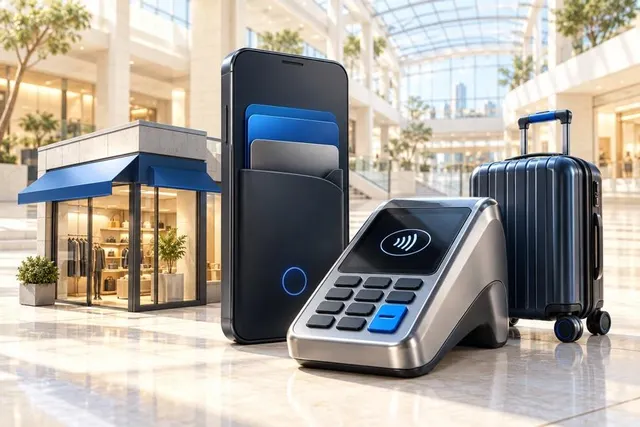

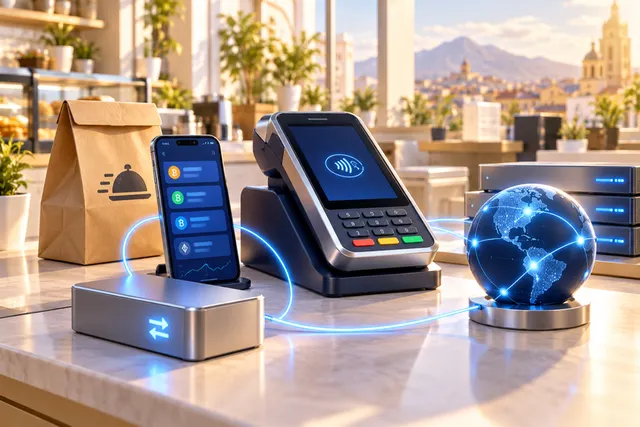
Four payment networks and infrastructure providers are putting stablecoin balances to work in payouts, business accounts and cards.
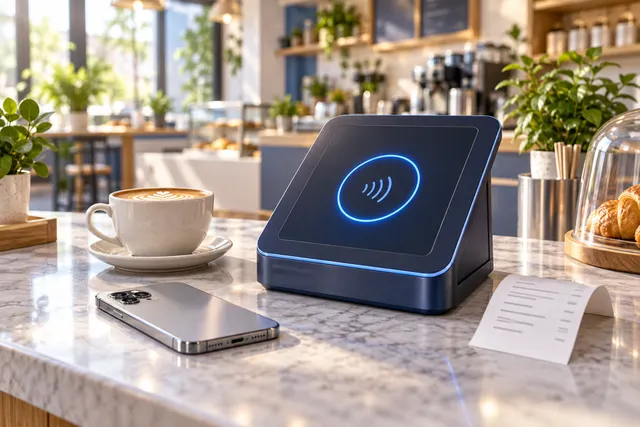
Bitcoin is being spent at Colorado counters while payment providers and Korean financial firms work on faster, simpler merchant checkout.
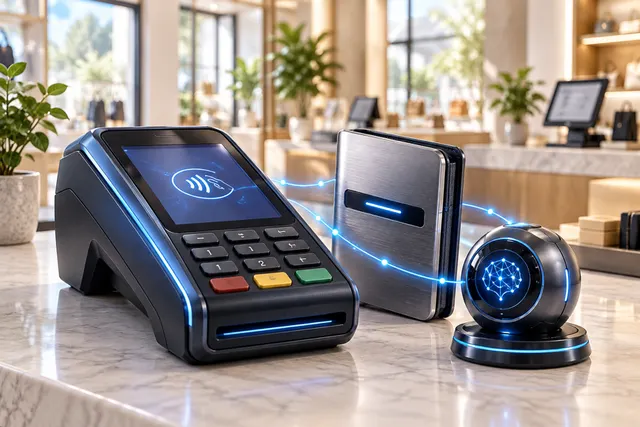
This week's payment launches move from cards and wallets to hotel checkout and AI-initiated transactionsu2014but several remain limited to pilots or selected users.
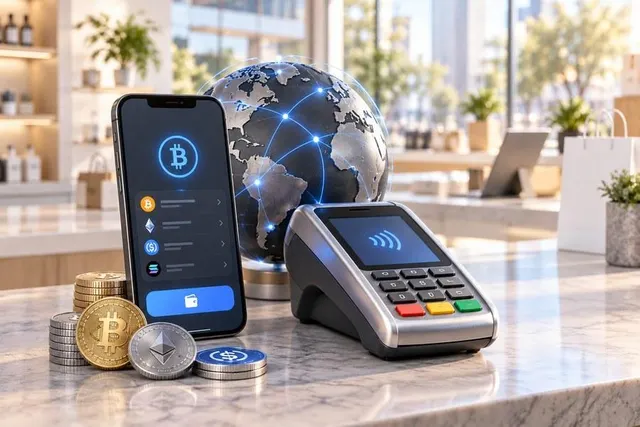
For much of its history, cryptocurrency has been discussed primarily as an investment. Bitcoin price movements, market cycles, exchange listings and speculation have dominated the conversation. Yet behind the market headlines, another use case has continued to develop: cryptocurrency as a practical way to move value online.

A new consumer app, two business-payment launches and a private AI billing tool put crypto closer to everyday money flows.


Crypto payments reached Japanese checkout counters, Argentine streaming subscriptions and family remittances to El Salvador this week.

Bitcoin traded at about $86,700 on October 2, 2026, roughly 31 percent below the record of $126,198 it set on October 6, 2025. Yet the number of people holding crypto kept climbing through the dip. Crypto.com's research team puts global owners at 774 million at the end of June 2026, up from 741 million six months earlier. More of them are now asking a practical question: what can this money actually buy, and is it sensible to spend it?

Aid agencies, banks and coffee shops are testing different paths to crypto use, while Visa and Chainalysis examine the demand and activity behind adoption.
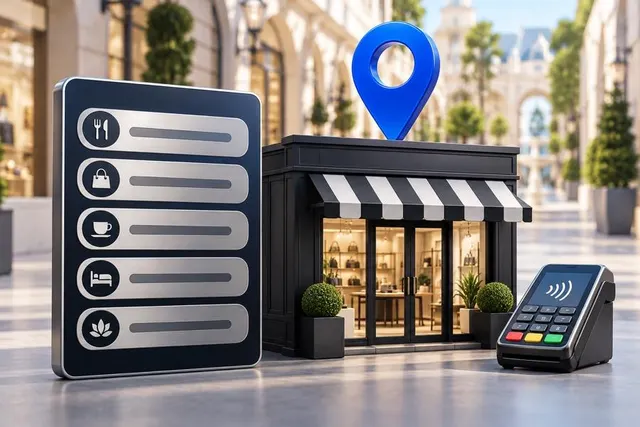
Finding online services that accept cryptocurrency used to require a surprising amount of research. A user might hear that a site accepted Bitcoin, only to discover outdated information or unclear payment instructions. Today, crypto payments are becoming easier to identify across different parts of the digital economy, including online gaming. Casino and sportsbook sites such as Prospectpipeline are part of this shift, giving users access to cryptocurrency payment options alongside more traditional methods. As crypto adoption grows, clear information about supported currencies, deposits, and withdrawals is becoming increasingly important.

For anyone who already lives inside the crypto economy, paying for infrastructure with a credit card feels like a step backwards. You hold Bitcoin, Monero, USDT and a dozen other assets, yet the moment you need a server to run a node, host a wallet backend, or spin up a trading bot, most providers still push you toward a bank card and a full identity check. The good news is that the market has quietly caught up: there is now a healthy field of hosting companies that take coins directly and ask for very little in return.

Banks, car dealers, payment firms and central banks are putting crypto and digital-currency payments into customer-facing channels.

Payment apps, banking platforms and wallets are adding the routes that move an onchain balance into a usable payment.

If you own Dogecoin, you're in good company. Around 30.6% of US crypto holders own DOGE, a share that runs ahead of both Bitcoin and Ether ownership among that group. So a lot of us are holding it. Far fewer of us have ever spent it, even as the price of dogecoin draws steady attention.

Banks, card networks and merchants are turning crypto access into accounts, checkout flows, payment cards and wallet features that fit familiar customer journeys.

Banks, retailers and payment networks are adding the accounts, checkout rails and controls that make crypto and AI commerce usable in daily transactions.

Money transfers, community banking, merchant checkout and self-custody wallets gained new payment tools this week.
A coffee shop in Ljubljana doesn't care about your thesis on digital gold. It cares whether the payment clears before the next customer walks in. That's the entire test. Not market cap, not Twitter sentiment, not whichever coin your portfolio happens to be overweight in this month.
Crypto adoption is measured by practical use, not speculation alone. This section follows how Bitcoin, stablecoins and other digital assets are used for payments, commerce, remittances, payroll, travel, online services and cross-border settlement. Readers searching for crypto adoption news can track which companies, industries and countries are integrating cryptocurrency into everyday business and consumer activity.
Cryptwerk reports on merchants accepting cryptocurrency, crypto payment gateways, checkout integrations, digital wallets and point-of-sale tools. Coverage examines both direct on-chain payments and services that convert crypto into local currency for merchants. Explore the Bitcoin news section for BTC and Lightning Network developments, or browse the wider Cryptwerk directory to discover businesses and services that support digital asset payments.
Real-world adoption also includes stablecoin settlement, international transfers, business-to-business payments, tokenized assets and institutional blockchain projects. The category follows regulatory changes, infrastructure improvements and the barriers that can limit wider adoption, including usability, volatility, fees and compliance. Visit stablecoin news for focused coverage of USDT, USDC, reserves, payment use cases and digital currency regulation.
