
 English
 Français
 Español
 Português
 BTC
 ETH
 LTC
 BCH
 USDT
 DOGE
 DASH
 USDC
 XRP
 XMR
 TRX
 BNB
 SHIB
 SOL
 DAI
 ZEC
 ETC
 POL
 ADA
 XLM
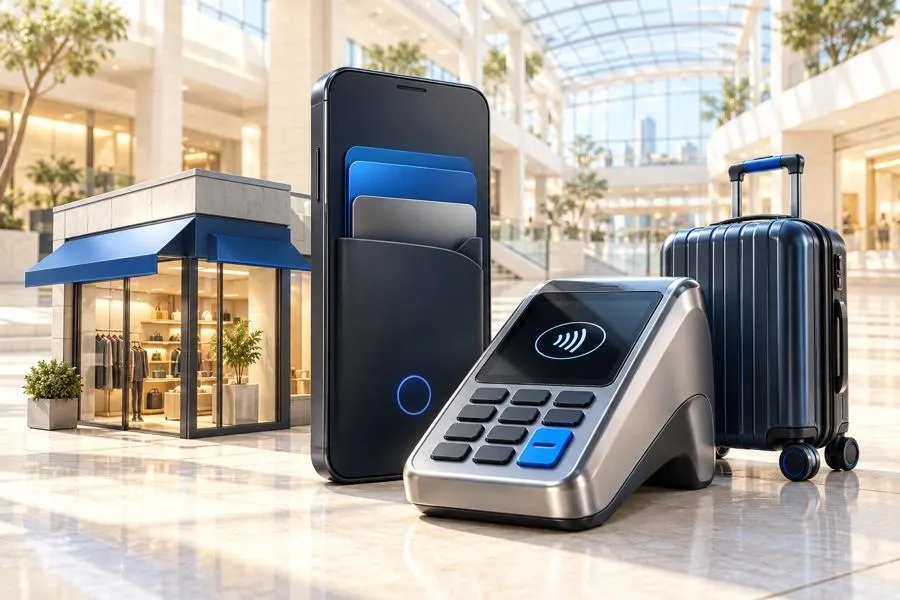
Crypto spending in 2026 is less about novelty purchases and more about services that already live online.
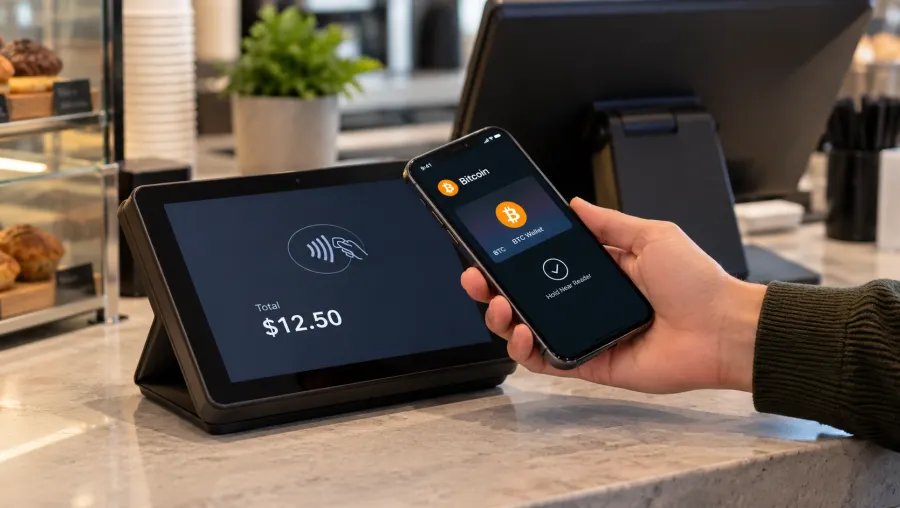
Cryptwerk currently lists 8,183 merchants across 144 countries. Shops and markets are the largest group with 2,239 listings. Internet services account for 1,316, while travel and rentals add 396. The directory is not a complete census of global commerce, but it gives a useful picture of where direct crypto payments are showing up.
The same shift is visible in online entertainment, where vippari sits within the wider move toward account-based digital payments. Whether crypto is actually available still depends on the platform, region and supported payment methods.
A January 2026 survey from the National Cryptocurrency Association and PayPal found that 39% of U.S. merchants accept crypto. Among large enterprises, the figure reached 50%. For merchants already accepting it, crypto represented 26% of total sales on average.
Bitcoin still reaches the most merchants
Bitcoin remains the broadest payment option in the Cryptwerk directory.
Coin | Merchants |
BTC | 7,179 |
ETH | 4,242 |
USDT | 2,352 |
USDC | 1,614 |
Bitcoin’s lead also holds across individual categories. Cryptwerk lists 2,055 shops and markets, 1,228 internet-service listings and 1,083 local-service businesses accepting BTC.
Stablecoins serve a different purpose. Bitcoin wins on reach, while USDT and USDC reduce exposure to price swings between checkout and settlement.
Internet services remain one of the clearest use cases
Cryptwerk lists 1,316 internet-service providers accepting cryptocurrency. The category includes:
- 580 hosting companies;
- 189 domain services;
- 115 cloud providers;
- 95 VPN businesses.
These products are already bought and delivered online, often across borders. Crypto fits that model without requiring a physical checkout terminal.
Stablecoins have a visible foothold here. Among hosting providers, 234 accept USDT. USDC appears across 232 hosting listings.
For recurring bills, that can be more practical than accepting BTC or ETH and carrying short-term price risk before settlement.

Travel has moved beyond the novelty stage
Travel and rentals account for 396 Cryptwerk listings.
That includes 152 hotels and accommodation providers, 44 hotel-booking services, 43 travel agencies and 37 car or bike rental businesses.
The NCA-PayPal survey points in the same direction. It found 81% crypto acceptance among hospitality and travel respondents, the highest rate among the sectors covered.
Crypto is not replacing cards here. It is becoming another payment route in a sector already used to international bookings and currency conversion.
Gambling is visible, but still a smaller category
Cryptwerk currently lists 376 crypto gambling sites.
Within Bitcoin’s directory, 331 listings fall under gambling. That includes 290 casino listings and 126 sports-betting listings, with some operators appearing in more than one subtype. Ethereum has 197 gambling listings, while USDC has 76.
The attraction is straightforward. Deposits and withdrawals already happen digitally, so crypto can fit the existing workflow. Available coins, payment networks and transaction conditions can still differ between platforms.
Mobile access does not change that. Someone using vippari apk would still need to check which payment methods and networks are supported before funding an account.
Gambling is large enough to register in adoption data, but it remains well behind shops and internet services in raw merchant count.
Stablecoins are becoming harder to ignore
USDT appears at 2,352 merchants and USDC at 1,614. Both remain behind Bitcoin’s 7,179, but their appeal is different.
For subscriptions or services priced in dollars, stablecoins reduce the gap between the quoted amount and the value received.
Merchant demand also appears to be strengthening. In the NCA-PayPal survey, 72% of crypto-accepting merchants said crypto sales had increased over the previous year. Another 88% of all respondents said customers had asked about paying with crypto.
Spending is broadening rather than becoming universal
The more useful 2026 signal is the spread across ordinary categories.
Retail has the largest directory footprint. Hosting remains one of the clearest digital uses. Travel has become established enough to stand on its own, while gambling forms a smaller but visible segment.
Bitcoin still leads on merchant reach. Stablecoins are filling a different role. The practical question is increasingly not whether crypto can be spent, but which asset a merchant is prepared to accept.
