
 English
 Español
 Français
 Português
 BTC
 ETH
 LTC
 BCH
 USDT
 DOGE
 DASH
 USDC
 XRP
 XMR
 TRX
 BNB
 SHIB
 SOL
 DAI
 ZEC
 ETC
 POL
 ADA
 XLM
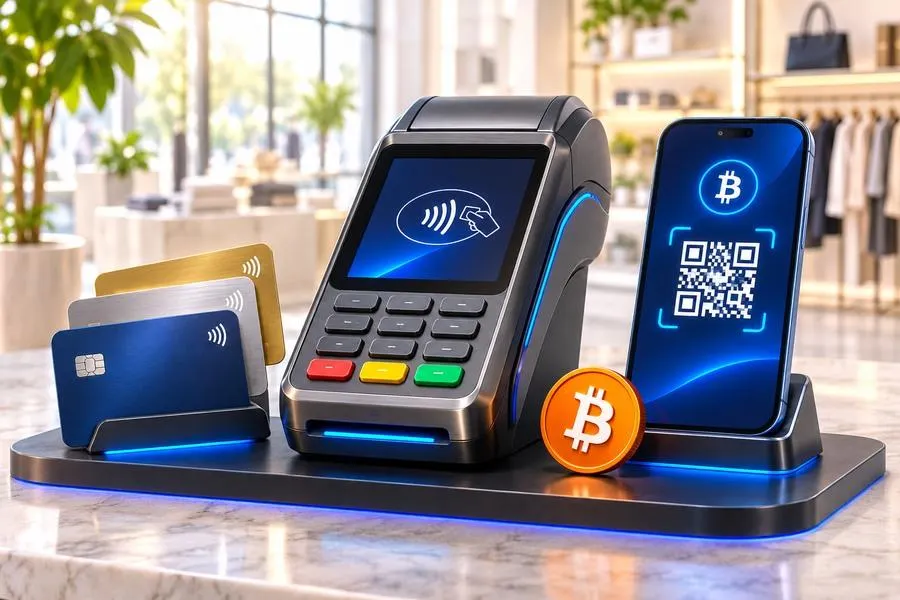
For a mid-sized online retailer in Austin, card processing fees once consumed nearly three percent of every sale, even before chargebacks were factored in. These expenses were simply accepted as part of doing business. Today, the retailer offers Bitcoin and USDT at checkout, with approximately one in eight orders paid through cryptocurrency. The online casino industry has faced similar payment challenges, as traditional banking restrictions and declined card transactions have encouraged operators to explore cryptocurrency as an alternative. This shift is particularly visible among the best bitcoin casinos, where players often value faster deposits and withdrawals that do not always depend on lengthy bank processing times. Casinos adopted crypto early because card issuers frequently decline gambling transactions, creating demand for alternative payment methods. Their experience offers a useful example for merchants considering the same approach.
Where Traditional Rails Still Win
Cards and bank transfers remain essential to modern commerce, and their established advantages are difficult to overlook. Customers trust them. Buyer protection is built into the system, disputes follow a clear process, and accounting software has spent decades adapting to conventional payment data. Businesses serving older consumers or operating subscription services often find that customers prefer familiar card payments over newer alternatives.
Consumers also value the financial protection these methods provide. A fraudulent card charge can usually be reversed, while a mistaken cryptocurrency transfer is generally irreversible. For businesses selling physical goods with high return rates, that reversibility has advantages and disadvantages. It protects shoppers but can also create financial and administrative challenges for merchants.
What Crypto Does Differently
The biggest advantages are cost and speed. A stablecoin transfer on a low-fee network can settle in seconds for just a few cents, regardless of whether the buyer is in Lisbon or Lagos. By comparison, an international bank transfer may take two or three business days and involve additional charges from multiple financial institutions.
Chargebacks represent another important difference. Because cryptocurrency transactions are generally final, merchants in high-risk categories can reduce losses associated with payment disputes. Travel agencies, digital goods sellers, and freelancers working with international clients are among the businesses exploring these alternatives. Directories such as Cryptwerk illustrate the growing range of cryptocurrency-friendly businesses, including hosting providers, VPN services, hotels, and local cafes.

Accessibility is another consideration. According to World Bank estimates, approximately 1.4 billion adults worldwide were unbanked in 2021, yet some can still access digital wallets through mobile devices. Cryptocurrency payments may provide additional transaction options for individuals with limited access to traditional banking services.
The Part Nobody Likes Talking About
Volatility remains a major concern. If a customer pays in Bitcoin on Monday and its value drops eight percent by Friday, the merchant may suffer a substantial loss. Businesses often manage this risk through payment processors that automatically convert cryptocurrency into dollars or by accepting stablecoins. However, conversion fees can reduce potential savings.
Tax obligations add complexity. In the United States, the IRS generally treats cryptocurrency as property, so payments and conversions may trigger reportable tax events. Small businesses without reliable accounting systems may struggle with these requirements. Regulatory compliance also matters, particularly applicable anti-money-laundering obligations, regardless of whether transactions use traditional banking or cryptocurrency networks.
How Regulators Are Reading the Room
Central banks are paying increasing attention to digital payment technologies, examining both their potential advantages and associated risks. The Federal Reserve's research on digital transformation in payments reflects broader institutional efforts to understand how technological developments could improve settlement infrastructure while maintaining essential consumer protections.
Instant payment systems such as FedNow demonstrate how traditional financial infrastructure is also evolving. By supporting faster transfers through regulated banking channels, these systems are gradually narrowing the speed advantage that once distinguished cryptocurrency payments from conventional alternatives.
A Practical Way to Decide
Businesses can offer cryptocurrency alongside traditional payment methods without replacing existing systems. Using a processor that handles conversions and reporting allows merchants to assess customer demand while limiting financial risks.
The Austin retailer adopted crypto to reduce fees and simplify international transactions. For other businesses, lower costs and greater payment flexibility may provide similar benefits.
