
 English
 Español
 Français
 Português
 BTC
 ETH
 LTC
 BCH
 USDT
 DOGE
 DASH
 USDC
 XRP
 XMR
 TRX
 BNB
 SHIB
 SOL
 DAI
 ZEC
 ETC
 POL
 ADA
 XLM
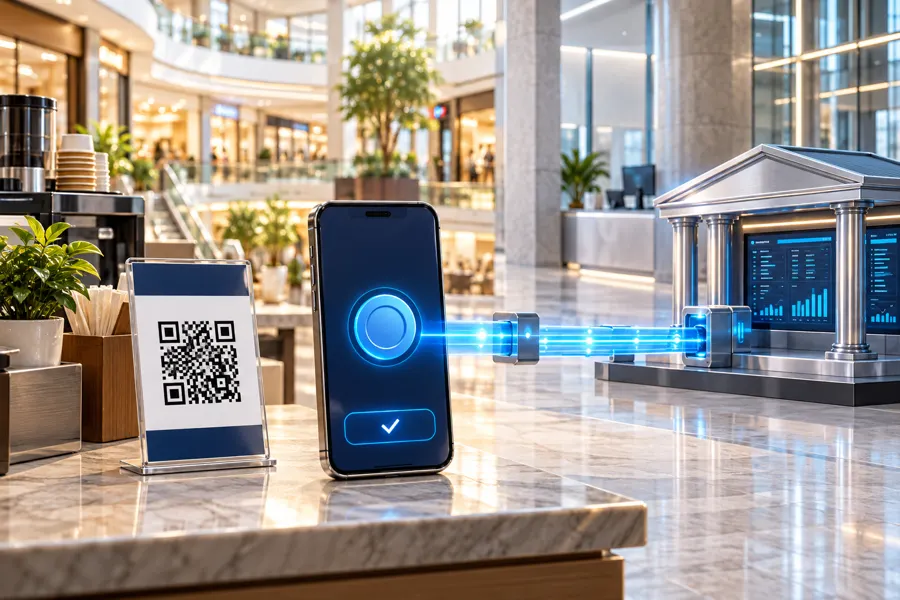
A Colombian bank-settlement pilot and a Thai tourist wallet take different routes from digital dollars to existing payment systems.
The latest payment announcements cover two points in the same transaction chain. ACI Worldwide and Circle are testing how a bank could settle with USDC while continuing to use its established payment software. In Thailand, WORPT has opened a wallet that converts tourists' stablecoins into baht before a purchase reaches a merchant's QR terminal. The distinction matters for anyone assessing adoption: the Colombian work is an institutional pilot, while the Thai app says its conversion-and-payment service is available now. Neither announcement means that every bank or shop directly accepts a stablecoin. One tests a new settlement method behind familiar rails; the other gives visitors a way to use existing local checkout infrastructure. The practical question in both cases is how much of the merchant or bank's current workflow needs to change.
ACI Worldwide and Circle Begin a Colombian Pilot to Fit USDC Settlement Into Bank Payment Operations

ACI Worldwide and Circle announced a Colombian pilot on October 27 to test USDC settlement through ACI Connetic, ACI's payment-orchestration platform. The companies are demonstrating how a financial institution could add a digital-dollar settlement option to existing bank payment operations. They have not announced a countrywide live rollout or named a bank already settling production transactions through the arrangement.
In its official announcement, ACI says Connetic brings traditional payment types, cards and digital assets into one operating environment. The Colombian test focuses on whether the institution can route settlement alongside existing payment rails and governance processes. It is an infrastructure exercise, not a new consumer checkout product.
For payment providers, the attraction is that a bank could evaluate USDC without replacing the software that handles other transactions. The test still has to establish how the token fits treasury, compliance and settlement procedures in practice. Merchants should not interpret the pilot as a new payment method available at their tills today.
WORPT Opens Thai QR Payments for Tourists After Converting USDT and USDC Into Baht
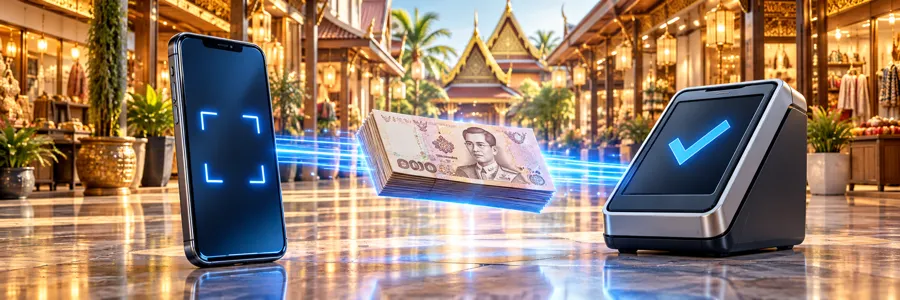
WORPT says its app is now available to international visitors in Thailand under the Tourist DigiPay regulatory sandbox. A traveler can deposit supported USDT or USDC, convert it into Thai baht and pay for goods or services through Thai QR PromptPay. The merchant receives baht through the existing local payment system, not cryptocurrency.
The app was developed by Waan Exchange and Wipay. Their launch announcement says Waanx has approval to participate in the sandbox, while Wipay supplies the electronic-money side. The workflow includes identity checks, transaction monitoring and anti-money-laundering controls. Users should confirm the app's supported assets and current availability before relying on it for a trip.
WORPT also plans physical Visa prepaid cards in mid-November and virtual cards in early 2027; those are future products, not part of the QR service already described as available. For shops accepting cryptocurrency, the model is indirect: conversion happens before checkout, so the seller continues receiving local currency. That can make existing QR stands useful to crypto-funded visitors without asking each shop to manage a token wallet. Travelers looking for travel services accepting crypto still need to distinguish this converted-baht route from a merchant that accepts crypto directly.
