
 English
 Español
 Français
 Português
 BTC
 ETH
 LTC
 BCH
 USDT
 DOGE
 DASH
 USDC
 XRP
 XMR
 TRX
 BNB
 SHIB
 SOL
 DAI
 ZEC
 ETC
 POL
 ADA
 XLM

Finding a place to spend Monero can take more than a search for a payment logo. A directory can help users discover services, check the information available about them and follow a link to the merchant before deciding whether to make a purchase.
XMRList is an independent directory of businesses and services that accept or support Monero (XMR). It brings together merchant profiles, payment information, reviews and website checks. If you want to pay for hosting with XMR, for example, you can start with the hosting category and use the individual listings to narrow down which providers to check.
What the directory covers
The Monero Merchant Index counted 1,819 active listings across 103 countries in its snapshot for 17 November 2026. The directory spans shops, hosting providers, exchanges, wallets and community resources. Of the 1,819 listings, 1,073 (59%) had Monero support confirmed on the service’s own website. The larger number covers the Monero ecosystem as a whole. A wallet or exchange that supports XMR is a different kind of listing from a shop that lets you pay for an order with it.
The index also distinguishes what a service publishes about identity verification from what remains unknown. In the same snapshot, 563 listings published a policy of requiring no identity documents and 1,046 did not publish a policy. If the listing says the policy is undisclosed, check the merchant’s current terms before making a purchase. The index records the operator’s stated location, so use the checkout or shipping terms to check whether a business actually serves your country.
Source: XMRList Monero Merchant Index, snapshot 17 November 2026, CC BY 4.0.
What you can learn from a listing
A listing can show the service’s official website, stated identity verification policy, recorded Tor address and when its details were last checked. These fields answer different questions. A reachable website tells you the site responded at the last check. A recent review of the listing tells you when someone looked at the published details. Neither confirms that XMR is available for the specific product, country or order you have in mind.

XMRList explains how it assigns grades in its published grading methodology. It considers several signals, including confirmation of Monero support, the service’s published terms, editorial verification and reports from users. Listings that an editor tested firsthand carry a test date. Sponsorship can affect where a listing appears on the page. The grade is calculated separately under the same rules used for other listings.
How to check a merchant before paying
Start with what you want to buy. If you are looking for a month of hosting, check the listing for the provider and then open its official site. Go as far as the payment step for the exact plan you want. A provider can accept crypto through a payment processor while offering a different set of coins at checkout. Check that Monero appears for your order and review the purchase and refund terms before you send funds.
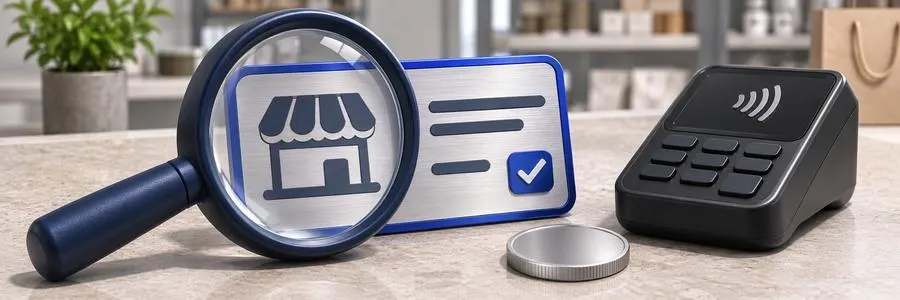
Take the payment information from the merchant’s current checkout or invoice. Compare the address and amount shown there with what your wallet displays before confirming. If the amount or destination changes unexpectedly, ask the merchant through its official support channel before paying. Keep the order confirmation and payment reference so you can identify the purchase if you need help later.
Reviews, warnings and corrections
Reviews are useful when they describe what happened after a customer placed an order. Look for details about delivery, refunds or how the merchant responded when something went wrong. Older reviews may predate a change of operator or payment provider. XMRList also accepts reports about incorrect information and suspected scams. Check whether the report describes an open issue or a finding the directory has already confirmed.
If you discover that a listing points to an old domain or that a merchant has removed XMR from checkout, you can report the discrepancy from the listing. Include the relevant merchant page so the editors can check it. Avoid sharing a wallet seed, login credentials or private order details in a public report.
Open data for the Monero community
XMRList publishes directory data under the Creative Commons Attribution 4.0 licence. The open data API provides a searchable list of services, and the Merchant Index has dated snapshots and CSV files. A researcher comparing categories can cite a particular snapshot instead of a live total that will change. A developer can use listing data to help users find candidates, then point them to the merchant for up-to-date terms.
For someone who wants to spend Monero, the directory can save time at the discovery stage. Use the listing to find a candidate, then use the merchant’s own checkout and terms to decide whether to pay.
