 English
 Français
 BTC
 ETH
 LTC
 BCH
 USDT
 DOGE
 DASH
 USDC
 XRP
 XMR
 TRX
 BNB
 SHIB
 SOL
 DAI
 ZEC
 ETC
 POL
 ADA
 XLM

SEC Proposes Crypto Custody Rules as the UK Opens Licensing and ESMA Targets Non-MiCA Stablecoins
Regulators in the US, UK and Europe are defining who may hold digital assets, offer crypto services and connect stablecoins to customers.
Oct 3, 2026

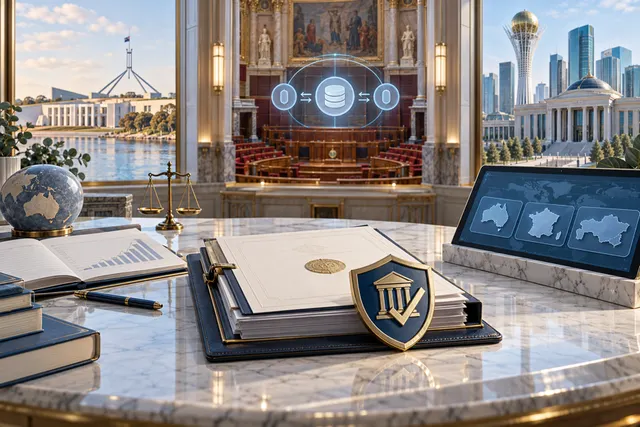
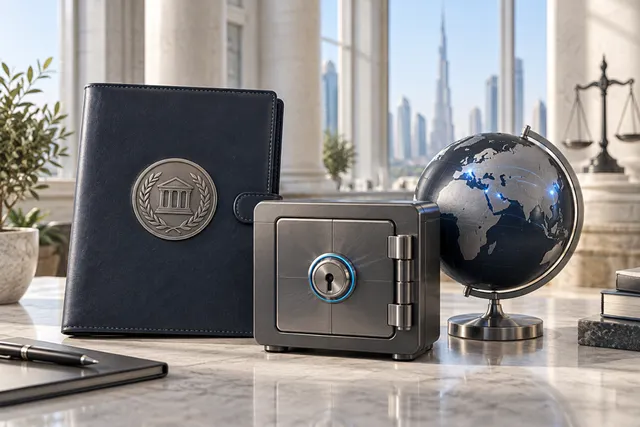

Regulators in the US, UK and Europe are defining who may hold digital assets, offer crypto services and connect stablecoins to customers.
Binance, banks, regulators and Coinbase made separate moves this week that affect how stablecoins reach users, win approval and pay for online services.
Argentina, the United States, Bolivia and the UK are turning crypto-policy plans into reporting deadlines, software rules and authorisation processes.
Australia, the Philippines, Singapore, the UK and the US moved crypto licensing and payment-rule projects from broad policy toward concrete operating requirements.

Wallet compliance, stablecoin rules and tokenized securities are moving closer to the payment and financial workflows they are meant to support.

The Pokeriomokykla editorial team, writing as observers of the online-poker community, notes a consequence that goes largely unreported in the broader coverage of Russia's new digital asset legislation.

Four jurisdictions move crypto regulation toward licensing, custody and stablecoin supervision, while Kenya lowers its proposed issuer capital threshold.

Russia moved a crypto-market bill forward, U.S. rulemaking hit delays, and Brazil, Illinois and Vietnam took new steps on digital-asset oversight.
According to the 2026 Chainalysis Crypto Crime Report, illicit cryptocurrency activity continues to represent well below 1% of total on-chain transaction volume, yet regulators are tightening oversight of industries where digital assets intersect with consumer protection, including online gambling.
Crypto rules are moving from policy debate to payment infrastructure, shaping how stablecoins, wallets, exchanges and merchants can support trusted digital transactions.
