
 English
 Français
 BTC
BTC
 ETH
ETH
 LTC
LTC
 BCH
BCH
 USDT
USDT
 DOGE
DOGE
 DASH
DASH
 USDC
USDC
 XRP
XRP
 XMR
XMR
 TRX
TRX
 BNB
BNB
 SHIB
SHIB
 SOL
SOL
 DAI
DAI
 ZEC
ZEC
 ETC
ETC
 POL
POL
 ADA
ADA
 XLM
XLM

According to the 2026 Chainalysis Crypto Crime Report, illicit cryptocurrency activity continues to represent well below 1% of total on-chain transaction volume, yet regulators are tightening oversight of industries where digital assets intersect with consumer protection, including online gambling.
Rather than focusing solely on cryptocurrencies themselves, lawmakers are increasingly examining the entire operational ecosystem behind crypto gaming. That shift is likely to redefine how crypto slot platforms are built, licensed, and trusted over the coming years.
For operators, developers, and blockchain enthusiasts, the conversation has moved beyond whether players can deposit Bitcoin or stablecoins. The real question is how evolving licensing frameworks will influence game distribution, compliance requirements, wallet integration, and long-term platform sustainability.

Regulation Is No Longer Just About Crypto Payments
Early discussions around crypto gambling largely focused on payment methods. Today, regulators are looking much deeper into how gaming platforms operate. Compliance increasingly extends to customer verification, anti-money laundering controls, smart contract transparency, and the fairness of gaming software.
Why Slot Games Are Receiving Greater Regulatory Attention
Slot games represent one of the largest segments of the online gambling market, making them a natural focus for regulators. Unlike payment systems, slot ecosystems involve several stakeholders, including game studios, platform operators, and certification bodies, all of which play a role in ensuring fairness and player protection. As a result, regulators are paying closer attention to how slot titles are tested, distributed, and monitored throughout their lifecycle.
Compliance Is Becoming Part of the Player Experience
This broader perspective also changes how players assess gaming platforms. When exploring the best slots online, game variety and software providers remain important, but they are no longer the only factors worth considering. Licensing standards increasingly influence payout transparency, certified RNG testing, dispute resolution procedures, and responsible gambling safeguards. In other words, regulatory compliance has become another practical indicator of whether a platform offers a trustworthy gaming environment, not just a legal requirement operating behind the scenes.
From Payment Infrastructure to Entire Gaming Ecosystems
The biggest regulatory shift is that compliance is no longer limited to payment processing. Authorities are increasingly evaluating every layer of the crypto gaming ecosystem, making compliance a shared responsibility across the entire value chain.
Wallets Are Becoming Part of Compliance
Anonymous crypto wallets once represented one of blockchain gaming's biggest attractions. However, many jurisdictions are now encouraging operators to implement stronger Know Your Customer (KYC) procedures and transaction monitoring without eliminating the efficiency of blockchain payments.
Rather than banning cryptocurrency, regulators increasingly seek to identify risk while preserving innovation.
Game Providers Face Higher Expectations
Slot developers may also encounter greater scrutiny. Independent Random Number Generator (RNG) certification, transparent payout calculations, and provably fair mechanisms are likely to become more significant competitive advantages.
For game studios, regulatory readiness is evolving into part of product development rather than an afterthought.
Licensing Is Becoming More Sophisticated
Several regulatory frameworks illustrate this transition.
| Jurisdiction | Current Regulatory Focus |
|---|---|
| European Union | Crypto asset regulation alongside AML compliance under MiCA |
| Malta | Player protection, operational transparency and responsible gaming |
| Curaçao | Stronger licensing oversight and operator accountability |
| United Kingdom | Consumer safeguards and financial crime prevention |
Although these frameworks differ, they share a common objective: improving transparency without preventing legitimate blockchain innovation.
Why Infrastructure Matters More Than Ever
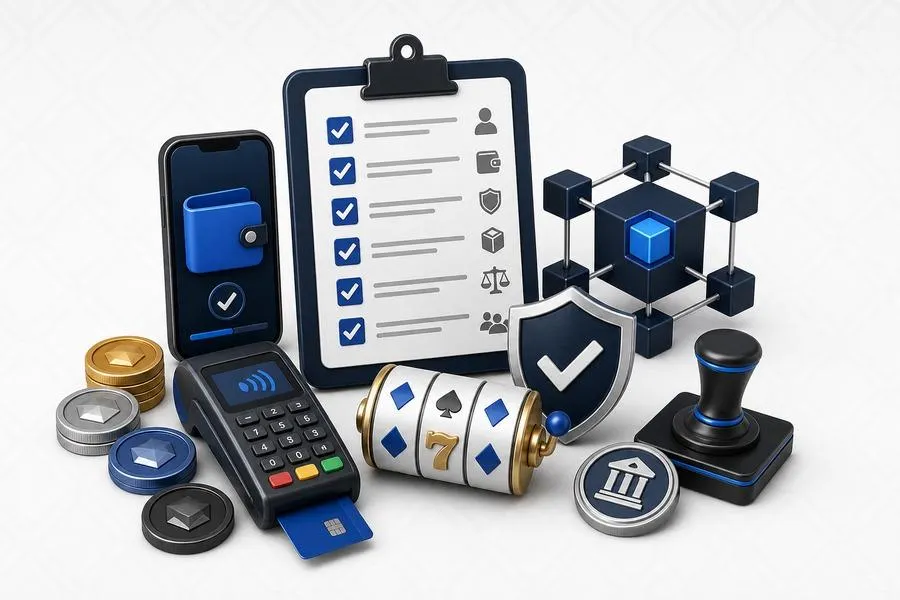
A common misconception is that regulation mainly affects casino operators. In reality, almost every participant within the blockchain gaming ecosystem is becoming involved.
Wallet providers must strengthen transaction monitoring.
Payment processors need clearer compliance procedures.
Game studios may require additional certification.
Operators increasingly depend on auditable infrastructure.
Players benefit from stronger consumer protections.
This interconnected model reflects a broader trend already visible across other blockchain industries, where regulated infrastructure has become essential for wider adoption.
Preparing for the Next Phase of Crypto Gaming
The most resilient operators are unlikely to wait for regulations to become mandatory. Several practical measures already make strategic sense:
review licensing requirements across target markets;
strengthen AML and KYC procedures without creating unnecessary user friction;
work with independently audited game providers;
improve transparency around wallet transactions and payout verification;
document governance and risk management processes early.
These steps do not simply reduce regulatory exposure—they also contribute to long-term player confidence.
Regulation May Ultimately Strengthen Blockchain Gaming
While additional oversight is often viewed as a barrier, history suggests that clearer rules frequently encourage broader adoption. Financial technology, digital payments, and cryptocurrency exchanges all experienced significant growth after more consistent regulatory frameworks emerged.
The same pattern may develop within blockchain gaming. Platforms that combine innovation with transparency are likely to be better positioned than those relying primarily on regulatory uncertainty.
As organizations such as the American Gaming Association and European policymakers continue refining digital asset governance, compliance is becoming less about restricting crypto gaming and more about establishing sustainable standards that benefit operators and players alike.
For the crypto slot ecosystem, the next competitive advantage may no longer be faster payments or anonymous transactions—it may simply be demonstrating that blockchain technology and responsible regulation can successfully evolve together.
