 English
 Español
 Français
 Português
 BTC
 ETH
 LTC
 BCH
 USDT
 DOGE
 DASH
 USDC
 XRP
 XMR
 TRX
 BNB
 SHIB
 SOL
 DAI
 ZEC
 ETC
 POL
 ADA
 XLM
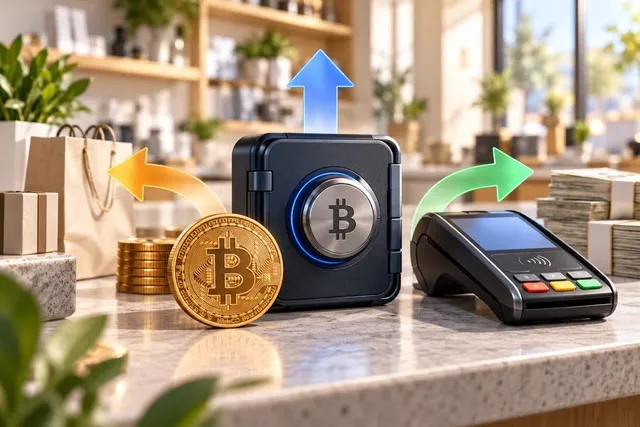
Bitcoin at $81K: Spend It, Hold It, or Cash It Out Cleanly?
Bitcoin is trading around $81,700 on October 22, 2026. A year ago it was roughly $25,900 higher. That gap changes how every holder thinks about the next purchase.
Oct 27, 2026

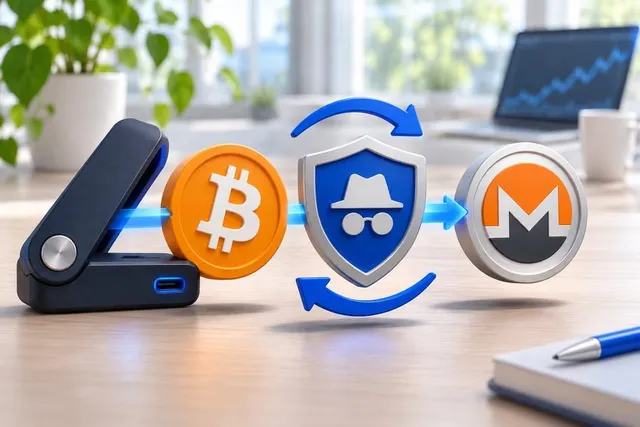
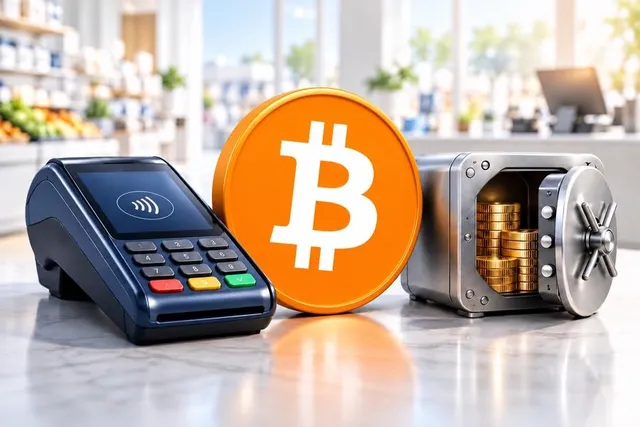
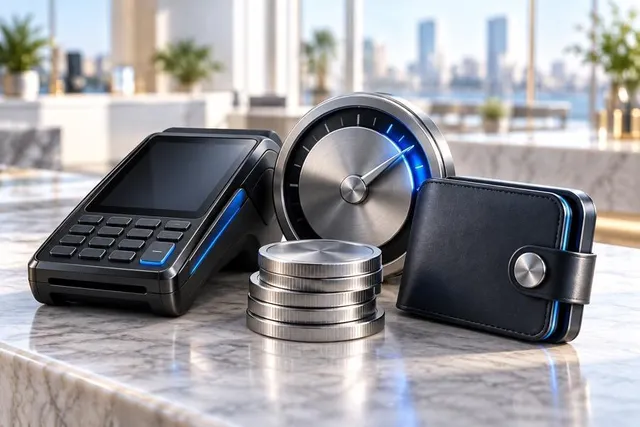
Bitcoin is trading around $81,700 on October 22, 2026. A year ago it was roughly $25,900 higher. That gap changes how every holder thinks about the next purchase.
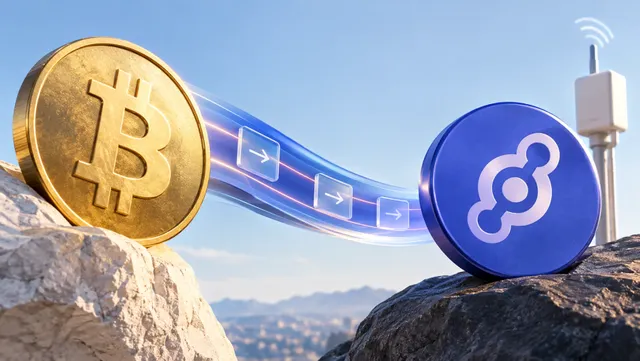
Bitcoin and HNT sit on different blockchains, so a BTC to HNT exchange is never a single transfer. The bitcoin is sold on its own network, HNT is delivered on Solana, and whoever handles the trade in between takes a cut. Those three parts are where the fees and the waiting come from. An instant swap, a centralized exchange and a Solana DEX divide them up differently, and the cheapest choice for $50 is rarely the cheapest for $5,000.

Today, technology has evolved significantly, bringing many innovative solutions that could revolutionize the digital landscape. The metaverse is an emerging area of focus for many developers, who are trying to understand what this space offers. The metaverse is also explored by crypto projects, especially since they are built on blockchain technology , which eliminates intermediaries and puts power in users' hands. Blockchain technology has the potential to deliver unique experiences to users worldwide, and meme coins cannot afford to miss this trend.
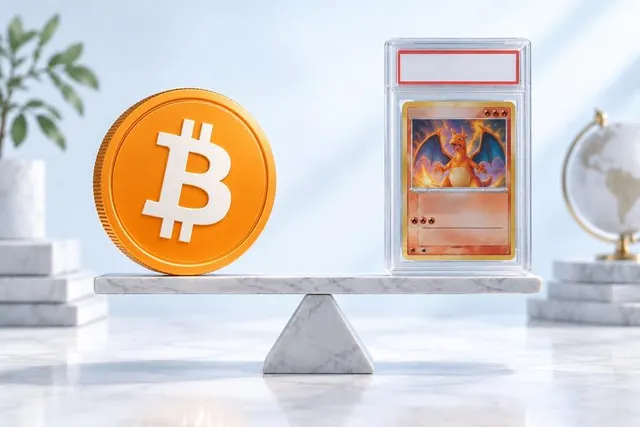
Weighing digital scarcity against physical nostalgia sounds like a strange exercise, but the last five years make it worthwhile. Bitcoin posted solid gains, though the ride was anything but smooth. Premium Pokémon cards, meanwhile, just kept climbing with a quiet consistency that surprises people. Put the two side by side and you start to see how each rewards patience, conviction, and a strong stomach.
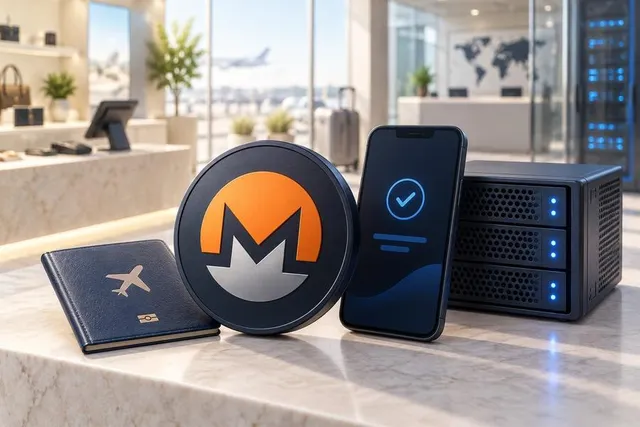
Ask most people what Monero is for and they will describe a technology: ring signatures, stealth addresses, a blockchain that reveals nothing. Ask a Monero holder and, increasingly, they will describe a shopping list. In 2026 the private coin that exchanges keep delisting has quietly become one of the more usable currencies in crypto, and the range of things it buys has widened well beyond the VPN subscriptions that defined its early years.

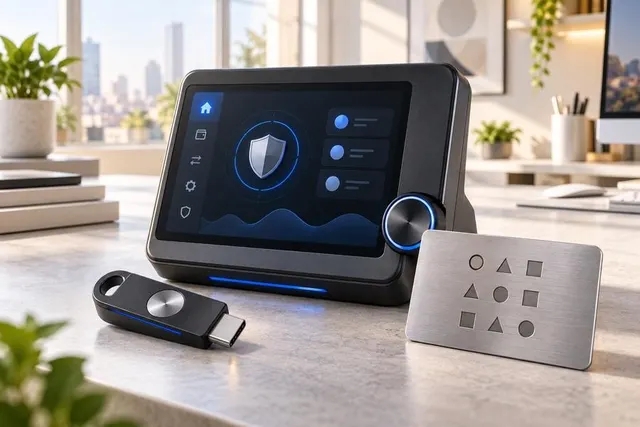
A search for the best desktop wallets should begin with the holderu2019s security model, not a universal ranking. A desktop wallet is software on a computer used to manage addresses, transactions andu2014in many self-custody designsu2014private-key access. The right choice depends on supported assets, the operating system, backup and recovery process, update habits and how much value the user intends to protect.
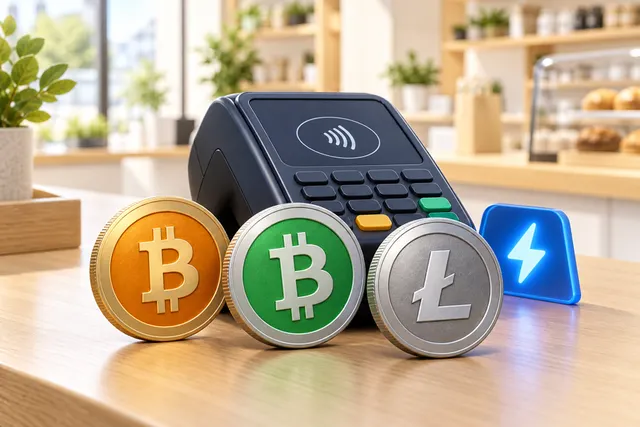
A coffee shop in Ljubljana doesn't care about your thesis on digital gold. It cares whether the payment clears before the next customer walks in. That's the entire test. Not market cap, not Twitter sentiment, not whichever coin your portfolio happens to be overweight in this month.

Paying with cryptocurrency can appear almost instantaneous. A customer scans a QR code, confirms an amount in a wallet and sees a success message. Behind that simple interface, however, several technical and financial processes must occur before the merchant can treat the payment as final.
The challenging global economic situation is causing more people to worry about their retirement. While the previous generation benefited from different financial policies, the future is uncertain, and younger people are anxious about the support they might receive for their contributions.

Cryptocurrency has moved well beyond being an investment product. Bitcoin, Ethereum, stablecoins and other digital assets are increasingly being used for ordinary online transactions, including payments on gaming platforms.

Summer is the season for changing plans, crossing borders and collecting new experiences. It is also a useful time to test how far practical cryptocurrency adoption has reached. A trip can involve much more than one flight and one hotel: tickets, accommodation, airport transfers, mobile data, rental vehicles, tours and insurance may all need to work together.
A block explorer can display a green “success” badge while a merchant dashboard still shows an unpaid invoice. Both records may be accurate. The blockchain confirms that assets moved between addresses; the merchant’s system must still identify the customer, network, token, amount, and order connected with that transfer.
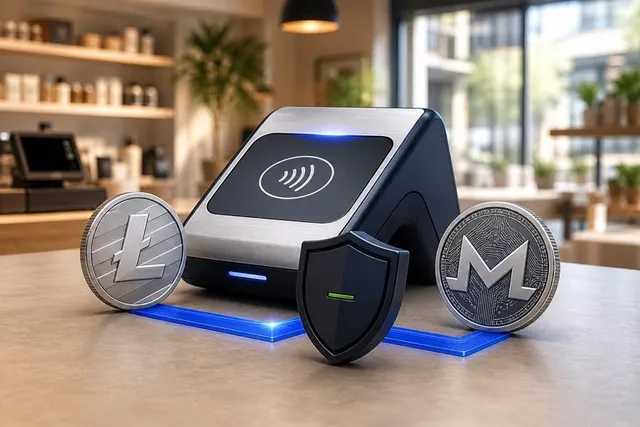
Litecoin and Monero approach crypto payments from very different technical starting points. LTC has broad payment support and established liquidity, while XMR makes transaction privacy part of the protocol itself. For users and merchants in 2026, the choice comes down to how much payment access and privacy each use case requires.

Ever wonder what happens the moment someone taps "deposit" on a crypto-friendly gaming site? Behind that single click sits a surprisingly deep chain of technology, and much of it starts with the same tools already listed across a crypto spending directory.
A blocked bank account or frozen crypto balance can stop an otherwise healthy business within hours. Payroll may fail, suppliers may remain unpaid, customer withdrawals may be delayed, and management may receive only a generic notice referring to compliance, security or an internal review. The absence of a detailed explanation often makes the situation feel arbitrary. In reality, most restrictions arise from a combination of contractual rights, anti-money laundering controls, sanctions screening, fraud prevention, transaction monitoring and regulatory reporting duties.

Cryptocurrency has become one of the fastest and most convenient ways to pay online. While many retailers still don't accept digital currencies directly, there's a simple solution that lets you spend your crypto almost anywhere: gift cards.
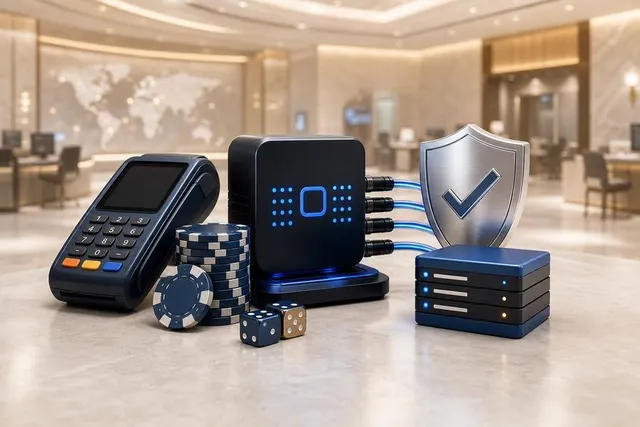
Few words create more frustration in an online casino account than "pending." The label may cover a legitimate compliance review, a delayed provider response, or a liquidity issue somewhere beyond the operator's direct control.
Explore cryptocurrency news covering altcoins, utility tokens, decentralized finance and emerging digital asset ecosystems. This category follows protocol updates, token launches, network migrations, new payment integrations and the businesses building products around cryptocurrencies. It provides a broader view than single-asset coverage and helps readers compare how different networks are developing practical utility.
Cryptwerk reports on decentralized applications, lending and exchange protocols, real-world asset tokenization, governance changes and infrastructure upgrades. Coverage also includes interoperability, smart contract security and tools that connect users with multiple blockchain networks. Visit the dedicated blockchain news section for deeper reporting on Web3 infrastructure, smart contracts and cross-chain technology.
Digital asset regulation, exchange access, custody and market infrastructure can determine whether a cryptocurrency reaches users beyond its original community. This section tracks those changes while emphasizing adoption, payments and product development instead of unsupported price predictions. For asset-specific coverage, explore Bitcoin news and stablecoin news, including USDT, USDC and digital payment developments.
