
 English
 Español
 Français
 Português
 BTC
 ETH
 LTC
 BCH
 USDT
 DOGE
 DASH
 USDC
 XRP
 XMR
 TRX
 BNB
 SHIB
 SOL
 DAI
 ZEC
 ETC
 POL
 ADA
 XLM
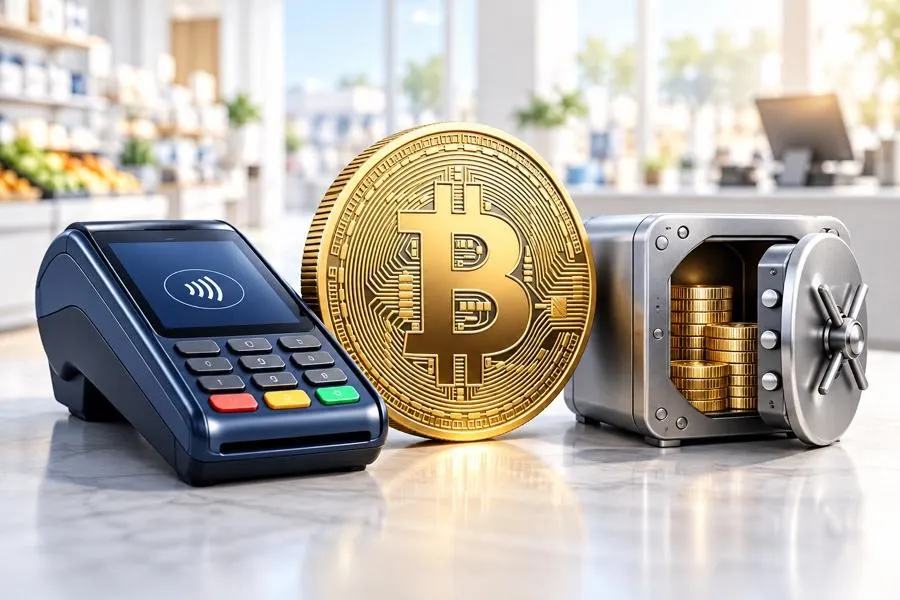
Bitcoin is the largest cryptocurrency in the world by a wide margin. It is far ahead of any of the altcoins in terms of market capitalization and remains a strong contender in the financial world. When it comes to institutional investors it is the only crypto that is pretty much universally trusted by all the companies looking to integrate digital holdings into their portfolios, and even the individual investors that are more accustomed to risks still want to have a considerable portion of theirs dedicated to Bitcoin in order to keep things as stable as possible.
At the moment, Bitcoin has a market value of almost $2 trillion, making it considerably larger than any other asset. When looking to buy Bitcoin investors must always do their research in order to avoid the possibility of buying the coins at much more elevated prices. The coin holds more than 50% of the total value of the crypto market right now, and while other coins such as Ethereum or Solana record strong performance too they are considerably smaller than Bitcoin. But what is the main purpose of Bitcoin nowadays? Does it remain a store of value or has it shifted to its original use case as outlined in its whitepaper: to complete daily transactions like a digital version of fiat?
Image source: https://unsplash.com/photos/gold-and-silver-round-coins-pCMWBd6UfYo
Can Bitcoin be used for shopping?
Bitcoin can be used for shopping and in fact many people use it that way. However, the acceptance isn’t universal as it depends on whether the merchant accepts crypto transactions or not. The easiest way to shop using crypto is from online vendors. A growing number of e-commerce stores accept Bitcoin directly or through processors such as BitPay. This is a payment service provider that lets individuals and businesses alike receive, send, and spend cryptocurrencies.
Solutions such as these enable merchants to accepts more than 100 different cryptocurrencies as payment and they also protect businesses from the volatility of crypto markets by converting crypto payments into fiat right away. Their transaction fees are typically much lower compared to those of traditional credit cards and their networks too, which is why so many prefer them when buying with crypto. Many retailers have begun integrating crypto into their e-commerce structures in order to meet demand and keep customers happy.
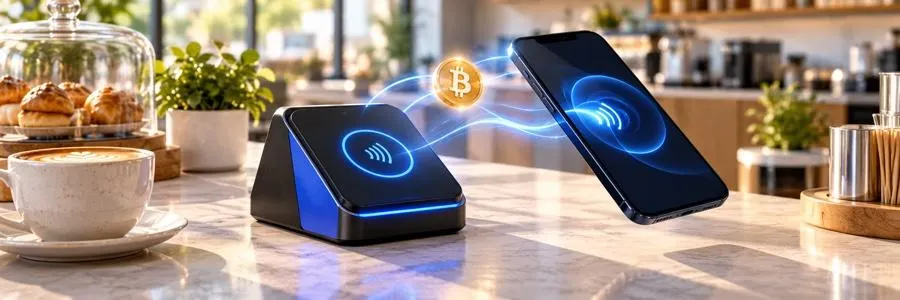
But what about brick-and-mortar locations? Many local cafes, restaurants, and shops from all around the world accept BTC as payment too. Many in-person payments make use of the Lightning Network, a second-layer protocol located on top of the Bitcoin blockchain and which is designed to enable quick and cheap micropayments. The final balances are recorded on the main blockchain only after the payment channel has closed. Shopping workarounds exist as well. One of them comes in the form of gift cards, with some platforms allowing you ton exchange BTC for prepaid gift cards that are usable at major grocery stores, clothing brands, or restaurants.
There are also cards (which are provided by businesses operating in the crypto world) that let you convert the Bitcoin into your local fiat automatically the moment you complete a purchase, meaning that you can shop with Bitcoin anywhere that accepts Visa and Mastercard.
Is daily use popular?
Although using Bitcoin in order to perform daily transactions is possible and even fairly easy to achieve, the truth is that it’s still not the preferred method of using the coin. Central bank reports, such as those of the US Federal Reserve and Swede’s Riksbank, indicate that only about 2% of shoppers use Bitcoin in order to buy goods and services. Network tracking also indicates that the majority of merchant retail spending remains low compared to standard credit cards, and that when people choose to use crypto for digital payments or merchant checkouts, they tend to rely on stablecoins instead because of their much more stable pricing.
The price volatility is one of the main reasons why users are still reluctant when it comes to carrying out transactions in cryptocurrencies. Despite the changes and the fact that BTC is now seen as much more stable (to the point that institutional investors have become interested in it as well), the market remains changeable and the fluctuations have led to the majority continuing to rely on Bitcoin as a store of value instead. It is difficult for shoppers to price everyday items through Bitcoin too, which is why many of the products that are purchased with BTC are the type of things that you wouldn’t buy on a regular basis, such as luxury goods.
Bitcoin has been shown and proven to gain value over the long term, resulting in people preferring to hold it as an investment instead of spending it since they drive more value from an asset that continues to grow. Right now, the price is below the all-time highs of October 2025, when BTC was almost $130,000, but performance remains strong. Investors are convinced that a new growth cycle is on its way as well, and that it could lead to Bitcoin surpassing its own records.
As a store of value
Bitcoin’s use as a store of value remains paramount, with experts saying that the hard-coded supply limit is one of the main reasons. After 21 million coins are minted and launched no more BTC will be created, a feature that ensures scarcity and protects Bitcoin from the perils of inflation and monetary debasement. Both of these are unfortunately common among fiat currencies, one of the reasons why many choose BTC in order to support value, especially in countries dealing with hyperinflation.
Investors treat Bitcoin as “digital gold” as well, using it as a long-term hedge against inflation and sovereign debt issues. Unlike gold though Bitcoin can be verified right away, securely stored on a ledger, and transferred globally through the means of a simple internet connection (no sky-high storage costs or heavy transportation needed). Since the blockchain runs on code there’s no relying on central banks or government policymakers, especially since they can alter supplies.
In conclusion, while Bitcoin isn’t used as regular fiat at the moment and being a store of value remains its main purpose, more and more people are interested in using it for purchases as well. As the market continues to evolve it isn’t impossible to think that this could change in the future. However, Bitcoin would have to become more stable for that to happen.
