
 English
 Français
 Español
 Português
 BTC
BTC
 ETH
ETH
 LTC
LTC
 BCH
BCH
 USDT
USDT
 DOGE
DOGE
 DASH
DASH
 USDC
USDC
 XRP
XRP
 XMR
XMR
 TRX
TRX
 BNB
BNB
 SHIB
SHIB
 SOL
SOL
 DAI
DAI
 ZEC
ZEC
 ETC
ETC
 POL
POL
 ADA
ADA
 XLM
XLM
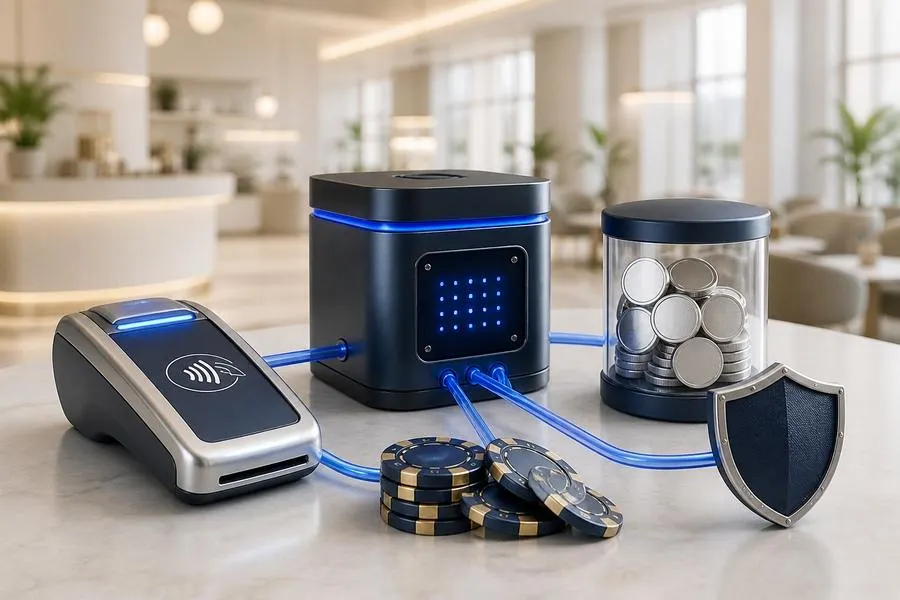
Ever wonder what happens the moment someone taps "deposit" on a crypto-friendly gaming site? Behind that single click sits a surprisingly deep chain of technology, and much of it starts with the same tools already listed across a crypto spending directory.
That is exactly where a well-organized bitcoin casino comparison site earns its keep: it ranks the venues that accept Bitcoin and other coins in 2026, sorts out which ones lean toward no-KYC access, checks how quickly winnings actually reach a wallet, and walks readers through picking the right coin for the job. For someone who already spends crypto on hosting, coffee, or a VPN, that kind of curated review feels less like a novelty and more like a natural extension of how they handle money every day.
From Trading Desk to Cashier Screen
Not long ago, the average crypto holder thought of digital assets mostly as something to buy, hold, and watch on a price tracker. That picture has widened. The same wallet that sends USDT to a merchant or tops up a crypto debit card can now fund an evening of light entertainment. The cashier screen on a gaming site is really just another checkout, styled a little differently.
What makes this shift interesting is how ordinary it has become. A person finishes a busy day, opens a wallet app, scans a QR code, and confirms a transaction. No card numbers, no bank forms, no waiting for a transfer to clear over a weekend. The coins move, the balance updates, and the fun begins. It is the same frictionless feeling that draws people to pay merchants directly in crypto rather than routing everything through a traditional account.
Why Stablecoins Like USDC Steal the Show
Bitcoin gets the headlines, but stablecoins quietly do a huge share of the heavy lifting. USDC and USDT hold their value against the dollar, which matters a great deal when someone wants a predictable balance rather than a number that swings while they are still deciding what to do with it. Nobody enjoys watching a deposit shrink five percent between the transfer and the first game.
Stablecoins solve that problem neatly. They travel across blockchains at low cost, settle fast, and keep the math simple. Academic work such as a recent study on stablecoin retail payments has examined exactly why these dollar-pegged coins fit everyday spending so well, from their settlement speed to the way they reduce the mental friction of dealing with volatile prices. That research maps almost perfectly onto how gaming sites use them: a stable unit of account makes deposits, balances, and cashouts feel as clear as spending regular money.
For readers who follow stablecoin adoption news, this is a familiar theme. The coins built for buying groceries or paying invoices turn out to be just as handy for a round of entertainment. The overlap is not a coincidence — it is the whole point of a stablecoin.
The Cashier as a Payment Gateway
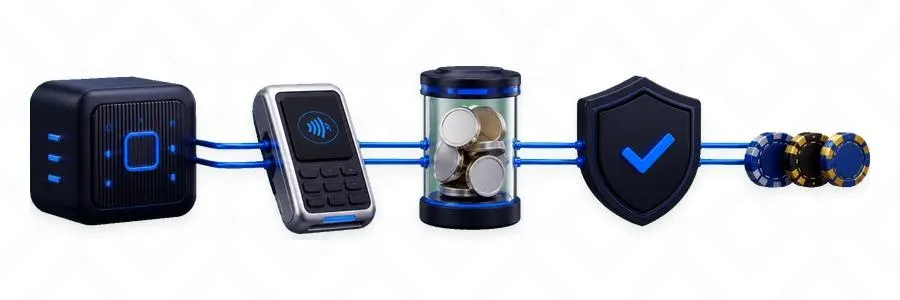
Every deposit screen is powered by a payment layer that would look right at home in any merchant's toolkit. Crypto payment gateways handle the routing, confirm transactions on the correct network, and convert a raw blockchain transfer into a usable balance. This is the same category of tool that lets an online store accept Ethereum or a travel site take Litecoin.
Behind the scenes, these systems decide which networks to support. A gateway might accept Bitcoin on its base chain, USDC on multiple networks, and a handful of altcoins for good measure. Users who care about low fees often lean toward faster, cheaper networks, exactly as they would when paying a regular merchant. The gaming cashier simply inherits the strengths and quirks of the wider crypto payment world.
Security sits at the center of all this. Blockchain settlement means each transaction is verifiable and hard to reverse, which appeals to anyone who values control over their own funds. Provably fair systems add another layer, letting players check outcomes against cryptographic proofs rather than taking a result on faith.
What Real Transaction Data Reveals
Curiosity about how people actually use these coins for entertainment is not limited to marketing talk. Researchers have dug into the on-chain evidence. A detailed study of actual crypto gaming transactions tracked real blockchain activity over time, offering a rare, data-grounded look at how deposits and cashouts flow through these systems.
The takeaway for a crypto-minded reader is that the plumbing is transparent by design. Because everything settles on a public ledger, the movement of funds can be observed and studied in ways that traditional finance rarely allows. That transparency is part of what makes the whole space appealing to people who like to understand exactly where their money goes.
Choosing the Right Coin for the Moment
With so many options, picking a payment method comes down to priorities. Someone who wants speed and rock-steady value might reach for USDC on a low-fee network. A long-term Bitcoin holder might prefer to spend a small slice of BTC directly, keeping everything within a single asset. Privacy-focused users often gravitate toward venues that ask for minimal personal detail, letting the wallet do the talking instead of a stack of forms.
The practical advice that circulates across crypto directories applies neatly here: check which networks are supported, mind the fees, and keep a stablecoin balance ready for moments when predictability matters more than upside. A little planning turns a good experience into a smooth one.
In the end, the story is simple. The same payment rails that let people spend crypto on everyday goods now carry a healthy dose of entertainment too. From USDC balances to a friendly cashier screen, the tools were already there — they just found a new place to shine.
