
 English
 Español
 Français
 Português
 BTC
 ETH
 LTC
 BCH
 USDT
 DOGE
 DASH
 USDC
 XRP
 XMR
 TRX
 BNB
 SHIB
 SOL
 DAI
 ZEC
 ETC
 POL
 ADA
 XLM

A Bitcoin transfer settles the same way in Lisbon, Lagos or Lima. The network has no idea where the sender lives. Spending works differently. Crypto ownership reached 774 million people by mid-2026, and nearly all of those holders live under local rules that decide which coins they can buy, where they can use them and what gets reported afterward.
This year made those rules hard to miss, starting with the stablecoin that many merchants still ask for by default.
Europe Showed How Fast a Coin Can Leave the Shelf
MiCA’s transition period ended on July 1, 2026, and licensed platforms pulled USDT from regulated exchanges across the EU. Coinbase, Kraken and Crypto.com had already wound down USDT trading for European users, because Tether chose not to seek the e-money authorization that MiCA requires from stablecoin issuers. At the time, USDT was still the largest stablecoin in the world, worth about $186 billion. Only 244 MiCA licenses had been issued across the EU before the deadline, so the pool of platforms allowed to serve European users is smaller than many holders assume.
Holding USDT in Europe remains legal, and so does sending it from a private wallet. The route in and out is what changed. A European buying dollar-pegged tokens on a licensed exchange now gets USDC or EURC, while plenty of merchants, especially in gaming and digital services, still treat USDT as their main stablecoin at checkout. The token behaves the same on-chain. Getting hold of it does not. Circle took the opposite approach and secured a license in France that covers all 27 member states, which is why USDC and EURC now fill most of the gap.
The Same Token Can Cost More in Another Country
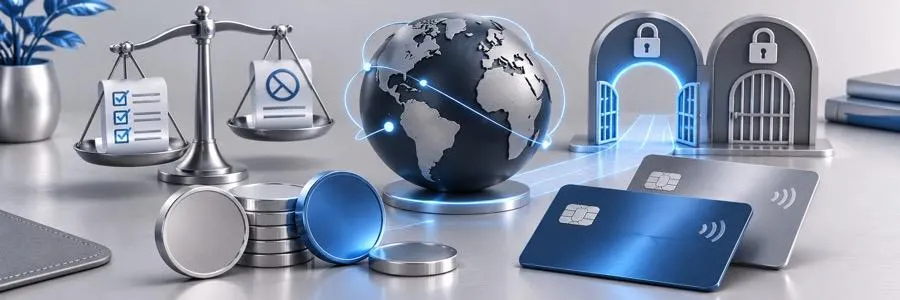
Local rules move prices too. After Indian authorities acted against crypto remittance firms this year, USDT in India traded at a premium of more than 8.5%. A coin built to track one dollar became noticeably more expensive for anyone buying it there.
The United States went the other way with a federal rulebook. The GENIUS Act, signed in July 2025, requires payment stablecoin issuers to back every coin one for one with cash or short-term Treasuries. A US holder and a European holder can own the same token and still face different access, different issuers to trust and different paperwork.
Some Sectors Draw the Line at Checkout
Industries with their own regulator add a second layer. Online gambling in the Netherlands is one of the clearest examples. Around 30 operators hold a license from the Kansspelautoriteit, and none of them accept crypto, because Dutch rules require deposits to run through payment methods tied to a verified account in the player’s own name. Many international sites do accept crypto, so the payment options a Dutch player sees depend heavily on which kind of site they open.
That is exactly the kind of difference a good comparison makes visible. A comparison site such as CasinoVergelijker.net lays Dutch and international casinos side by side with their payment methods, withdrawal times and payout limits, so a player can see in one view which options fit the way they want to pay.
Sometimes the line comes from the company rather than a regulator. Apple does not take crypto in its own stores, which is why buyers who want to pay for an iPhone with Bitcoin go through independent resellers instead.
Tax Reporting Now Crosses Borders on Its Own
Since January 1, 2026, crypto service providers in the EU have collected customer and transaction data under the DAC8 rules, and tax authorities pass that data on to the member state where each customer lives. Opening an account on an exchange in another EU country no longer keeps activity out of view at home. The OECD framework behind DAC8 extends the same exchange to countries outside the EU that have signed up to it.
The tax treatment of crypto stays a national matter. What has changed is how much each tax office can see, which makes your own log of dates, amounts and transaction hashes worth keeping from the first payment.
Local Filters Tell You More Than Global Lists
A worldwide list of businesses that accept Bitcoin answers a question most people never ask. The useful question is narrower: who will take this coin, on this network, from someone in my country? Cryptwerk lets readers browse merchants by country, with pages for markets from the Netherlands to the United Arab Emirates, and that filter often matters more than the size of the full list.
Before your next payment, confirm three things. Check that the merchant serves your country, check which version of a stablecoin it accepts and on which network, and check what your own exchange still lets you buy and withdraw.
