
 English
 Español
 Français
 Português
 BTC
 ETH
 LTC
 BCH
 USDT
 DOGE
 DASH
 USDC
 XRP
 XMR
 TRX
 BNB
 SHIB
 SOL
 DAI
 ZEC
 ETC
 POL
 ADA
 XLM
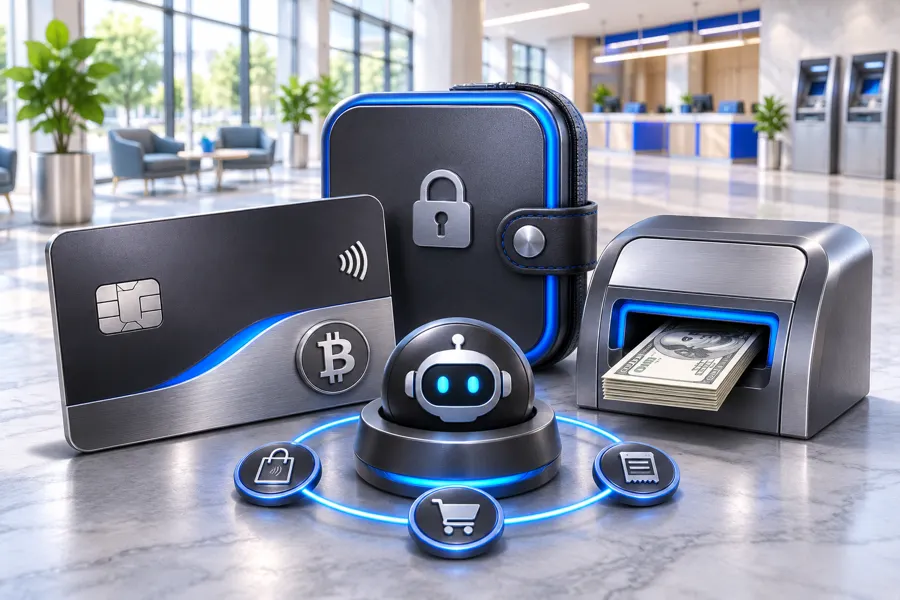
Crypto-backed credit, wallet cash withdrawals and a dedicated AI-agent account put three different payment models into everyday use.
Payment products announced in mid-November connect crypto balances to places where people already spend or collect money. Binance has added a borrowing option at card and QR checkout. Solflare users can now take USDC to participating MoneyGram locations for cash, while a separate wallet update lets them conceal payment amounts from public view. Wirex has introduced an AI agent with its own account and card, subject to limits set by the person using it. These products have different users and availability rules. A borrower in Mexico, a wallet holder seeking cash and an AI-agent user would each follow a different payment route. The common practical questions are how a digital balance becomes spendable, who controls the transaction and which details remain visible.
Binance Adds Pay Later to Card and QR Checkout With a 1,000 USDC Limit
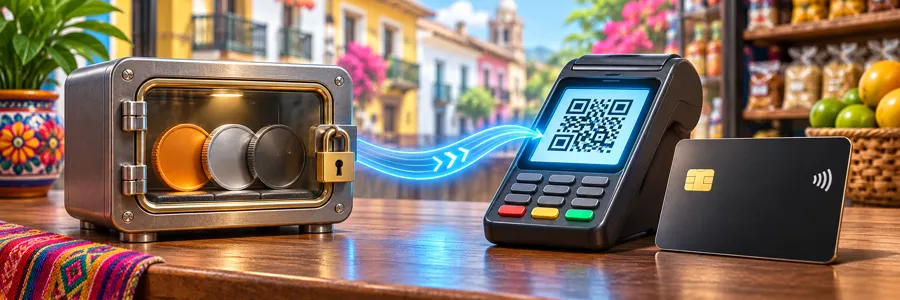
Binance launched Pay Later on 16 November for eligible users in Argentina and Mexico, allowing purchases through Binance Card or supported QR payments without selling the BTC, ETH or BNB pledged as collateral. The spending limit is up to 50% of eligible collateral value, capped at 1,000 USDC per user. Only the amount spent is borrowed, in USDC, when a payment is made. It is a new checkout option within crypto finance services, with borrowing risk attached.
The Binance announcement says repayment by the first day of the following calendar month carries 0% interest; overdue balances can incur charges. This makes a crypto balance usable at a card or merchant QR checkout, but the purchase is financed by a collateralized loan, not by a direct sale of the user's coins. Availability and eligibility vary by market. Readers comparing crypto cards should check the borrowing terms alongside the payment method.
Solflare and MoneyGram Open USDC-to-Cash Withdrawals in More Than 170 Markets

Solflare integrated MoneyGram Ramps, giving eligible wallet users a way to withdraw USDC on Solana as local-currency cash at participating MoneyGram locations in more than 170 countries and territories. Users choose MoneyGram from the wallet's Withdraw flow, specify the USDC amount and complete pickup under MoneyGram's instructions.
MoneyGram's release says the cash-out fee is waived through 31 December 2026 for eligible users in supported markets. The country count describes the network's reach; it does not mean every branch or user is eligible. For people who receive USDC but need physical cash, this adds a withdrawal route inside an existing self-custody wallet instead of requiring a separate exchange withdrawal.
Solflare Adds Private Mode for Payments That Conceal Amounts, Not Wallet Addresses
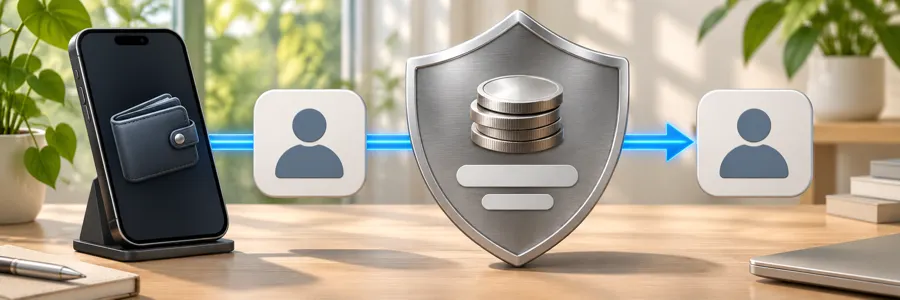
Solflare added Private Mode to its wallet so two users who have enabled the feature can transfer funds while keeping the amount and asset out of public view. The sender and recipient addresses remain visible on Solana. Users keep their existing address and keys, with a separate private balance inside the wallet.
The Solflare product guide says moving funds into or out of that balance is a regular visible transaction. Payments to recipients without Private Mode fall back to a public transfer after a warning. Swaps, staking and dApps still use the regular public balance. This is a narrower privacy choice than anonymity, but it can matter for salaries or supplier payments where publishing the amount would reveal commercially sensitive information. It also gives users another criterion when comparing crypto wallets.
Wirex Launches Navoka With a Separate AI-Agent Card, Wallet and Spending Controls

Wirex launched Navoka on 12 November as an invite-only AI payment agent with its own IBAN, debit card and stablecoin wallet, separate from the user's personal accounts. The person sets allowed merchants, spending limits, daily caps and country lists; the agent cannot change those rules. A payment outside the rules waits for approval.
The Wirex announcement also describes a card freeze control and an audit record for each payment. Telegram interaction is available initially, while other messaging integrations are planned. The distinct account is the practical point: a user can delegate a purchase without handing an assistant the details of a personal card. Because access is invite-only, this is an early product launch, not broad consumer availability. Businesses considering AI crypto services should evaluate those limits and approval paths before giving an agent payment authority.
