
 English
 Español
 Français
 Português
 BTC
 ETH
 LTC
 BCH
 USDT
 DOGE
 DASH
 USDC
 XRP
 XMR
 TRX
 BNB
 SHIB
 SOL
 DAI
 ZEC
 ETC
 POL
 ADA
 XLM
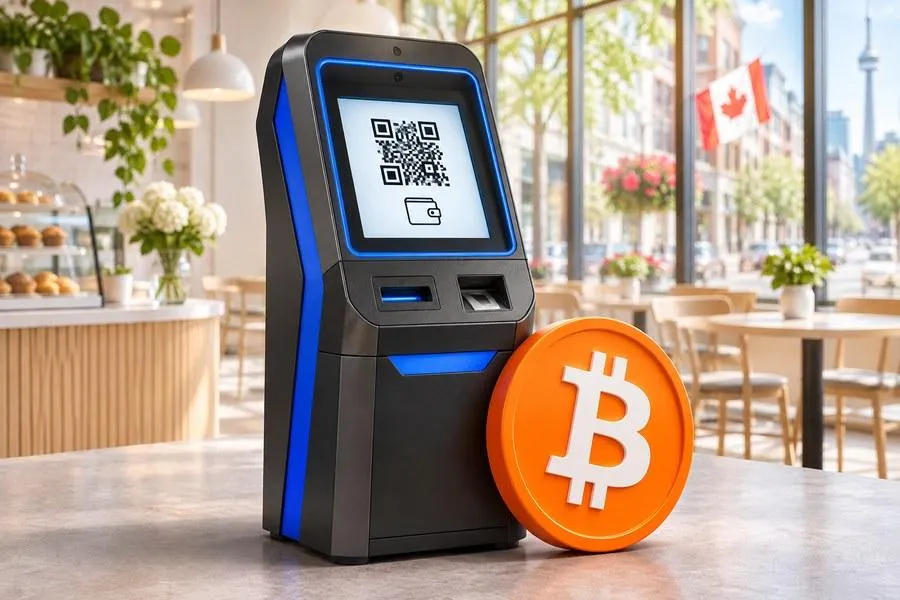
Bitcoin ATMs have quietly become one of the most visible ways ordinary people interact with cryptocurrency, offering a physical, walk-up alternative to exchanges and apps. This piece explains how the machines work, why they appeal to everyday users, and what rules shape their use in Canada.
What a Bitcoin ATM actually does
A Bitcoin ATM is a kiosk that lets a person exchange cash for bitcoin, or in some cases sell bitcoin for cash, without going through a traditional bank account or a full online exchange signup. The machine reads a digital wallet address, usually through a QR code, and sends the purchased coins directly to that wallet. Unlike a bank ATM, it does not dispense paper currency tied to a bank card; it moves value between cash and a blockchain-based asset.
Most machines require some form of identity verification before a transaction clears, particularly for larger amounts. This can include a phone number, a government-issued ID scan, or in some cases a photo taken at the kiosk itself. The exact threshold varies by operator and by the size of the transaction being requested.
Why people choose a kiosk over an app
For newcomers to crypto, a physical kiosk can feel more approachable than setting up an account on an exchange, linking a bank account, and waiting for verification steps to clear. Cash-based transactions also appeal to people who prefer not to connect crypto purchases directly to a bank account for privacy or simplicity reasons. Others use the machines because they need a fast, same-day way to convert cash into a digital asset, something online platforms do not always offer instantly.
Small business owners, gig workers paid partly in cash, and travelers moving between countries have all been cited anecdotally as groups that find kiosks convenient. The appeal is less about technical sophistication and more about immediacy and a sense of control over the transaction.
How the machines fit into the broader payment landscape
Bitcoin ATMs sit alongside exchanges, peer-to-peer trading platforms, and merchant payment processors as one more entry point into digital asset ownership. They tend to charge higher fees than online exchanges, reflecting the cost of operating physical hardware and manual cash handling, but they trade that cost for speed and simplicity. As digital payments continue to diversify, kiosks represent a bridge for people who are comfortable with cash but curious about crypto.
Once someone owns bitcoin through a kiosk, what they do with it varies widely. Some hold it as a long-term asset, some use it for online purchases, and others explore crypto-friendly entertainment platforms; those curious can look at a bitcoin sportsbook canada users might consider to see how such platforms handle crypto deposits generally.
Compliance and oversight considerations
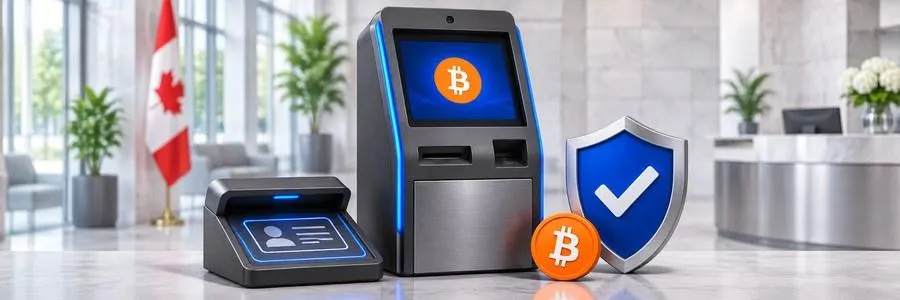
In Canada, operators of Bitcoin ATMs are treated as money services businesses and must register accordingly, which brings them under anti-money-laundering reporting obligations enforced by the national financial intelligence agency. This means transaction records, identity checks above certain thresholds, and suspicious activity reporting are part of how these machines are expected to function. The agency responsible for this oversight, the Financial Transactions and Reports Analysis Centre of Canada, publishes guidance on what obligations apply to businesses handling virtual currency.
Canada holds a distinctive place in this story: the world's first Bitcoin ATM was installed in a Vancouver coffee shop in 2013, and the country has since grown into one of the largest markets for these machines globally, with thousands now operating under the same money-services-business framework. On the dimension of everyday consumer technology and cash-to-digital habits, that same pattern of physical, walk-up access shows up elsewhere too, including in markets like New Zealand, where kiosks and mobile payment tools have similarly become a common bridge between cash culture and digital finance for everyday users. The comparison matters because it shows how physical access points and mobile-first habits tend to develop together rather than in competition, regardless of where they appear. Readers curious about how that same crypto-to-leisure pathway plays out for online entertainment can look further into options tied to a bitcoin sportsbook residents might explore when comparing crypto-friendly platforms.
Bitcoin ATMs are unlikely to replace exchanges or banking apps, but they fill a specific gap: immediate, cash-based access to a digital asset for people who want it without extra steps. Their growth reflects a broader pattern in how everyday consumers encounter crypto, often through convenience rather than ideology. As with any financial tool, understanding the fees, verification requirements, and purpose behind a transaction remains the most practical approach before using one.
