
 English
 Français
 BTC
 ETH
 LTC
 BCH
 USDT
 DOGE
 DASH
 USDC
 XRP
 XMR
 TRX
 BNB
 SHIB
 SOL
 DAI
 ZEC
 ETC
 POL
 ADA
 XLM
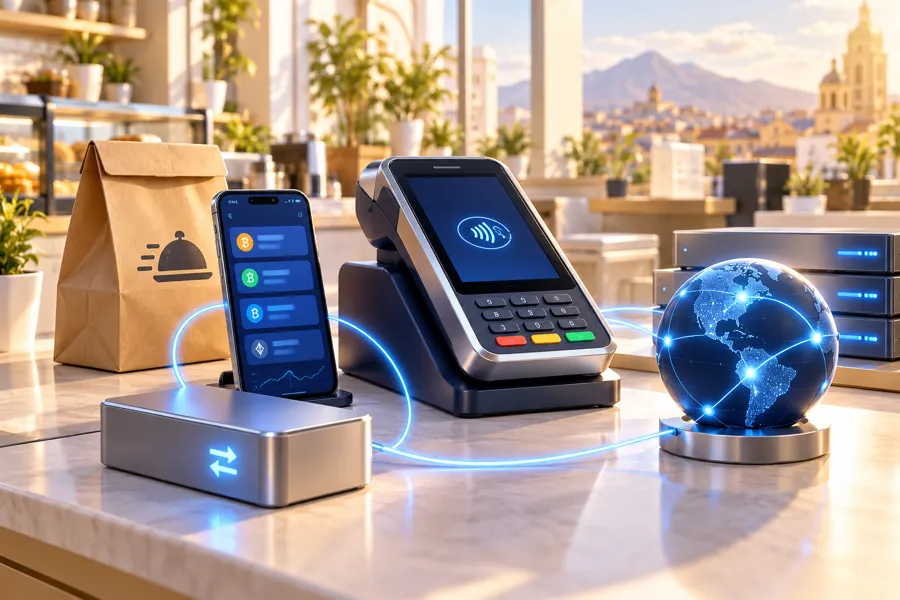
Wallet-funded checkout, Bitcoin Cash acceptance and USDT food orders moved forward as payment firms built new routes between crypto balances and everyday spending.
This week's merchant news covers three payment routes: a planned connection from crypto wallets to card checkouts, Bitcoin Cash returning to a crypto payment gateway, and live food orders paid in USDT.
They are at different stages. CoinGate's Bitcoin Cash option is available now. Visa and Mesh have announced a partnership but have not named a launch date or participating wallet apps.
Beyond checkout, Coinbase and Thunes have agreed to connect stablecoin infrastructure to local payout networks. Zerohash has launched an account-linking tool for transfers. For shops accepting cryptocurrency and the services that support them, the practical question is what customers can use today and what still depends on partner rollout.
Visa and Mesh Plan Wallet-Funded Payments at Visa Merchants Without a Separate Card
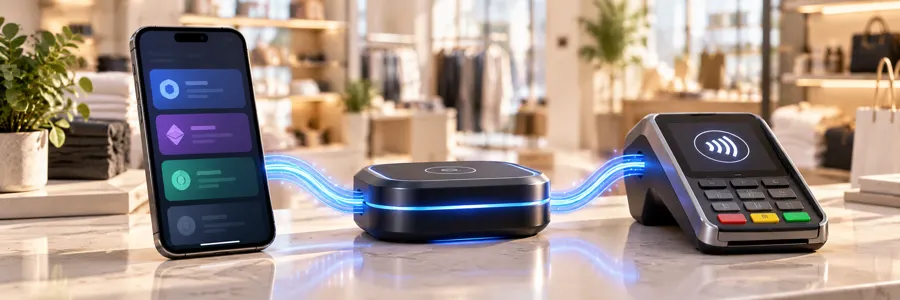
Visa and Mesh announced a partnership on October 19 to let participating wallet users pay from crypto or stablecoin balances at existing Visa-accepting merchants. Mesh would handle funding and conversion, while the merchant would receive a standard card-network payment. The companies have not announced initial availability, supported devices or participating apps.
The Mesh announcement cites Visa's network of more than 175 million merchant locations. That figure describes the network's existing reach, not a live count of crypto-enabled checkouts under this new arrangement. Mesh says a wallet platform could integrate once without building its own card program, and merchants would not need new hardware or a different checkout process.
For users of crypto wallets, the proposed benefit is spending from a balance where it is already held. The remaining test is rollout: which wallets support it, where it is available and how conversion costs appear before payment.
CoinGate Restores Bitcoin Cash at Merchant Checkout, Settlement and Payouts

CoinGate has restored Bitcoin Cash payments at merchant checkout. Customers could select BCH again from October 12, and merchants can also receive BCH settlement or send BCH payouts. The company published the update on October 20 after removing BCH from its checkout in July.
In its product update, CoinGate says BCH is now one of 12 payable assets and one of 13 assets available for payouts. A shopper chooses Bitcoin Cash on the invoice, sends the displayed amount to the displayed address and waits for confirmation. Merchants may still choose to settle a BCH sale in euros or a stablecoin instead.
The change gives merchants using this gateway another direct payment choice without replacing their checkout. Businesses comparing ways to accept crypto payments as a merchant should distinguish the coin a customer pays with from the currency the business receives after settlement.
Tether Funds Peso as USDT Food Orders Reach Yango Users in Bolivia
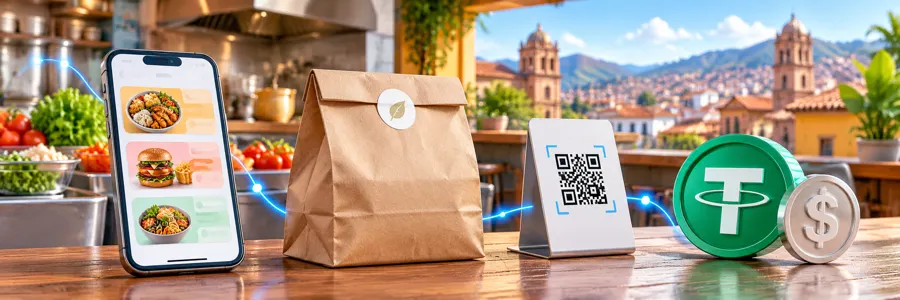
Tether led a pre-seed investment in Bolivian fintech Peso, announced October 21. Peso already lets Yango users in Bolivia order food and pay in USDT inside the app. The funding is intended to expand local entry and exit routes and Peso's merchant-facing payment network across Bolivia, Brazil, Colombia and Argentina.
The Tether release also describes Peso's point-of-sale acceptance and named virtual accounts connected to Bolivian QR and ACH banking rails. Those details matter because a consumer payment needs a usable local merchant and a way to move value between USDT and local currency. The Yango food-order flow is an existing use case; broader regional expansion remains a plan.
For merchants, the question is whether that mix of in-app payment, point-of-sale acceptance and local bank connectivity can fit the way they already collect and reconcile sales. Tether did not disclose the size of its investment.
Coinbase and Thunes Link Stablecoin Infrastructure to Local Payout Networks

Coinbase and Thunes announced a payments partnership on October 19. Coinbase plans to use Thunes' direct network for local bank-account and mobile-wallet payouts, while Thunes plans to use Coinbase's stablecoin infrastructure. The companies described supplier payments, gig-worker payouts and remittances as intended uses, without specifying a launch date or supported corridors.
The Thunes announcement says the integration would connect Coinbase to local clearing systems and alternative payment methods. Thunes describes a network reaching mobile wallets, bank accounts and cards, but that network scale should not be read as immediate availability of the new Coinbase flow in every market.
This is the payout side of crypto finance services: recipients need money in a local account or wallet they can actually use. Fees, conversion terms and live routes will determine how useful the partnership becomes for businesses paying people across borders.
Zerohash Launches AUTH to Move Crypto Between Linked Accounts Without Addresses

Zerohash launched AUTH on October 19, allowing users of supported services to link custodial accounts or self-custody wallets and approve transfers without copying a raw wallet address or choosing a blockchain network manually. The product is designed for crypto and stablecoin deposits and withdrawals embedded in other financial apps.
According to the zerohash launch and its product documentation, the network has more than 600 potential connections. Platforms can control which accounts, assets and transfer types they enable, and each transfer still needs user authorization. A listed connection does not mean every asset or feature is available on every platform.
For blockchain services handling payments, account linking can remove one error-prone step from sending funds. It does not remove the need to check the destination, transfer amount and platform's own limits before approval.
