How Bitcoin Adoption Is Changing Digital Payment Preferences Worldwide
Bitcoin used to feel like internet cash for coders, traders, and people with strong opinions about central banks.
Latest Bitcoin news covering BTC payments, Lightning Network adoption, mining, regulation, institutional activity and major network developments.
Bitcoin used to feel like internet cash for coders, traders, and people with strong opinions about central banks.
For a long time, the practical case for holding Bitcoin centered on buying things — a flight, a gift card, a coffee from a merchant that happened to accept it. Lately, though, a different use has crept into the picture, and a growing number of holders now treat an online casino bitcoin destination as a legitimate way to spend a small slice of their balance on entertainment.
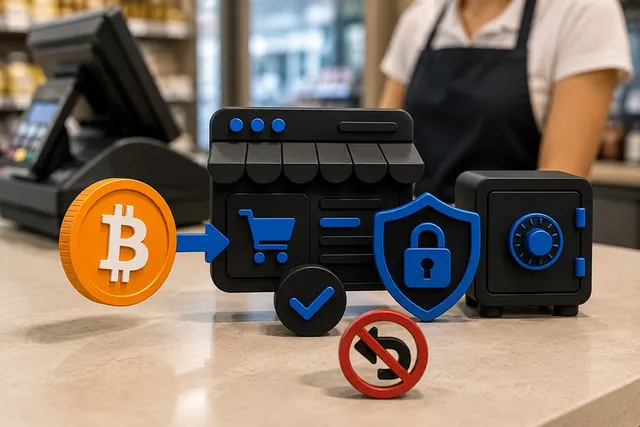
A credit card payment has a safety rope. A bank can pull it back. A customer can dispute it. A processor can freeze the charge. A Bitcoin payment works more like cash pushed through a locked slot. Once the network confirms it, the money moves. No clerk can open the slot from the other side. No bank can press undo.
Scroll through any well-stocked crypto spending directory and a clear pattern jumps out. Right alongside the coffee shops, hosting services, and travel sites that accept digital coins sits a busy cluster of entertainment listings. The gaming category has quietly become one of the most active corners of the whole directory, full of merchants where Bitcoin isn't just held or traded but actually spent on a few hours of fun.
Bitcoin mining was one of the riskier businesses in the industry. The profits depended on the price of Bitcoin, as well as the cost of equipment and the electricity needed to run it. Since 2025, the industry has been changing, as equipment has been widely used to build infrastructure for AI data centers.
Bitcoin mining sounds exciting until the actual costs start showing up. A lot of people jump in after seeing screenshots of mining profits online, but the reality is usually less glamorous. Hardware is expensive, electricity bills keep climbing, and competition gets tougher every year.
Interest in Bitcoin has expanded steadily across Canada as digital assets gain visibility in finance, investment, and technology sectors. Individuals, investors, and businesses are paying closer attention to how cryptocurrencies function within the country’s financial environment. This has also increased curiosity about how Bitcoin fits within Canada’s broader economic and regulatory framework.
More businesses accept Bitcoin as payment than ever before. From online stores and travel bookings to software subscriptions and freelance services, the options for spending Bitcoin in the real world have grown considerably. But using Bitcoin as a payment method brings a set of practical considerations that spending euros or dollars does not. Chief among them is the price at the moment you pay.
Almost everyone in crypto has the same quiet thought: “If I had held longer…” “If I had bought earlier…” “If I had sold more rationally…” But very few people talk about the real reason behind these regrets. It wasn’t bad luck. It wasn’t lack of intelligence. It was lack of structure.
Bitcoin’s (BTC) price has taken a sharp turn, recently dropping below US$90,000 after reaching over US$126,000 in October. This decline marks a major reversal of its 2025 gains and reflects growing caution in the market. Analysts note that the dip is tied to concerns about future U.S. interest rate decisions, weakening risk appetite, and large outflows from spot Bitcoin ETFs. Read on to find out what experts predict for the BTC price in the next 30 days and if now is the time to buy!
Many investors are wondering what caused Bitcoin's sudden drop from its all-time high of $126,000 in early October to below $90,000 in November 2025. The biggest cryptocurrency in the world lost all of its gains for the year, dropping more than a quarter of its value from its all-time high in October. Let's look at the real reasons for this big drop in the market and what it means for the future of Bitcoin.
What was once viewed as a scam and potential criminal activity epicenter has now become one of the most sought-after digital currencies. We’re talking about Bitcoin, now dubbed digital gold by the US Department of the Treasury in its Q4 Report for fiscal year 2024.
In the 20th century, the United States dollar (USD) became the universal worldwide currency. At the same time, its purchase is only sometimes associated with the need to pay when traveling to different countries but with the ability to secure your financial situation and even earn on the exchange rate.
Using Bitcoin has moved far beyond just holding it as a digital asset. Today, it’s possible to connect your cryptocurrency to everyday spending through Visa cards. This option opens a smooth bridge between digital money and traditional payment methods.
NEW YORK – August 3, 2025 – Despite a recent record monthly close, Bitcoin retreated to around $115,200 as new U.S. tariffs unsettled investors and triggered a wave of liquidations across crypto markets.
The cryptocurrency access infrastructure market stands at a significant inflection point. Physical crypto access points—often called Bitcoin ATMs or kiosks—have quietly established a substantial global footprint while evolving beyond their original conception.
The cryptocurrency market has reached a historic milestone as Bitcoin (BTC) surged past $111,000, marking a new all-time high and reigniting discussions about the future of digital assets. This unprecedented price level raises critical questions: Will this accelerate mass crypto adoption, or is it just another speculative bubble?
Follow the latest Bitcoin news across payments, technology, regulation, mining and institutional adoption. Cryptwerk covers developments that affect BTC as both a digital asset and a practical payment method, including network upgrades, custody services, corporate activity and new tools for users and merchants. This section helps readers understand how the Bitcoin ecosystem is evolving beyond short-term price movements.
The Lightning Network is a major search topic for people interested in faster, lower-cost Bitcoin payments. Coverage includes Lightning wallets, point-of-sale integrations, payment processors, merchant adoption and infrastructure that can settle BTC transactions quickly. For wider reporting on companies accepting digital assets and real-world payment use, explore Cryptwerk’s crypto adoption news.
Cryptwerk also follows Bitcoin regulation, mining economics, energy and hardware developments, exchange-traded products, corporate treasury strategies and institutional custody. Network security, scalability and protocol changes can influence how BTC is stored, transferred and used. Readers can compare Bitcoin-specific developments with broader cryptocurrency news and digital asset market coverage while evaluating claims through primary and independent sources.