
 English
 Français
 Español
 Português
 BTC
BTC
 ETH
ETH
 LTC
LTC
 BCH
BCH
 USDT
USDT
 DOGE
DOGE
 DASH
DASH
 USDC
USDC
 XRP
XRP
 XMR
XMR
 TRX
TRX
 BNB
BNB
 SHIB
SHIB
 SOL
SOL
 DAI
DAI
 ZEC
ZEC
 ETC
ETC
 POL
POL
 ADA
ADA
 XLM
XLM
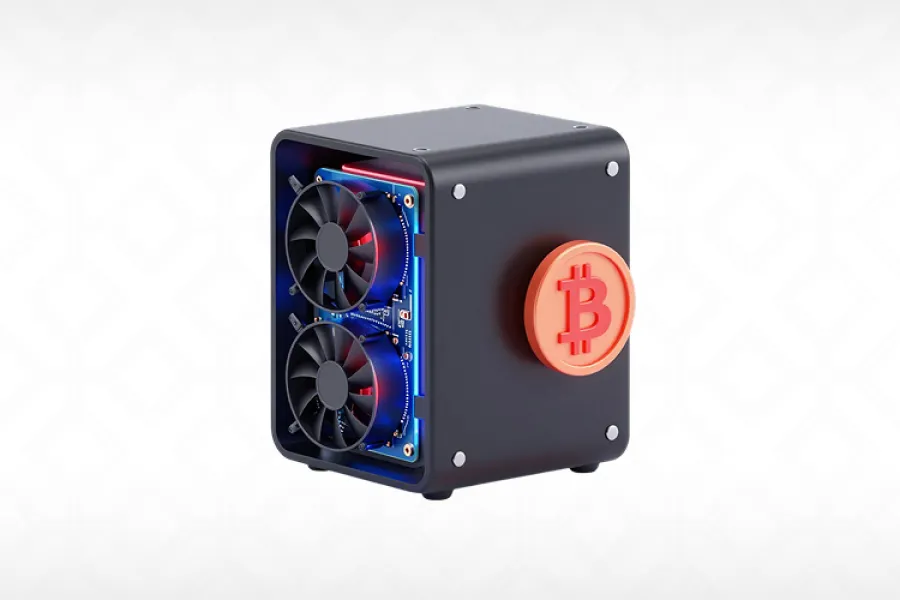
Bitcoin mining sounds exciting until the actual costs start showing up. A lot of people jump in after seeing screenshots of mining profits online, but the reality is usually less glamorous. Hardware is expensive, electricity bills keep climbing, and competition gets tougher every year.
That is why many people now look for affordable bitcoin mining equipment options instead of building massive mining farms immediately. These alternatives offer lower entry costs and less operational pressure. Still, bad budgeting can wipe out profits quickly if you are not careful.
Understanding Bitcoin Mining Equipment
Bitcoin mining equipment usually refers to the hardware and infrastructure used to mine cryptocurrency, including ASIC miners, GPU rigs, cooling systems, and power management setups. This can include cloud mining, GPU mining, staking, mining pools, or smaller crypto infrastructure investments.
For most people, the appeal is simple. Traditional ASIC mining is expensive. Some machines cost thousands before power and cooling are even considered.
And honestly, plenty of beginners underestimate how fast those extra costs pile up.
People entering the crypto space also spend money on trading tools, exchanges, subscriptions, and platform fees along the way. That is one reason budget-conscious users often compare deals carefully before spending. Platforms like ForexCoupons are useful for comparing trading-related offers and reducing unnecessary costs across different financial services.
The Budget Mistake Most Beginners Make
A surprising number of people spend almost their entire budget on hardware.
Then the electricity bill arrives.
Then cooling becomes a problem. Then a fan fails. Then profitability drops because market conditions changed. Suddenly the setup that looked “cheap” becomes difficult to maintain.
Mining is not only about buying equipment. It is about surviving the ongoing costs afterward.
Before spending anything, divide your budget properly:
- Hardware
- Electricity reserve
- Cooling
- Maintenance
- Emergency expenses
Without that structure, it gets messy fast.
A lot of experienced crypto users become careful with spending after making early mistakes. Some rely on platforms like ForexCoupons when comparing trading services or crypto-related financial tools because even small savings add up over time.
Cheap Hardware Can Cost More Later
A lower price tag does not always mean a better deal.
Older ASIC miners usually consume far more electricity than newer models. The same thing happens with outdated GPUs. A machine that looks affordable upfront can slowly drain money every month through higher energy usage.
This is where many beginners get trapped. They focus on the purchase price and ignore efficiency completely.
One efficient machine often performs better financially than multiple low-end rigs struggling to stay profitable.
Electricity Changes Everything
Some mining setups look profitable only because electricity costs are ignored during planning.
That works fine on paper. Real life is different.
In regions with high electricity rates, mining profits can shrink aggressively. Even smaller home setups may generate surprisingly expensive monthly bills when running nonstop.
Experienced miners usually calculate power consumption before buying hardware. Newer users often do the opposite.
That difference matters.
Cooling Is Always Underrated
Mining equipment creates heat constantly. Not “a little warm” heat either. Real heat.
People trying to mine from small rooms or apartments usually notice this quickly. Without proper airflow, hardware performance drops and instability becomes more common.
Some try saving money by avoiding cooling upgrades. Later they spend more fixing overheating issues or replacing damaged parts.
Good ventilation is not optional in mining. It is part of the operating cost whether people like it or not.
Starting Small Makes More Sense
The smartest beginners usually start with one machine.
Not five.
Crypto markets move too fast to justify huge spending early on, especially when someone still does not fully understand maintenance, profitability tracking, or electricity management.
A smaller setup gives room to learn without creating unnecessary financial pressure. Mistakes become manageable instead of expensive disasters.
And mistakes happen to almost everyone in mining eventually.
Looking Beyond Traditional Mining
Not everybody needs ASIC hardware to participate in crypto earning opportunities. Some alternatives are far more practical for smaller budgets. Even newer setups like mobile mining containers are gaining attention because they offer more flexible deployment options compared to traditional fixed mining environments.
Cloud mining lets users rent mining power instead of buying hardware directly. That removes maintenance problems and lowers upfront costs.
The problem is that this industry attracts a lot of scams. Some platforms advertise unrealistic daily returns that simply do not match real mining economics.
If guaranteed profits sound suspiciously easy, there is usually a reason.
- GPU Mining
GPU mining still attracts people because of flexibility. A graphics card can switch between different cryptocurrencies depending on profitability.
That flexibility matters when markets change.
The downside is pricing. During crypto bull runs, GPU prices can become heavily inflated because demand rises so quickly.
- Staking
Staking became popular because it avoids most hardware-related headaches completely.
Instead of running machines nonstop, users lock crypto assets into blockchain networks and receive rewards. Electricity costs stay low compared to traditional mining.
Still, staking is not risk-free. Token prices can fall sharply even while rewards continue accumulating.
- Mining Pools
Mining pools combine computing power from multiple miners and distribute rewards across participants.
For smaller miners, this usually creates more stable payouts than mining solo. Consistency matters when trying to manage a limited budget.
Stop Chasing Hype
A lot of bad mining decisions happen during bull markets.
Crypto prices rise, social media becomes noisy, and suddenly everyone wants mining equipment immediately. ASIC prices explode. GPU prices follow. People panic-buy because they think profits will last forever.
Then the market cools down.
The people who rushed in at inflated prices are usually the ones struggling later.
Patience saves money in crypto more often than people realize.
ForexCoupons is also useful during these hype cycles because comparing offers before spending can prevent people from overpaying for services, subscriptions, or trading-related tools they may not actually need.
Track Your Real ROI
Revenue alone means nothing if expenses are ignored.
Mining should be tracked like a business. Equipment costs, electricity usage, maintenance expenses, and market fluctuations all affect profitability.
Many miners never calculate their actual ROI properly. They focus only on daily earnings while ignoring how much money the operation is actually consuming in the background.
The miners who survive longer usually focus more on cost control than hype.
Scams Are Still Everywhere
The crypto mining space still attracts fake promises constantly.
Fake cloud mining companies, manipulated earning screenshots, counterfeit hardware sellers, and unrealistic ROI guarantees remain common. Beginners usually become the main targets because they are chasing passive income quickly.
Real mining profits always fluctuate. Electricity costs change. Crypto prices move. Mining difficulty increases.
No legitimate platform can guarantee fixed profits forever.
Research matters more than marketing.
Conclusion
Managing your budget when shopping for bitcoin mining equipment is mostly about avoiding unnecessary mistakes. Hardware efficiency, electricity costs, maintenance, and market timing all matter more than beginners usually expect. Starting small, tracking real ROI, and avoiding hype-driven decisions can protect your capital long term. In crypto mining, smart budgeting usually beats aggressive spending.
