
 English
 Français
 Español
 Português
 BTC
BTC
 ETH
ETH
 LTC
LTC
 BCH
BCH
 USDT
USDT
 DOGE
DOGE
 DASH
DASH
 USDC
USDC
 XRP
XRP
 XMR
XMR
 TRX
TRX
 BNB
BNB
 SHIB
SHIB
 SOL
SOL
 DAI
DAI
 ZEC
ZEC
 ETC
ETC
 POL
POL
 ADA
ADA
 XLM
XLM

Crypto payment processors are quietly rewriting the rules on merchant settlement. For years, most gateways defaulted to converting incoming Bitcoin into fiat or stablecoins the moment a transaction cleared, treating BTC as a pass-through currency rather than an asset worth holding.
That default is changing, and businesses now have far more say over what happens to crypto revenue once it lands.
Newer non-custodial gateways and even some mainstream payment platforms have started offering dedicated Bitcoin settlement paths alongside stablecoin options. Instead of forcing an automatic conversion, merchants can choose to receive BTC directly into a wallet they control, sidestepping intermediaries and keeping the option to liquidate on their own timeline.
Payment gateways expand direct BTC settlement options
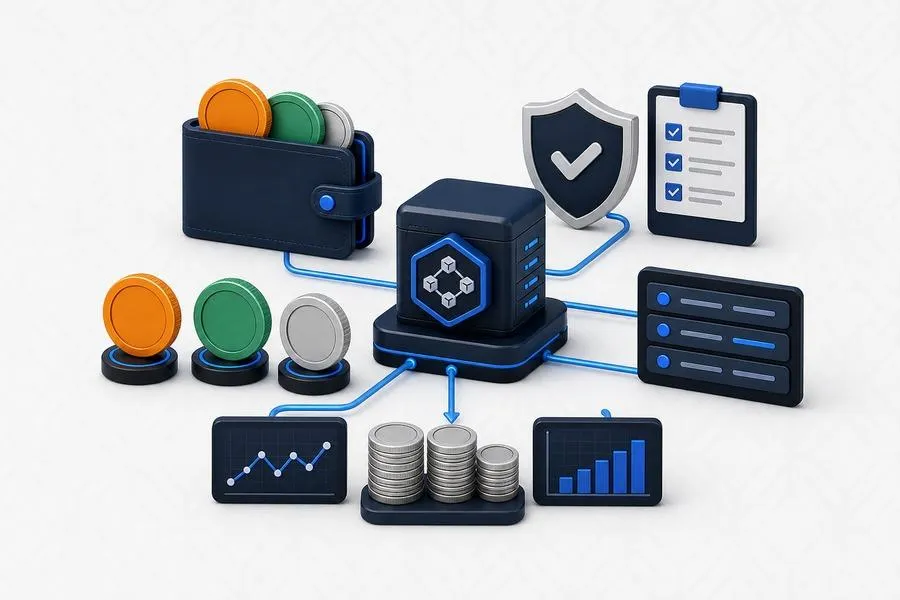
The technical shift comes down to separating checkout, processing, and settlement into distinct layers. A gateway generates a Bitcoin address or Lightning invoice, monitors the transaction until it's confirmed, and then settles funds according to merchant-defined rules rather than a fixed default.
This modular design allows hybrid strategies. A merchant might auto-convert most BTC receipts to fiat for operating costs while retaining a smaller portion as Bitcoin on the balance sheet. Non-custodial setups take this further, sending BTC straight to a merchant-managed wallet so funds never sit with a third party during settlement.
Merchants weigh holding versus instant fiat conversion
Deciding whether to hold or convert isn't purely a technical question anymore-it's a business policy. Some merchants route high-volume transactions into stablecoins for predictable margins while treating BTC from other channels as a longer-term treasury asset. Others prefer to keep everything in Bitcoin and rebalance into fiat on their own schedule through an exchange.
Consumer-facing platforms have been early adopters of this flexibility, from ecommerce to travel websites. What’s more, merchants in specific niches are turning to Bitcoin. Hence, users who wish to buy new NFTs or discover the best Bitcoin gambling sites, popular for looser rules and more games, now have more features at their disposal. All this only illustrates how settlement choices now extend well beyond retail checkout pages.
The broader market context supports this trend: global crypto payment gateway revenue was valued at 1.69 billion dollars in 2024 and is projected to keep climbing, reflecting rapid growth in infrastructure that gives merchants a genuine choice between fiat, stablecoin, and direct crypto settlement.
Compliance requirements shape settlement infrastructure choices
Regulatory considerations still weigh heavily on how gateways design their settlement options. Enterprise-focused processors increasingly urge merchants to decide upfront whether payouts should be in crypto, fiat, or a mix, factoring in local reporting obligations and liquidity needs before transactions even begin. That guidance reflects a market where some businesses now deliberately hold BTC rather than converting it automatically.
Stablecoins remain the dominant settlement asset in raw volume terms, with projections suggesting they could account for over half of gateway transactions processed through crypto payment infrastructure. That statistic underscores why direct BTC settlement is best understood as an expanding option within a stablecoin-heavy market, not a wholesale replacement for it. Compliance teams are adapting gateway settings accordingly, treating settlement asset choice as a configurable parameter rather than a one-size-fits-all rule.
Directory listings help merchants compare gateway providers
For businesses trying to navigate these options, directories that track crypto-accepting merchants and payment processors are becoming a practical research tool. Rather than testing every gateway independently, operators can compare which providers support non-custodial wallets, hybrid conversion policies, or direct BTC payouts before committing to an integration.
This matters more as adoption scales. More than 25 million merchants worldwide accepted cryptocurrency in 2025, up from 18 million just two years earlier, and roughly 61% still favor instant fiat conversion to avoid volatility exposure. That leaves a meaningful and growing segment of merchants exploring direct settlement instead-a trend that directory listings are starting to reflect by noting not just whether a business accepts Bitcoin, but how it settles.
As gateway providers continue refining these settlement layers, the practical takeaway for merchants is straightforward: the choice between holding and liquidating Bitcoin revenue is no longer dictated by infrastructure limitations. It's a business decision, and one that more payment processors are finally built to support.
