
 English
 Français
 Español
 BTC
BTC
 ETH
ETH
 LTC
LTC
 BCH
BCH
 USDT
USDT
 DOGE
DOGE
 DASH
DASH
 USDC
USDC
 XRP
XRP
 XMR
XMR
 TRX
TRX
 BNB
BNB
 SHIB
SHIB
 SOL
SOL
 DAI
DAI
 ZEC
ZEC
 ETC
ETC
 POL
POL
 ADA
ADA
 XLM
XLM

Banks, retailers and payment networks are adding the accounts, checkout rails and controls that make crypto and AI commerce usable in daily transactions.
Crypto adoption is moving through familiar financial products: bank accounts, merchant checkout, payment cards and wallets with clear spending permissions. In Brazil, large banks are widening retail access to digital assets. Russia has opened its digital-ruble platform to customers and set phased acceptance rules for large merchants. Steak ’n Shake has pointed to sales growth after it added Bitcoin payments. At the same time, payment networks are preparing for a different kind of customer: software agents that can discover products, build carts and act only within user-approved limits. The practical question is no longer whether crypto or AI can move value. It is whether a user, merchant or bank can see who initiated the payment, which balance paid for it and which rules governed the transaction.
Brazilian Banks Expand Retail Crypto Access as Itaú, Nubank and Banco do Brasil Broaden Their Offers
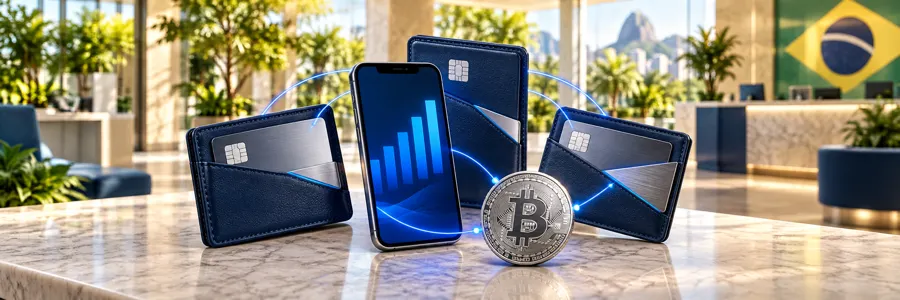
Itaú, Nubank and Banco do Brasil have expanded the range of crypto assets available to retail customers, with each bank now offering more than a dozen tokens through its own consumer channels. The change puts crypto access inside institutions that already hold customers’ deposits, run their mobile apps and provide standard financial support.
That model reduces the number of separate accounts a customer must open before buying or holding digital assets. It also makes bank-grade onboarding, transaction history and customer support part of the experience. The offering does not turn a bank account into self-custody, but it gives more users a route into crypto finance services through tools they already use.
Bank of Russia Opens Digital-Ruble Payments to Users and Large Merchants
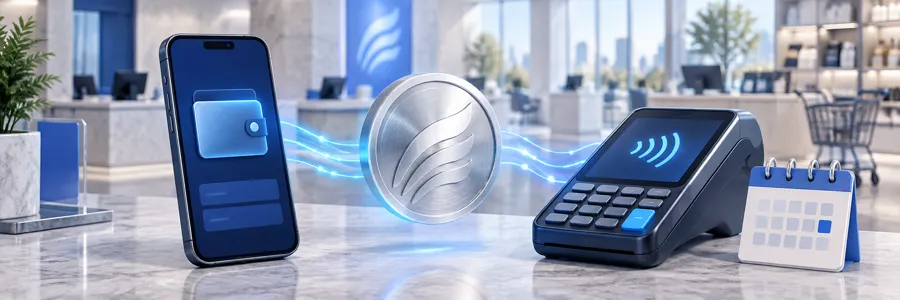
The Bank of Russia opened digital-ruble operations to customers through participating banks from 1 September, allowing individuals to open one digital-ruble account through a bank app and fund it from a bank account. The regulator set a monthly top-up limit of ₽300,000 for individuals and no top-up limit for businesses.
The rollout also gives large merchants a timetable. Businesses with annual revenue above ₽120 million and existing relationships with systemically important payment providers must support digital-ruble payments from the start of the programme; lower thresholds follow in 2027 and 2028. The regulator’s digital-ruble launch notice frames the system as another form of the national currency, rather than a speculative asset. For a merchant, the operational issue resembles any new payment rail: connect the checkout, reconcile incoming funds and decide where it fits among existing crypto payment gateways.
Steak ’n Shake Reports Sales Growth After Adopting Bitcoin Payments

Steak ’n Shake said its sales grew at a double-digit rate after the restaurant chain began accepting Bitcoin over Lightning. The company’s claim does not isolate the payment option as the sole cause of the increase, but it gives a rare operating signal from a large consumer brand that has made crypto acceptance part of its public retail strategy.
The useful test is not the announcement itself. It is whether customers can pay without creating friction for staff, accounting and refunds. Lightning can make a small in-store payment fast, but a chain still needs a reliable terminal flow and a settlement process that its finance team understands. That is why examples from shops accepting cryptocurrency matter: they show whether a payment method survives contact with the queue, the till and everyday purchasing habits.
The same discipline applies when a retailer offers crypto cards or a direct wallet payment. The payment option must fit the merchant’s existing support and settlement process.
Mastercard Opens Agent Connect as Ant, Visa and Mastercard Set AI-Payment Identity Rules
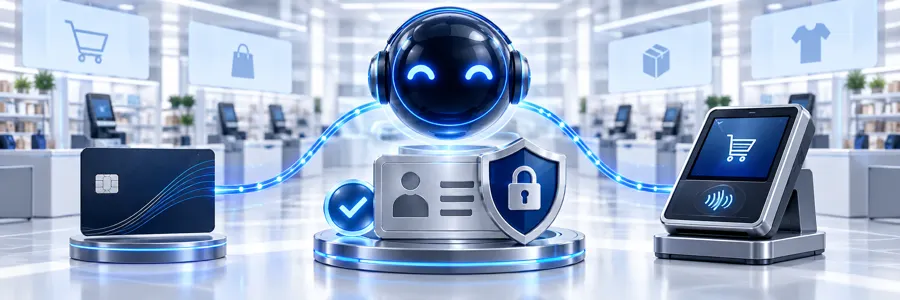
Mastercard launched Agent Connect, a product designed to give merchants, AI agents, platforms and payment providers one integration for product discovery, cart creation and consumer-authorised transactions. Mastercard said the service should let a business control how its catalogue appears across AI environments while supporting a trusted route from an agent’s request to checkout.
Ant International also joined Visa and Mastercard in work on common standards for identifying and monitoring AI agents in payments. Those efforts address the same commercial problem from two sides: a merchant needs a way to accept a legitimate agent-led order, while the payment network needs a record of the user, agent and permissions behind it. Mastercard’s Agent Connect announcement describes a path for businesses that want to accept crypto payments as a merchant without giving software agents unrestricted access to a catalogue or a customer’s card.
Coinbase Gives AI Agents Limited Account Access as x402 Data Tests Their Spending Claims

Coinbase has continued to expand access for AI agents through accounts with isolated portfolios and controlled trading and payment permissions. A user can give an agent a defined balance and set rules around what it may touch, rather than exposing the customer’s whole account. Coinbase’s agent product documentation describes these limits as a way to let software execute approved workflows while keeping control with the account holder.
New analysis of x402 activity adds a needed check to the growth narrative. TRM Labs examined roughly $52.7 million across 198.9 million settlements and found that a high transaction count does not, by itself, prove that autonomous agents are making economically meaningful purchases. Small automated calls can inflate activity. Providers of AI crypto services therefore need more than a wallet connection: they need limits, audit records and a clear purpose for each payment.
Those controls give users a way to use crypto wallets with automation without treating every machine-generated transfer as a sign of mass adoption.
