
 English
 Français
 Español
 BTC
BTC
 ETH
ETH
 LTC
LTC
 BCH
BCH
 USDT
USDT
 DOGE
DOGE
 DASH
DASH
 USDC
USDC
 XRP
XRP
 XMR
XMR
 TRX
TRX
 BNB
BNB
 SHIB
SHIB
 SOL
SOL
 DAI
DAI
 ZEC
ZEC
 ETC
ETC
 POL
POL
 ADA
ADA
 XLM
XLM

Money transfers, community banking, merchant checkout and self-custody wallets gained new payment tools this week.
Crypto payment products are moving closer to systems that consumers and businesses already use. MoneyGram is turning a stable-dollar balance into a card for everyday purchases. Coinbase and Moov are placing stablecoin acceptance and settlement tools inside a payments platform used by community banks and credit unions. Mastercard is building a single connection for merchants that want to work with AI shopping agents without handing over their catalogue or payment rules. MetaMask is also separating from Consensys to focus its consumer wallet business on holding, spending and managing money. These are different products, but each reduces the work required to move from an onchain balance to a payment, checkout or crypto finance service.
MoneyGram Launches a Stablecoin Card in Colombia and Lets Customers Spend Their Balance Through Visa
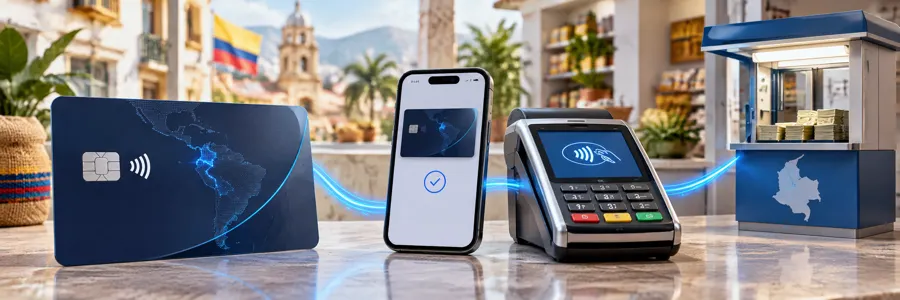
MoneyGram launched the MoneyGram Card in Colombia, giving eligible users a virtual card that can spend a stable-dollar balance wherever Visa is accepted. The card works in the MoneyGram app and can be added to Apple Wallet or Google Wallet, so a remittance recipient can move from receiving funds to paying online or in stores without leaving the same service. MoneyGram’s launch announcement says the product will reach further markets later and that a physical card is planned for late 2026.
Rain provides the card infrastructure, Crossmint provides wallet capabilities, and Stellar supports the payment flow. The product also gives customers a route to cash through MoneyGram locations. People who need both a digital balance and local currency can use one remittance service for both. The card brings a stablecoin-powered account into a familiar remittance and card experience rather than requiring separate crypto cards and wallet apps.
Coinbase and Moov Bring Stablecoin Acceptance and Settlement Tools to Community Banks and Credit Unions

Coinbase and Moov announced an integration that will offer stablecoin payment acceptance, settlement and real-time funding capabilities to Moov’s network of more than 1,000 community banks and credit unions. The integration combines Coinbase’s digital-asset infrastructure with Moov’s existing payments platform. The reported scope is access to the infrastructure, not proof that every institution has already launched a stablecoin product.
For smaller institutions, the practical issue is integration. A bank or credit union can connect a stablecoin payment function to payment systems it already operates instead of building custody, settlement and funding tools alone. That can make USDC and similar payment assets more usable in bank-led payment flows, while leaving each institution to decide whether and when to offer the service to customers.
Mastercard Opens Agent Connect and Gives Merchants One Integration for AI Shopping and Payments

Mastercard introduced Agent Connect and expanded its Agent Suite for Merchants, giving businesses one integration point for AI agents, commerce platforms and payment providers. The network can give agents access to merchant-authorized catalogue data, help confirm cart details such as price, tax and fulfilment, and complete a transaction with secure payment credentials once the consumer authorizes it. Mastercard’s announcement says merchants keep control over product information, pricing, fulfilment and the AI experiences they join.
Merchants can test AI commerce without managing a separate integration for every agent or shopping surface. They can also place payment authorization inside the same path as product discovery and checkout. Businesses that already use crypto payment gateways or want to accept crypto payments as a merchant face the same operational question: how to add a new payment route while keeping customer, fulfilment and risk controls in one system.
MetaMask Separates From Consensys and Focuses Its Wallet Business on Holding, Spending and Saving

Consensys Software Inc. announced that it will become two independently operated companies: MetaMask will run the consumer platform, while a new Consensys company will take over protocol and institutional infrastructure work. The company’s release says MetaMask will continue as an Ethereum-first platform and expand its consumer-finance products. The separation is expected to complete by the end of 2026.
MetaMask now has a narrower mandate: help users hold, spend, save and manage assets through one consumer platform. Wallets are where many people first meet an onchain payment balance, so the product direction matters for crypto wallets that connect self-custody with everyday financial tasks. Consensys will focus on protocols and infrastructure for institutional blockchain services.
