
 English
 Français
 Español
 Português
 BTC
BTC
 ETH
ETH
 LTC
LTC
 BCH
BCH
 USDT
USDT
 DOGE
DOGE
 DASH
DASH
 USDC
USDC
 XRP
XRP
 XMR
XMR
 TRX
TRX
 BNB
BNB
 SHIB
SHIB
 SOL
SOL
 DAI
DAI
 ZEC
ZEC
 ETC
ETC
 POL
POL
 ADA
ADA
 XLM
XLM
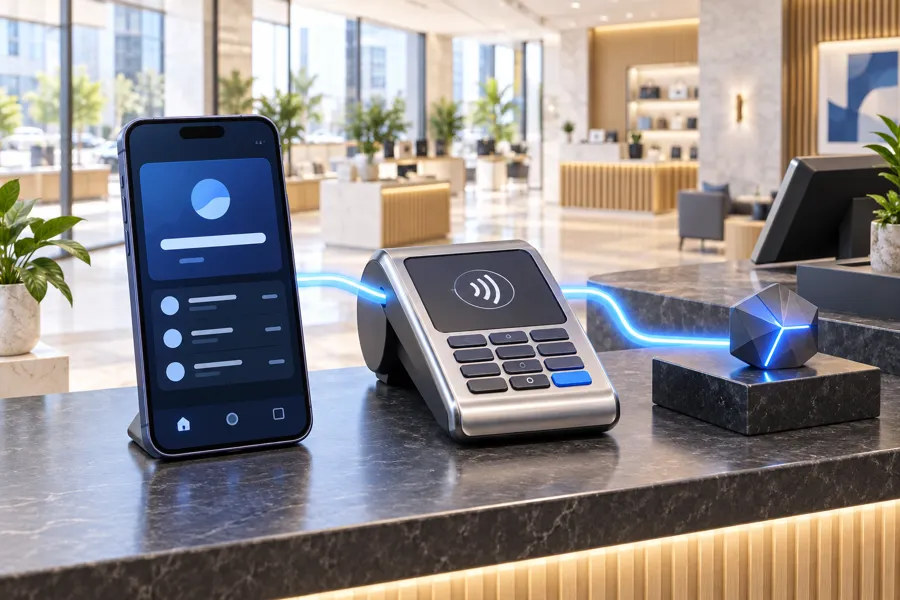
Banks, card networks and merchants are turning crypto access into accounts, checkout flows, payment cards and wallet features that fit familiar customer journeys.
Crypto adoption is reaching users through the products they already open each day: a banking app, a checkout screen, a card or a wallet. Nu paired U.S. banking access with a global account that uses USDC and EURC for conversion. Mastercard gave merchants one route into agent-led shopping, while MoneyGram and Wirex added card and settlement options around stable-value assets. BitBox put Lightning payments inside its existing backup model. The European Central Bank also asked online and mobile merchants to test a future digital-euro payment rail. These events cover different assets and jurisdictions, yet each tackles the same operating question: can a customer or merchant use a new payment method without rebuilding the rest of the transaction?
Nu Opens U.S. Banking and a USDC Global Account for Cross-Border Customer Balances

Nu entered U.S. banking through Lead Bank and introduced a global account that converts customer funds into USDC or EURC. The product combines banking access with a multi-currency account for customers who need to move value across borders, rather than asking them to open a separate crypto-only service first.
That structure puts stable-value assets inside a financial app that already handles deposits and transfers. Customers still need to understand the conversion terms, custody model and available corridors, but the account design lowers the number of steps between a local balance and an international payment. It also gives a practical example of how crypto finance services can sit beside standard banking tools.
Mastercard Opens Agent Connect as Payment Networks Build a Merchant Route for Approved AI Checkout

Mastercard launched Agent Connect, a service that gives merchants one integration for product discovery, cart creation and customer-approved payments across AI shopping platforms. Ant International, Visa and Mastercard also began work on common methods for identifying and monitoring agents that act inside payment flows.
For a merchant, the important detail is control. A retailer needs to decide how an automated buyer sees the catalogue, where it can create an order and which customer approval must precede checkout. A payment network needs an audit trail for the user, agent and permissions. Those same controls matter for a business that wants to accept crypto payments as a merchant through automated commerce rather than opening its checkout to an unknown software process.
MoneyGram Launches a Colombian Stablecoin Card as Wirex Adds Tempo Settlement for Enterprise Programs
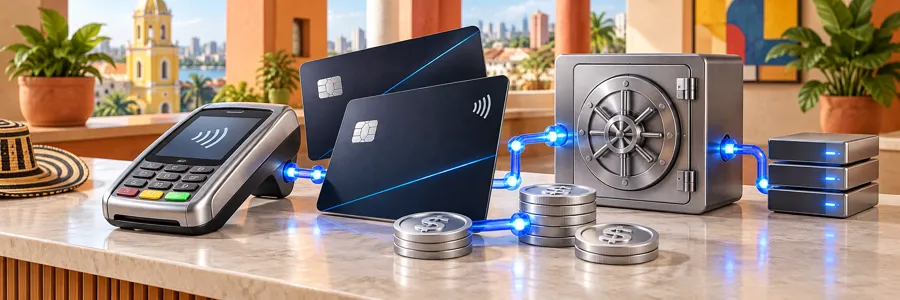
MoneyGram launched a stablecoin-backed Visa card in Colombia with Rain, beginning with a digital rollout that supports wallet payments and cash pickup. Wirex also integrated Tempo as a settlement option for enterprise stablecoin-card programs, offering a route designed around fast finality and stablecoin-denominated fees.
Both launches focus on the step after funds reach a wallet: spending them. A card program can make a digital balance work at a familiar terminal, while its issuer handles conversion, card-network rules and settlement in the background. That is why crypto cards matter to adoption. They give merchants a standard acceptance surface and let customers use a payment method without asking each store to add a new direct wallet integration.
BitBox Adds a Lightning Wallet and Lets Hardware-Wallet Users Keep Their Existing Backup
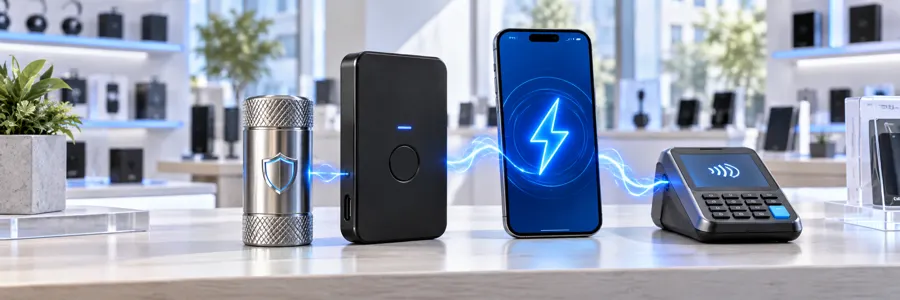
BitBox added a self-custody Lightning hot wallet to BitBoxApp without requiring customers to write down another recovery phrase. Hardware-wallet users can make faster Bitcoin payments while relying on their existing backup arrangement.
The feature addresses a common friction point in wallet adoption. A user who keeps long-term holdings in cold storage often treats small daily payments as a separate system with its own setup and recovery process. Joining Lightning to the existing wallet experience makes that path easier to test, while still requiring customers to understand the different risk profile of a hot-payment balance. It also gives crypto wallets a clearer role in everyday spending instead of asset storage alone.
European Central Bank Invites Online Merchants to Test Digital-Euro Payments Ahead of a 2027 Pilot

The European Central Bank invited e-commerce and mobile-commerce merchants in the euro area to join a 12-month digital-euro pilot due to begin in the second half of 2027. The test will cover online, mobile, in-store and peer-to-peer payment flows before any possible issuance in 2029.
The digital euro is not a cryptocurrency, but the pilot is relevant to merchants that evaluate new digital payment rails. A retailer will need to test checkout integration, refunds, reconciliation and support before a new method can become routine. Those are the same operational questions that shape adoption for crypto payment gateways and for shops accepting cryptocurrency: payment choice only helps when the business can operate it alongside cards, bank transfers and existing accounting systems.
