
 English
 Français
 Español
 Português
 BTC
BTC
 ETH
ETH
 LTC
LTC
 BCH
BCH
 USDT
USDT
 DOGE
DOGE
 DASH
DASH
 USDC
USDC
 XRP
XRP
 XMR
XMR
 TRX
TRX
 BNB
BNB
 SHIB
SHIB
 SOL
SOL
 DAI
DAI
 ZEC
ZEC
 ETC
ETC
 POL
POL
 ADA
ADA
 XLM
XLM
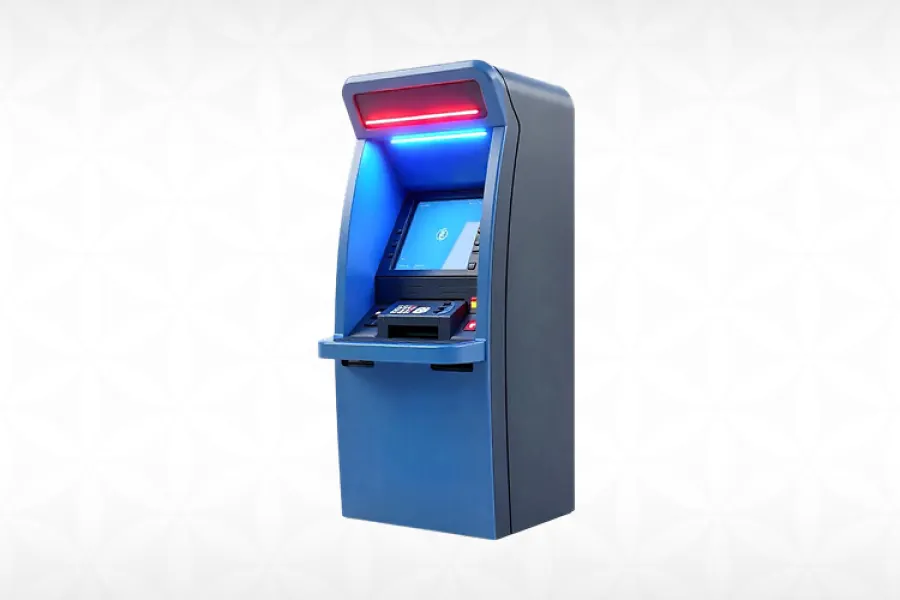
The cryptocurrency access infrastructure market stands at a significant inflection point. Physical crypto access points—often called Bitcoin ATMs or kiosks—have quietly established a substantial global footprint while evolving beyond their original conception.
This specialized segment reveals broader patterns in how digital assets integrate with established financial systems, highlighting both technological maturation and persistent adoption challenges.
"The bitcoin ATM market is projected to grow to $16.85 billion by 2033," explains Neil Bergquist, CEO of cryptocurrency exchange Coinme. This projection reflects both current growth patterns and long-term technological trends reshaping physical-to-digital currency interfaces.
Market Dynamics: Growth Patterns and Regional Distribution
Recent data indicates accelerating market expansion after a brief contraction period. According to industry analysts, the global crypto ATM market was valued at $182.1 million in 2023 and is projected to grow at a compound annual rate of 63.4% through 2030. This trajectory suggests substantial unrealized potential despite the sector's decade-long presence.
Geographic distribution patterns reveal distinct adoption concentrations. The United States leads global deployment, hosting over 82% of cryptocurrency access machines worldwide. This concentration reflects both regulatory accommodation and established retail infrastructure.
Other regions demonstrate emerging importance. Australia has experienced particularly notable growth, with cryptocurrency access points increasing nearly seventeenfold over two years to 1,107 machines. At this rate, Australia could soon surpass Europe's total of 1,584 crypto ATMs. This geographic expansion suggests market maturation beyond early-adoption regions.
Strategic Approaches: Hardware Deployment vs. Software Integration
Within this expanding market, cryptocurrency access providers pursue distinctly different strategic models. The traditional approach—deploying proprietary hardware networks—contrasts with integrating cryptocurrency capabilities into existing retail kiosks and financial service points.
Coinme exemplifies the integration approach. Rather than building standalone ATM networks, the company has focused on developing software solutions that crypto-enable established retail touchpoints. Through partnerships with Coinstar and MoneyGram, Coinme has expanded its footprint to over 40,000 locations, with Bergquist noting that "there is a Coinme location located within roughly 5 miles for 90% of the American population.”
This strategy transforms existing retail infrastructure into cryptocurrency access points without requiring dedicated hardware investments. "'If you have a token and you want someone to be able to buy it, you're going to need to offer fiat payment processing to be able to purchase that token, and that's where Coinme comes in,” Bergquist says.
The integration model contrasts with competitors deploying standalone Bitcoin ATMs, which typically require higher capital expenditure and dedicated maintenance. Market data indicates over 66% of crypto ATMs currently function as one-way machines—allowing only cash-to-crypto purchases without cash withdrawal capabilities.
Use Case Analysis: Beyond Speculative Investment
Physical cryptocurrency access points serve diverse market functions beyond speculative trading. Bergquist identifies three primary use categories driving adoption: "cross-border remittances, crypto-native payments, and long-term investment.” These practical applications illustrate how cryptocurrency infrastructure addresses specific financial needs rather than merely facilitating speculation.
The remittance application presents particular traction potential. "There's $50 billion a year of cash that's sent from the United States to Latin America, and that's cash to cash, which is surprising," notes Bergquist. "Well, now you can put that cash into a Coinme location, get crypto and send that anywhere faster and cheaper than a lot of existing solutions.” This use case highlights cryptocurrency's functional utility for addressing inefficiencies in established financial channels.
Payment applications leverage cryptocurrency's inherent transaction characteristics. "Crypto has a lot of benefits to be used for payments because there's no chargeback risk, there's no Visa or Mastercard processing fees. It's faster and cheaper as a payment rail, especially because it's digitally native.” These structural advantages create potential merchant incentives, potentially driving further adoption.
Investment functionality appears increasingly relevant as demographic preferences evolve. According to Bank of America's 2024 survey of wealthy Americans, "28% of investors aged 21 to 43 see greater growth potential in crypto and digital assets, compared to just 4% of those 44 and older.” This generational divide suggests long-term adoption potential as younger investors gain market influence.
User Experience Factors: Trust and Accessibility
User experience considerations significantly influence market adoption rates for cryptocurrency access infrastructure. Physical access points address several persistent challenges in cryptocurrency onboarding.
Trust establishment represents a fundamental barrier for new cryptocurrency users. "We establish trust through the physical presence of a kiosk," says Bergquist. "We literally had customers in the early days say, 'Well, I know you're not going to steal my money, because then I'm going to steal your machine.” This tangible presence creates reassurance that digital-only exchanges may lack, particularly for cash-preferred customers.
Interface simplicity addresses technical barriers. "Anyone who has ever sent bitcoin or digital currency on-chain, I think, can agree that it's scary," Bergquist acknowledges. "You're entering in a 16-character alphanumeric phrase. You're copying and pasting it into a little box and then you're clicking confirm. And once you click confirm, there's no going back.” Physical access points that abstract this complexity lower adoption thresholds.
Education needs persist despite these improvements. "Every November we publish a survey assessing Americans' basic knowledge of crypto literacy," Bergquist explains. "We have a basic crypto literacy test and unfortunately a lot of people can't pass it.” This knowledge gap indicates that user experience innovations alone cannot fully address adoption challenges.
Regulatory Context: Compliance and Innovation Balance
The cryptocurrency ATM market operates within evolving regulatory frameworks that significantly influence deployment patterns and business models. Compliance requirements create operational parameters that shape competitive dynamics.
"Coinme prides itself on setting the industry bar when it comes to our focus on regulatory rigor and compliance," states Bergquist. "As governments pay more mind to crypto and provide more regulatory clarity, we embrace this as part of our customer relationship.” This compliance orientation represents both a philosophical stance and strategic positioning.
Regulatory clarity appears increasingly important for market growth. "We're seeing more positive trends and momentum over the last year," Bergquist observes. "I think we're at a point now where regardless of who wins in November, it'll continue to be positive and will be better than the current environment of ambiguity and headwinds from the [Securities and Exchange Commission].”
This evolving landscape creates different impacts across market segments. "When you deal with companies worth more than a billion dollars and already have a good thing going, they're less likely to take a potentially unnecessary risk," Bergquist notes. Smaller operators may accept higher regulatory uncertainty, potentially creating market structure implications.
Market Outlook: Growth Drivers and Inhibitors
Looking ahead, several factors will likely determine growth trajectories for cryptocurrency access infrastructure. Understanding these variables provides insight into potential market evolution patterns.
Integration with complementary financial services offers expansion potential. "For companies like Coinme, building the infrastructure now could position them to benefit from wider institutional adoption in the future. 'The transformation of crypto from a retail-focused market to an institutional technology layer may take time, but signs point to growing acceptance among traditional financial players.” This integration path suggests evolutionary rather than revolutionary adoption.
Bergquist characterizes this progression using a geological metaphor. "'Sometimes it's more like an iceberg than it is like an earthquake,' Bergquist says, reflecting on the pace of bitcoin ATMs and crypto more broadly. 'It takes time, slowly grinding its way into existence, and eventually changes the landscape over time.’” This measured perspective contrasts with more hyperbolic market narratives.
Recent regulatory developments indicate emerging institutional interest. "The SEC's approval of bitcoin exchange-traded funds in January 2024 marked a significant shift in the regulatory landscape. 'The bitcoin ETF received some of the largest capital inflows out of any ETF ever created,' Bergquist notes. 'That was a big turning point where everyone talked about institutional adoption coming. Well, here it is.’” Such milestones may accelerate broader cryptocurrency infrastructure adoption.
Conclusion: Infrastructure for Financial Evolution
The projected growth trajectory for cryptocurrency access infrastructure—potentially reaching $16.85 billion by 2033—reflects broader systemic changes in how physical and digital financial systems interact. Bitcoin ATMs and cryptocurrency kiosks represent tangible interfaces between established financial behavior patterns and emerging digital assets.
"Over the 10 years, we achieved an average annual revenue growth rate of 164%," notes Bergquist. "We've survived three crypto winters, growing to over 40,000 locations where we've crypto-enabled existing kiosks and ATMs. This pivot from hardware to software has helped us scale and become profitable.” This evolution illustrates how cryptocurrency infrastructure providers adapt business models to market conditions while maintaining core accessibility goals.
As physical cryptocurrency access points continue expanding globally, they may increasingly serve as bridges between traditional financial systems and digital assets rather than as disruptive alternatives. This integration approach—enhancing existing financial touchpoints with cryptocurrency capabilities—suggests a future where digital asset access becomes seamlessly embedded within familiar retail environments.
