
 English
 Français
 Español
 Português
 BTC
 ETH
 LTC
 BCH
 USDT
 DOGE
 DASH
 USDC
 XRP
 XMR
 TRX
 BNB
 SHIB
 SOL
 DAI
 ZEC
 ETC
 POL
 ADA
 XLM
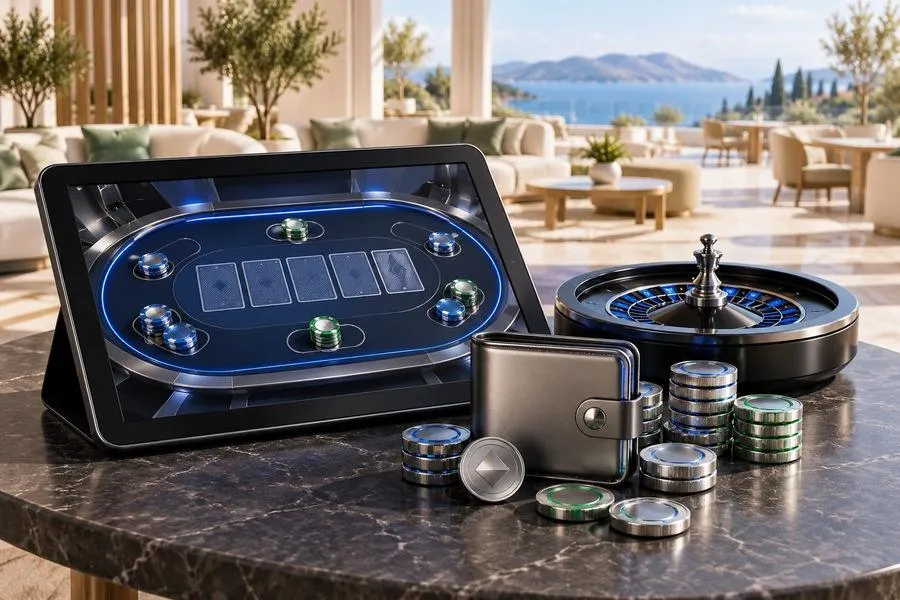
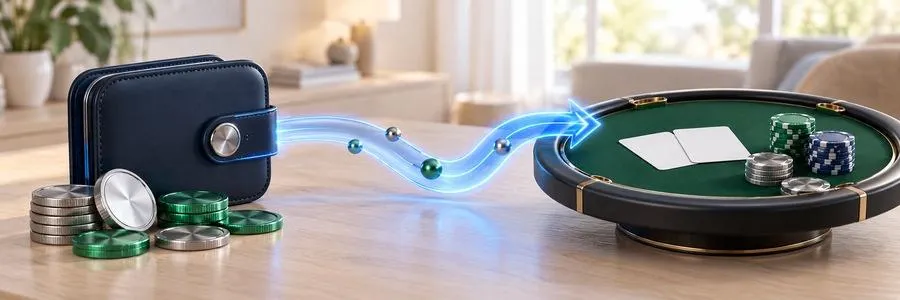
For a lot of crypto holders, coins like ETH, USDT, and SOL spend most of their lives sitting in a wallet, waiting for the next chart to move. But a growing slice of that audience is finding a different way to put those tokens to work after hours, and it runs through the live dealer side of crypto gaming. Sites like https://coinpoker.com/crypto-casino/ lean directly into this shift, bundling more than 2,000 games — slots, poker, and real-time dealer tables — with direct support for BTC, ETH, USDT, and SOL, a 150% welcome bonus plus 100 free spins, and a no-KYC approach that appeals to privacy-focused users. For someone who already keeps a mix of altcoins on hand, that setup turns idle holdings into something they can actually use for an evening of entertainment, dealt by a live host on camera rather than a plain software screen.
From Trading Screens to Dealer Screens
Spend enough time in crypto circles and a pattern becomes obvious: the thrill people chase on exchanges and the thrill they chase at a gaming table come from the same place. Both involve uncertainty, a bit of nerve, and the small rush of watching an outcome land in real time. That overlap is part of why researchers have started treating these worlds as connected. One study on gamblified financial assets examines how crypto trading and crypto-based gaming share psychological wiring, and why the line between the two has blurred for many users.
Live dealer games sit at the natural meeting point. Instead of a random number generator spitting out results, a human dealer shuffles, spins, and deals on a video stream. For altcoin holders used to staring at candlestick charts all day, there's something refreshing about an outcome they can watch unfold with their own eyes — no need to refresh a price feed or second-guess an order book.
Why Altcoins Fit Live Gaming So Well
The appeal isn't only about entertainment. It's also about practicality. Stablecoins like USDT solve the biggest headache in gaming: value swinging mid-session. A player can sit down at a blackjack table with a known balance in dollar terms, without worrying that a market dip erased part of their buy-in while they were playing.
Faster chains help too. SOL settles in seconds for pennies, which matters when someone wants to top up a table balance between hands rather than waiting on a slow confirmation. ETH remains the comfortable default for a huge chunk of the crypto audience, and BTC still carries the trust factor for anyone who prefers to move the original coin. Having all four accepted side by side means a user can tap whichever token happens to be sitting in their wallet instead of converting first — a small convenience that adds up over many sessions.
This is also where the directory world and the gaming world connect. Crypto users who already browse listings of merchants, payment gateways, and services accepting digital currency tend to see live dealer gaming as one more place their coins are genuinely spendable, not just tradable.
A Sector Growing Faster Than Most Expect
The momentum here is real, and the numbers back it up. Analysts tracking on-chain activity have noted that crypto gaming is now one of the fastest-growing sectors, pulling in billions in a single quarter even while broader markets cooled off. That resilience says something interesting: when prices slump and trading gets stressful, a portion of users shifts their coins toward entertainment instead of pulling out of crypto entirely.
Live dealer formats are a big reason for that staying power. Pure slots can feel repetitive after a while, and fully automated tables lack atmosphere. A real dealer adds pacing, personality, and a social layer — someone to react to a winning hand, a human voice calling the game. It's closer to the feel of a physical room, delivered straight to a laptop or phone.
How People Actually Spend the Time
Picture a typical evening for an everyday altcoin holder. The workday is done, the markets are closed in spirit if not in fact, and there's a wallet with some USDT and a little SOL that isn't doing anything productive. Rather than opening yet another exchange tab, they load a live table, join a session, and spend an hour at roulette or baccarat with a dealer greeting players by their screen names.
The experience fills the same slot in a routine that a streaming show or a video game might. It's leisure, measured in minutes rather than market cycles. And because the money moves on-chain, deposits and cash-outs feel familiar to anyone who already sends crypto regularly — no new banking relationship to set up, no card details to hand over.
Keeping It Balanced and Low-Stress
Of course, the same uncertainty that makes it entertaining is the uncertainty that calls for a steady head. Analysis of cryptocurrency-based casino blockchain data has looked closely at how people behave when crypto and gaming mix, and the sensible takeaways are the ordinary ones: set a budget before sitting down, treat any buy-in as entertainment spending rather than an investment, and step away when the session stops being fun.
For most users, that framing keeps things healthy. The point of a live dealer evening isn't to chase a coin's next move — it's to enjoy an hour where the chart doesn't matter and the dealer is already dealing.
A Natural Next Step for Everyday Holders
The rise of live dealer crypto gaming reflects a bigger truth about where digital assets are heading. Coins once seen purely as trading instruments are quietly becoming spending tools for real experiences. For holders who already use crypto to pay for hosting, travel, or a coffee, sitting down at a live table with the same tokens feels less like a leap and more like the obvious next thing to try — a way to enjoy altcoins that has nothing to do with the chart at all.
