
 BTC
BTC
 ETH
ETH
 LTC
LTC
 BCH
BCH
 DOGE
DOGE
 USDT
USDT
 DASH
DASH
 USDC
USDC
 XRP
XRP
 XMR
XMR
 TRX
TRX
 BNB
BNB
 SHIB
SHIB
 SOL
SOL
 DAI
DAI
 ZEC
ZEC
 ETC
ETC
 POL
POL
 ADA
ADA
 XLM
XLM
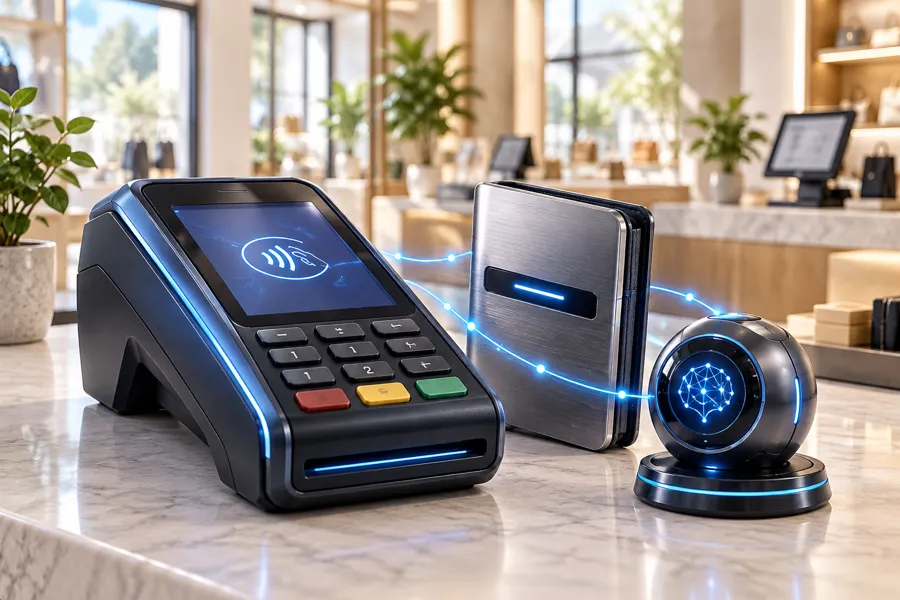
This week's payment launches move from cards and wallets to hotel checkout and AI-initiated transactionsu2014but several remain limited to pilots or selected users.
Crypto payments do not follow one route. A traveler may use a card that converts exchange-held assets at checkout, while a hotel guest may authorize an agent to pay from a wallet. Institutions need cash to clear outside banking hours, and people who borrow against Bitcoin need to know who controls the collateral and when it can be liquidated. The announcements this week cover each of those steps. Gate has announced a planned Visa card, Payward has connected to an always-on bank settlement network, Telegram's GRAM wallet has widened its reach, and Ledger has added an in-app loan path. Travala has moved agent-assisted hotel booking into a live product. HSBC and Ant Digital Technologies have completed a technical test, while Coinbase has published evidence that AI fraud models require careful evaluation before replacement. Availability and maturity differ sharply across these products.
Gate and Visa Plan Crypto Card Rollout Across More Than 40 Markets

Gate announced a partnership with Visa on October 8 to introduce a crypto-linked card in more than 40 markets. The card is a planned rollout, not evidence that customers in all those places can apply today. At checkout, eligible crypto held through Gate would be converted into fiat for an ordinary Visa purchase.
Gate says users will be able to apply for and manage the card in its app. The company has not given one universal launch date or set of eligibility rules; supported assets and locations depend on the product's regional terms. For the buyer, the practical point is familiar card acceptance rather than a merchant directly handling tokens. It adds another route from a crypto balance to the crypto cards people can use in shops.
Payward and Singapore Gulf Bank Open 24/7 Dollar Settlement for Selected Institutions

Payward integrated Singapore Gulf Bank's SGB Net, giving selected institutional clients in approved jurisdictions a way to settle US dollar transactions at any hour. The October 5 announcement describes a live connection, initially for a limited client group, with more customers and currencies planned later.
The bank's clearing network lets a client fund a Payward account without waiting for the next banking window. Singapore Gulf Bank is also adding Kraken Prime as a source of digital-asset liquidity. This is not a consumer card or an open global payment service: its immediate value lies in shortening the cash leg for institutions that trade around the clock. For crypto finance services, faster fiat movement can reduce the gap between a funded account and an executable transaction.
Telegram Money Expands Self-Custodial GRAM Wallet for Transfers and Collectibles

Telegram is widening access to Money, its self-custodial GRAM wallet inside the messaging app, giving users a place to receive and send GRAM and buy related collectibles. The Walt team's announcement describes a wallet that appears after a first incoming transfer; it is separate from the Walt app, so the two products should not be treated as one service.
The transfer model matters more than the branding. A person can receive a token in a familiar chat setting instead of first creating an account with a separate exchange. That does not remove the need to safeguard keys or check token and network details before sending money. It does show how crypto wallets can move closer to a tool people already use, though it is not a claim that every Telegram user has the feature.
Ledger Adds Bitcoin-Backed Stablecoin Loans Inside Its Wallet

Ledger added an in-app crypto loan flow through Morpho and Yield.xyz, letting eligible users pledge wrapped Bitcoin or cbBTC and borrow USDC or USDT. The company described the feature in its October 2026 wallet release. Borrowers can monitor loan-to-value, add collateral, repay or simulate a loan before confirming it with a Ledger signer.
The collateral remains in on-chain lending contracts rather than becoming a bank deposit. That distinction does not make the loan risk-free: rates are variable, liquidation is possible, and the feature is unavailable in some countries. The adoption angle is the integration of lending into an existing wallet workflow, with hardware confirmation of contract actions. Borrowed USDC could be spent or transferred without selling the underlying Bitcoin exposure, but the user still bears the debt and collateral risk.
Travala, BNB Chain and Binance Pay Launch AI Hotel Booking From a Wallet
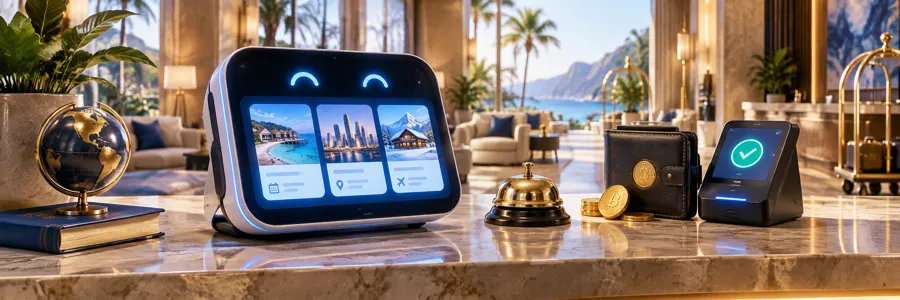
Travala launched a native AI travel agent with BNB Chain and Binance Pay on October 8. A traveler can search and book hotels through the agent using a funded BNB Smart Chain wallet. Travala supplies the inventory, BNB Chain supplies the agent-payment framework, and Binance Pay handles settlement.
The customer funds a self-custody address with USDT, chooses a hotel, and signs a Permit2 authorization before the payment completes. Travala says its hotel inventory is available through this booking route; flights are a future addition, not part of this launch. The transaction still requires a defined wallet balance and authorizationu2014it is not an agent with unrestricted access to someone's funds. For travel services accepting crypto, this is a concrete example of an AI interface connected to a real merchant checkout.
HSBC and Ant Digital Technologies Test AI-Agent Micropayments With Tokenized Deposits

HSBC and Ant Digital Technologies completed a technical verification test in which an AI agent discovered a digital service, used it, and settled a small payment. The October 9 test combined HSBC's Tokenised Deposit Service, Ant's Anvita Flow and the Jovay testnet. It was a controlled experiment, not a commercial launch for customers.
HSBC supplied settlement capability and real-time risk checks through an MCP interface; Jovay supplied the test environment. The experiment addressed a practical bottleneck: a software agent needs a way to pay for a low-cost service while staying inside payment controls. It does not yet establish pricing, availability or merchant acceptance at scale. For AI crypto services, the useful result is a tested payment sequence rather than another proposal without a transaction.
Coinbase Benchmarks Its Fraud Agent and Finds Newer Models Can Miss More Fraud
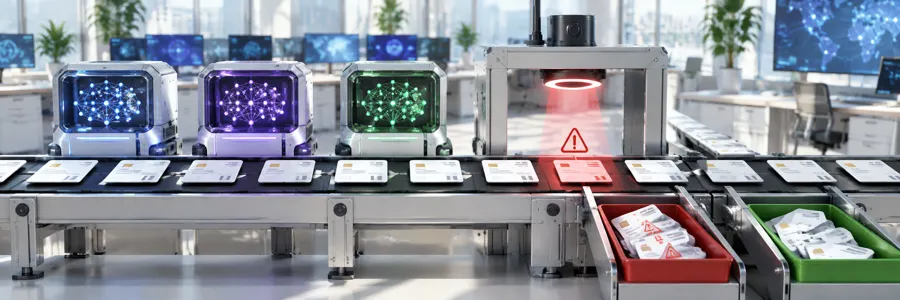
Coinbase published a benchmark of its fraud-decision agent on October 7, replaying 16,140 historical transactions from 7,293 users, including 813 confirmed fraud cases. In all three model-family comparisons it reported, the newer version had lower recall, F1 and dollar-weighted recall than the earlier one. These are offline test results, not a report of new fraud losses among live customers.
The distinction matters for any system that automates a payment decision. A model can seem generally more capable while missing more fraudulent transactionsu2014or more fraudulent valueu2014on the task that actually matters to a payment provider. Coinbase kept the decision policy and transaction cohort fixed so the model variants could be compared on the same evidence. As crypto payment gateways and agent-facing services automate more steps, such tests are a reminder that an upgrade needs transaction-level validation, not just a newer model number.