
 BTC
BTC
 ETH
ETH
 LTC
LTC
 BCH
BCH
 DOGE
DOGE
 USDT
USDT
 DASH
DASH
 USDC
USDC
 XRP
XRP
 XMR
XMR
 TRX
TRX
 BNB
BNB
 SHIB
SHIB
 SOL
SOL
 DAI
DAI
 ZEC
ZEC
 ETC
ETC
 POL
POL
 ADA
ADA
 XLM
XLM
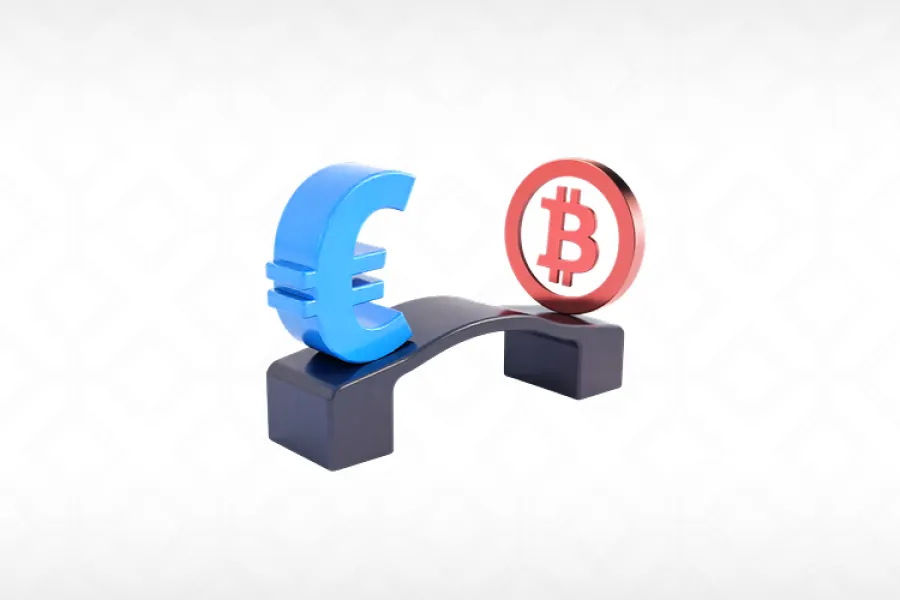
Crypto is often sold as simple: send value from one crypto wallet to another and you’re done. The reality is messier. Most payment friction happens before you ever hit “send,” when you realize you’re holding one asset and the recipient accepts another, or they accept it only on a specific network.
That mismatch is now so common that swaps have started to function less like a trader tool and more like a “last-mile” utility that helps people complete payments smoothly.
For readers, the practical question is not whether swaps are exciting. It’s whether they make life easier at the point of purchase, subscription, donation, or invoice.
The mismatch problem is the normal case
No single crypto asset works everywhere. Some coins are widely accepted, others are chosen for lower fees, and some users prefer privacy-oriented assets for specific types of spending. Merchants and services keep acceptance lists short to avoid accounting complexity and operational risk. A shop might accept bitcoin lightning and nothing else, which is fine right up until the customer is holding something different. Users keep portfolios simple for the same reason. When those choices don’t line up, payments stall.
In that moment, swapping is usually not about speculation. It’s about converting what you already have into what you need right now, without turning a quick transaction into an “open an exchange account, move funds, wait, withdraw” experience.
You see this particularly clearly with conversions between commonly held assets and privacy-focused ones. A direct swap route like ltc to xmr exists for a reason: people often want a straightforward way to move between different “payment preferences” without juggling multiple platforms.
How wallet-to-wallet swaps usually work
Most instant swap services follow a similar flow. You choose the asset you’re sending and the asset you want to receive, enter a destination wallet address for the payout, then send the input asset to the provided deposit address. After network confirmations, the service delivers the output asset to your destination address.
A quick checklist that prevents most problems
Most swap “horror stories” are not about dramatic hacks. They are about avoidable mistakes and mismatched expectations. Before you swap, a short checklist helps:
Double-check the destination address format for the asset you want to receive
Confirm minimum amounts and avoid trying to swap tiny dust balances
Expect confirmations to take time, especially during congestion
Use the correct network when an asset has multiple versions or chains
Save the transaction hash so you can track progress or contact support if needed
This is boring advice, but it works. If you do these five things, you avoid most common failures.
What to expect in real life: timing, rates, and occasional checks
Even the cleanest swap experience can run into delays, and it helps to know the usual causes so you don’t panic.
Common reasons a swap takes longer than expected:
Network congestion slows confirmations
The sent amount arrives below a minimum threshold
A user sends from a source that adds withdrawal delays
The market moves quickly and the quoted rate changes under a floating-rate model
Rates deserve special attention. Some swaps use a floating rate, meaning the final output reflects market conditions during processing. Others offer fixed-rate options, typically with different fee mechanics. Neither is inherently “better”; the important part is understanding which applies before you send funds.
Finally, “no registration” does not always mean “no checks.” Many swap services aim for a simple flow, but still maintain compliance policies that may trigger verification in edge cases. This is not something most users hit often, but it can happen, and it is better to think of it as a possibility rather than a shock.
Final takeaway
Swaps are increasingly a convenience layer for real-world crypto usage. They help people bridge the gap between what they hold and what they need for a specific payment, especially in an ecosystem where acceptance is fragmented and preferences differ.
If you treat swaps like a practical tool, not a get-rich feature—verify addresses, understand timing, and know how rates behave—they can be one of the easiest ways to turn “I have crypto” into “I just paid” with minimal friction.