
 English
 Français
 BTC
BTC
 ETH
ETH
 LTC
LTC
 BCH
BCH
 DOGE
DOGE
 USDT
USDT
 DASH
DASH
 USDC
USDC
 XRP
XRP
 XMR
XMR
 TRX
TRX
 BNB
BNB
 SHIB
SHIB
 SOL
SOL
 DAI
DAI
 ZEC
ZEC
 ETC
ETC
 POL
POL
 ADA
ADA
 XLM
XLM
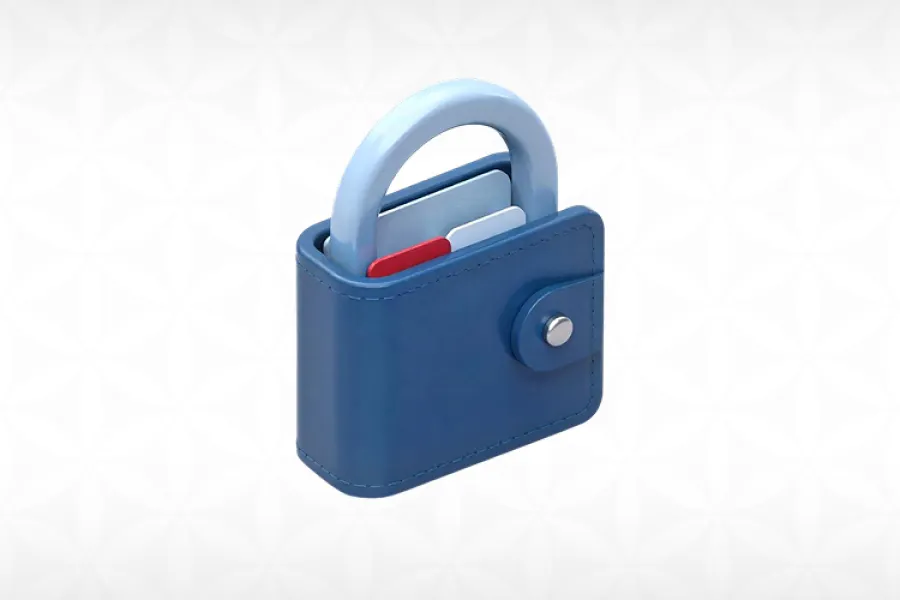
The world of cryptocurrency is evolving rapidly, and so is the technology behind wallet security. As hackers develop increasingly sophisticated methods to exploit vulnerabilities, staying ahead of security trends is essential for anyone managing digital assets. Wallet security has progressed significantly, moving beyond simple private keys to incorporate multi-factor authentication, biometric security, and decentralized solutions. But are you keeping up with these advancements?
The Early Days of Crypto Wallet Security
When Bitcoin and other cryptocurrencies first emerged, wallet security was relatively basic. Early users relied on private keys—long, complex strings of characters—to access their funds. While these keys provided strong security, they were difficult to manage, leading to many cases of lost or stolen funds due to poor storage practices.
Common Security Challenges in Early Wallets
- Key Mismanagement: Many users stored private keys insecurely, often writing them on paper or saving them in unencrypted digital files.
- Exchange Hacks: As centralized exchanges grew in popularity, many investors stored their funds online, exposing them to cyberattacks and exchange breaches.
- Phishing Attacks: Hackers frequently created fake websites and deceptive emails to trick users into revealing their wallet credentials.
Advancements in Wallet Security
To counter these threats, wallet security has evolved significantly. Today, users have access to more advanced security features that reduce risks and enhance usability.
1. Hardware Wallets and Cold Storage
One of the biggest advancements in wallet security was the introduction of hardware wallets, which store private keys offline, protecting them from internet-based threats. Cold storage methods have become the preferred choice for long-term crypto holders who prioritize security over convenience.
2. Multi-Factor Authentication (MFA)
Modern wallets now offer multi-factor authentication (MFA), requiring users to verify their identity through multiple steps. This can include:
- One-time passwords (OTP) sent to email or phone
- Biometric authentication like fingerprint or facial recognition
- Authenticator apps for an added security layer
3. Smart Contract Wallets and Account Abstraction
With the rise of decentralized finance (DeFi), smart contract wallets have emerged as a powerful alternative to traditional wallets. These wallets use programmable security features like spending limits, recovery options, and multi-signature approvals.
The Rise of Decentralized Wallets
As more users become aware of the risks associated with centralized exchanges and custodial wallets, decentralized wallets are becoming the standard. These wallets offer users complete control over their private keys, eliminating the need for third-party oversight.
Key Benefits of Decentralized Wallets
- Greater Security: Users maintain full control over their assets, reducing the risk of exchange hacks.
- Privacy Protection: Decentralized wallets do not require personal information for access.
- Censorship Resistance: Unlike centralized platforms, decentralized wallets cannot freeze or seize funds.

Future Trends in Wallet Security
As crypto adoption grows, so do innovations in wallet security. Here are some trends shaping the future:
1. Biometric and Passwordless Authentication
Traditional passwords are gradually being replaced by biometric security such as retina scans, fingerprint recognition, and facial authentication. This shift significantly reduces the risk of phishing and brute-force attacks.
2. Zero-Knowledge Proofs (ZKPs) for Enhanced Privacy
Privacy remains a major concern in the crypto space. Zero-knowledge proofs (ZKPs) are an emerging technology that allows transactions to be verified without revealing sensitive data. StarkNet integrates ZKPs to enhance blockchain security and efficiency.
3. AI-Powered Fraud Detection
Artificial intelligence (AI) is being used to detect and prevent fraudulent activities in real time. AI-driven security tools can analyze transaction patterns and flag suspicious behavior before an attack occurs.
4. Social Recovery Mechanisms
One challenge with crypto wallets is the risk of losing private keys. Social recovery allows users to assign trusted contacts who can help them regain access to their wallets if credentials are lost.

Are You Keeping Up?
As wallet security continues to evolve, staying proactive is the key to protecting your assets. Cyber threats are becoming more sophisticated, making it crucial to adopt the latest security measures. Whether it’s using cutting-edge hardware wallets, leveraging smart contract innovations, or exploring What is StarkNet for enhanced security, taking control of your digital assets today can prevent costly mistakes tomorrow. The future of crypto security is being built now—will you be ahead of the curve or left behind?