
 BTC
BTC
 ETH
ETH
 LTC
LTC
 BCH
BCH
 DOGE
DOGE
 USDT
USDT
 DASH
DASH
 USDC
USDC
 XRP
XRP
 XMR
XMR
 TRX
TRX
 BNB
BNB
 SHIB
SHIB
 DAI
DAI
 SOL
SOL
 ZEC
ZEC
 ETC
ETC
 POL
POL
 XLM
XLM
 ADA
ADA
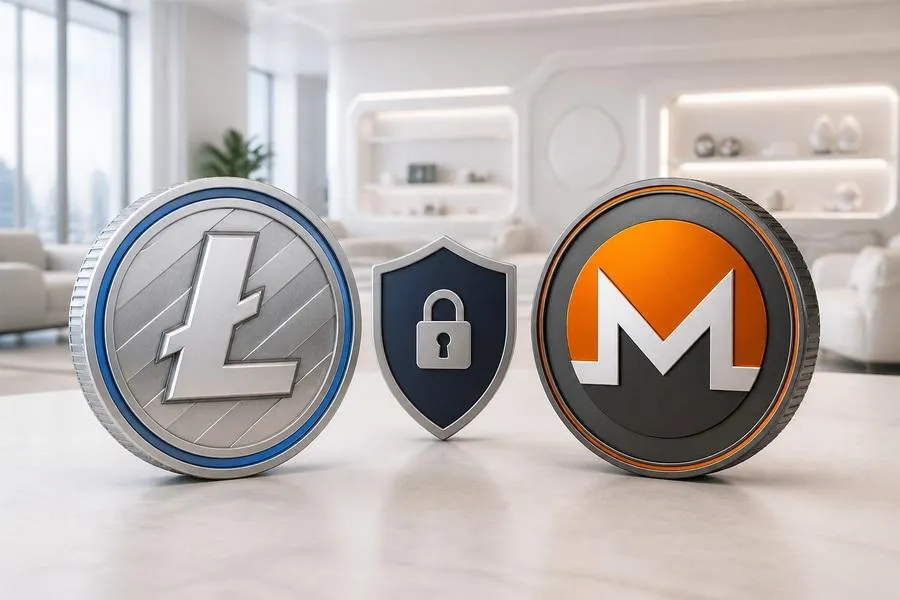
Someone finishes a long shift, drops onto the couch, and decides a bit of light entertainment is in order. They open a favorite crypto wallet, glance at the balance, and pause on a familiar fork in the road: send Litecoin or send Monero? Both coins sit in the same wallet, both move fast, and both are widely accepted across the sites listed in crypto spending directories. Yet they behave very differently once privacy enters the picture, and that difference shapes how comfortable a person feels tapping "deposit."
That comfort matters most to people who value discretion. The whole appeal of privacy-first gaming is playing without handing over a passport scan or a utility bill, which is exactly why curated guides to no kyc casinos have become such a useful reference point for crypto users. These guides rank sites that skip identity verification entirely, focus on anonymous play, quick crypto deposits and cash-outs, and clear notes on which coins each site supports. For anyone weighing Litecoin against Monero, that kind of review guide answers the practical question first: does the site even accept the coin, and how anonymous does the experience stay from deposit to withdrawal? Knowing that before funding an account saves headaches later.
Two Coins, Two Philosophies
Litecoin has been around since the early days of altcoins, often described as the silver to Bitcoin's gold. It's fast, cheap to send, and reliable — a workhorse that merchants and gaming sites have trusted for years. Because it runs on a transparent public ledger, anyone with the transaction ID can trace a Litecoin payment from one address to another. That transparency is great for auditability, less great for someone who wants their leisure spending to stay entirely off the radar.
Monero takes the opposite approach. It was built from the ground up around privacy, using ring signatures, stealth addresses, and confidential amounts to obscure who sent what to whom. Look up a Monero payment on a block explorer and the useful details simply aren't there. For a player who treats discretion as a baseline rather than a bonus, that design does the heavy lifting automatically, without any extra tools or juggling.
Speed, Fees, and Everyday Convenience
For casual play, the practical details often decide the winner. Litecoin confirmations are quick, fees are tiny, and support is nearly universal across crypto-friendly gaming sites and payment gateways. Someone who already holds LTC from a previous purchase — maybe a hotel booking or a gift card bought through a crypto directory — can move funds in seconds and start playing without a second thought. Wide acceptance means fewer moments of staring at a cashier screen wondering whether the coin will even show up as an option.
Monero moves at a steady clip too, though its network confirmations can feel slightly slower and its fees fluctuate with usage. The bigger friction point is availability. Not every site supports it, partly because some exchanges have grown cautious about listing privacy coins. Anyone leaning toward Monero benefits from checking coin support in advance, which is another reason those directory-style review pages earn their keep. When a site does support it, the payoff is a level of built-in privacy that Litecoin can't match on its own.
Where Privacy Actually Lives
There's a useful distinction between a coin that's private by default and one that can be used privately with effort. Monero belongs to the first camp. A Litecoin user chasing similar discretion would need to lean on additional habits — fresh addresses, coin mixing services, careful separation of funds. That's doable, but it asks more of the person. The broader field of privacy-focused Cryptocurrency tools exists precisely because so many popular coins broadcast more than their owners realize, and understanding those tradeoffs helps a player pick the coin that fits their comfort level.
It's worth remembering that no-KYC gaming already removes one enormous data trail: the identity check itself. When a site never asks for a name, the on-chain trail becomes the main remaining question. For someone using Litecoin, that trail is visible but not tied to their identity by the site. For someone using Monero, the trail is obscured on both ends. Both can support anonymous play; they just get there by different routes.
Matching the Coin to the Moment
Choosing between the two often comes down to what a person actually wants from the session. A player who prioritizes speed, broad acceptance, and low fees — and who is comfortable with transparent transactions — will find Litecoin a smooth, dependable pick that works almost everywhere. Someone whose top priority is keeping every trace of their leisure spending private will gravitate to Monero and accept the tradeoff of narrower support.
Plenty of crypto users keep both on hand and switch based on the situation. Litecoin becomes the default for quick, casual deposits where privacy isn't the main concern, and Monero comes out when discretion is the whole point. Watching balances on a coin price tracker, funding through a trusted gateway, and confirming coin support through a review guide all fold into the same routine.
The Takeaway for Privacy-First Players
Neither coin is objectively better — they simply answer different needs. Litecoin offers convenience and reach; Monero offers privacy baked into the protocol. For anyone building a discreet, verification-free gaming habit, the smart move is to know both coins' strengths, confirm which one a given site accepts, and let the priority of the moment guide the choice. That way the fork in the road stops feeling like a dilemma and starts feeling like flexibility.