
 BTC
BTC
 ETH
ETH
 LTC
LTC
 BCH
BCH
 DOGE
DOGE
 USDT
USDT
 DASH
DASH
 USDC
USDC
 XRP
XRP
 XMR
XMR
 TRX
TRX
 BNB
BNB
 SHIB
SHIB
 DAI
DAI
 SOL
SOL
 ZEC
ZEC
 ETC
ETC
 POL
POL
 XLM
XLM
 ADA
ADA

Crypto payment adoption is moving through cash ramps, licensed stablecoin infrastructure and cards that work at ordinary checkouts.
The latest payment stories show a split picture. Merchant acceptance is still limited in Europe, yet the rails connecting wallets, cash locations, card programmes and regulated stablecoin providers are widening quickly. MoneyGram, Stripe-owned Bridge, Tether and Gemini each represent a different operational part of that shift.
ECB Finds Crypto Payments Still Rare at Euro-Area Merchants Despite Growing Digital Checkout Use

The European Central Bank has found that crypto acceptance accounted for just 0.2% of online merchant payments in the euro area and remained below 1% at physical points of sale. The result is a useful reality check: payment infrastructure can improve rapidly while direct crypto checkout remains a specialist option for most merchants.
For businesses that want to accept crypto payments as a merchant, the immediate opportunity is usually not replacing card checkout wholesale. It is adding a regulated option for customers who already hold crypto, then settling in the currency and workflow the business can operate. The ECB’s wider payments work also shows why familiar digital checkout experiences still matter: cards and mobile methods have become the default benchmark for adoption.
MoneyGram Opens Solana Cash Ramps and Connects Wallets to Its Global Cash Network

MoneyGram has expanded its Ramps service to Solana, giving wallets and applications a route between USDC balances and cash access through its global network. The service brings a practical on-ramp and off-ramp to a chain used by many consumer wallets, rather than asking users to rely entirely on exchange withdrawal flows.
MoneyGram Ramps says its infrastructure connects wallets to cash in more than 170 countries, with compliance, identity checks and settlement handled through one integration. That matters for crypto wallets: a wallet becomes more useful when users can convert a stablecoin balance into local cash, and return to digital value, without stitching together several services.
Stripe’s Bridge Secures EMI Authorization and Adds a Regulated Route for European Stablecoin Payments
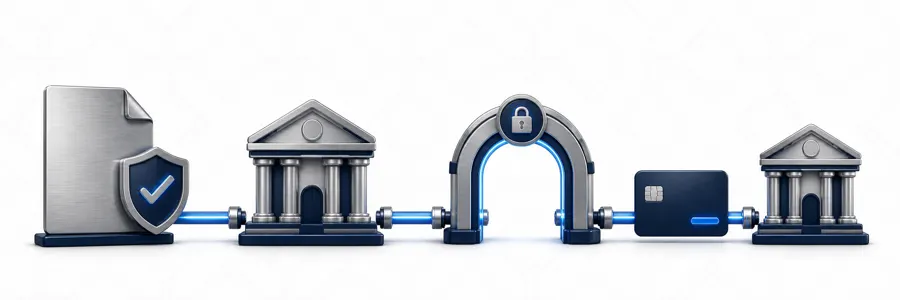
Stripe-owned Bridge has secured electronic-money authorization under MiCA, giving its stablecoin payment infrastructure a regulated route for European operations. The approval shifts the story from a developer API alone to an infrastructure provider that can build payments around licensing, compliance and established fiat rails.
Bridge already presents its product as a way to connect stablecoin settlement with payment flows, including bank and payout rails. Its orchestration APIs are designed to embed stablecoin payments into an existing flow of funds. For businesses evaluating crypto payment gateways, this is the direction to watch: stablecoins become easier to deploy when the same provider can address onboarding, conversion and regulatory controls.
Tether Completes a Full KPMG Audit and Raises the Transparency Bar for USDT Reserves
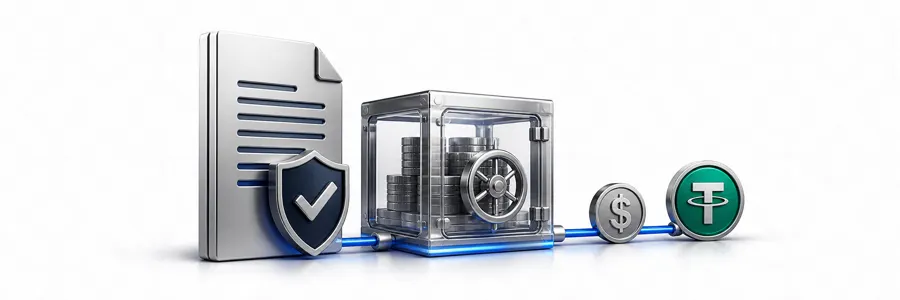
Tether has completed a full audit of its 2025 financial statements and received an unqualified KPMG opinion, a step beyond the attestations that previously shaped most discussion of USDT reserves. The audit gives payment partners, exchanges and treasury users a more formal basis for evaluating the largest stablecoin’s reserve reporting.
The adoption relevance is operational rather than promotional. A stablecoin used for payments needs counterparties to understand how reserves are reported, who is responsible for issuance and what redemption conditions apply. For merchants and payment firms that support USDT, stronger disclosure can reduce an important due-diligence barrier, although it does not remove the need to assess jurisdiction, liquidity and programme-specific risk.
Stablecoin-Linked Cards Cross $1 Billion in Monthly Spending and Move Balances Toward Everyday Checkout

Stablecoin-linked card spending exceeded $1 billion in a single month for the first time in July, according to the latest industry data. The milestone turns stablecoin payments from a settlement-only narrative into an observable pattern of ordinary card transactions across established merchant networks.
The figure does not mean that shops suddenly accept every token directly. In most card programmes, the provider manages conversion, authorisation and settlement behind the checkout. But that is precisely the adoption advantage: users can spend from a stablecoin balance where card acceptance already exists. The category is therefore increasingly relevant to people comparing crypto cards with traditional debit and prepaid products.
Gemini’s Credit Card Revenue Grows as Its Services Business Becomes Less Dependent on Spot Trading

Gemini reported that credit-card activity supported its services revenue even as spot-trading volume declined sharply in the quarter. The event shows a crypto business building recurring income from a product used in everyday payments instead of depending entirely on market activity and trading fees.
For cardholders, the important distinction is that a crypto card is not merely a reward feature attached to an exchange account. It can be a consumer acquisition and retention product with credit, fraud, rewards and repayment operations behind it. Gemini’s result illustrates why card growth must be measured alongside those costs, while also confirming that payments products can diversify a crypto company’s relationship with users.