
 BTC
BTC
 ETH
ETH
 LTC
LTC
 BCH
BCH
 DOGE
DOGE
 USDT
USDT
 DASH
DASH
 USDC
USDC
 XRP
XRP
 XMR
XMR
 TRX
TRX
 BNB
BNB
 SHIB
SHIB
 DAI
DAI
 SOL
SOL
 ZEC
ZEC
 ETC
ETC
 POL
POL
 XLM
XLM
 ADA
ADA
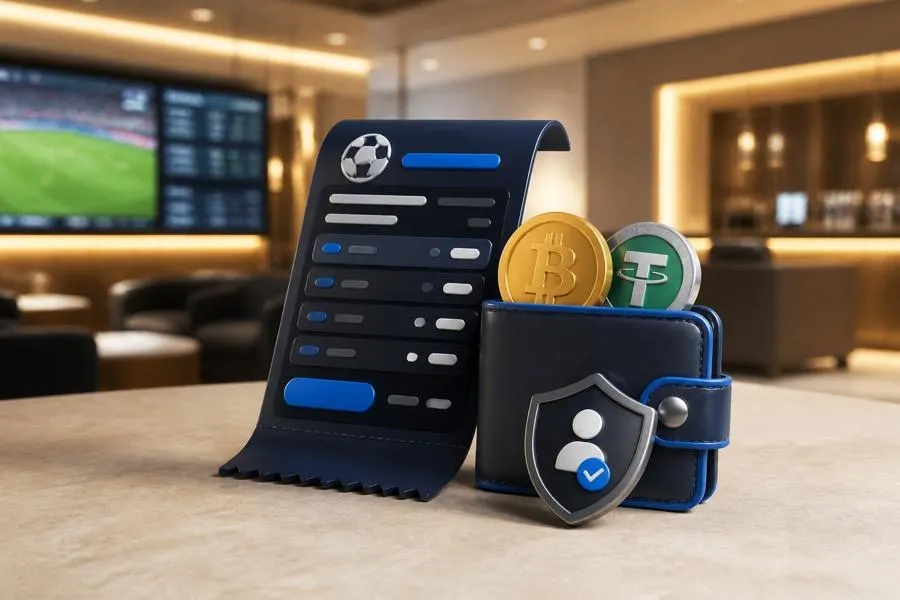
Directories like this one exist because "accepts crypto" turns out to cover a surprisingly wide range of actual setups once you look past the headline claim. A merchant taking Bitcoin for a physical product and a sportsbook taking Bitcoin for a wager are solving completely different problems, and betting platforms specifically have developed their own distinct pattern worth understanding before depositing anything.
What "No ID Checks" Actually Means on a Betting Platform
The phrase gets used loosely enough that it's worth being precise. Licensed crypto sportsbooks, even the ones marketed heavily around fast, document-free signup, remain subject to anti-money-laundering rules under whichever jurisdiction licenses them. What changes isn't whether identity verification ever happens — it's when. A wallet-based deposit lets betting start immediately, with identity checks typically deferred to the point of withdrawal rather than blocking account creation upfront. That's a genuinely different sequencing than a traditional sportsbook, not an absence of compliance altogether.
Platforms browsable under anonymous betting sites overwhelmingly follow this deferred-verification model rather than skipping identity checks entirely, and understanding that distinction matters more than the marketing copy on any individual site tends to suggest.
Image: Silver and black round emblem
The Currency Question: Bitcoin, Ethereum, or Stablecoins
Not every crypto-accepting bookmaker treats its supported currencies the same way, and the difference matters for anyone planning to bet regularly rather than make a single deposit.
Bitcoin and Ethereum deposits carry price volatility risk that has nothing to do with the bet itself — a bankroll's real-world value can shift meaningfully during an active betting session purely from market movement. Stablecoins (USDT, USDC) remove that variable entirely, letting a bettor know exactly what a fixed-unit stake is worth an hour into a session regardless of what's happening in the broader crypto market. That distinction has made stablecoin support close to a baseline expectation on serious platforms rather than a differentiating feature.
Wallet Setup: What You Actually Need Before Depositing
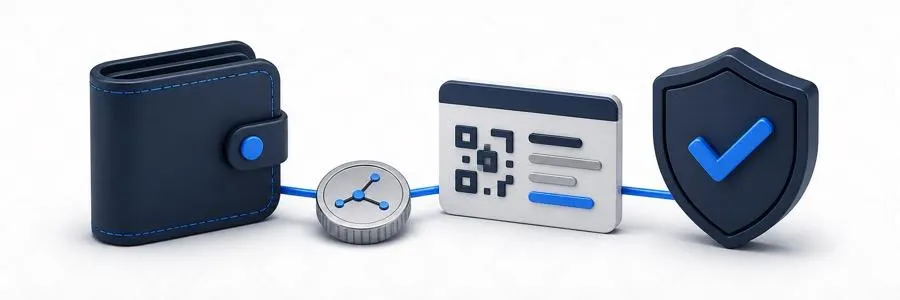
Getting a crypto-accepting bookmaker account funded correctly requires a few basics most experienced crypto users already have in place, but that trip up first-timers regularly.
A wallet capable of sending the specific currency the platform accepts — not every wallet supports every token, and a mismatch here is the single most common reason a deposit gets stuck or lost entirely.
Enough of the native network's gas token to cover a transaction fee, if the deposit runs on Ethereum or a similar network, since a stablecoin-only wallet with zero ETH can leave a transaction unable to confirm.
A double-checked deposit address, copied directly rather than retyped, given that a single mistyped character sends funds somewhere unrecoverable rather than to the intended account.
A basic understanding of network confirmation times, since a Bitcoin deposit generally takes longer to clear than a stablecoin transfer on a faster network, and platforms usually won't credit funds until confirmation completes.
None of these steps are complicated, but skipping any one of them is exactly how a deposit goes missing before a single bet gets placed.
Reading a Platform's Actual License Before Trusting the "Anonymous" Branding
A directory listing or marketing page calling a platform "anonymous" says nothing about whether that platform holds a real license behind the deferred-verification model. The only reliable check is looking up the license number directly on the relevant regulator's own public registry — Curaçao, Malta, or whichever jurisdiction the platform claims — rather than trusting a footer badge, which costs nothing to display regardless of whether the underlying license actually exists or covers that specific brand.
This check matters more for crypto-accepting bookmakers specifically than for most other crypto-merchant categories listed elsewhere in directories like this, since a betting platform holds player funds for an extended period between deposit and payout, unlike a one-time purchase where the transaction completes immediately.
Wallet Security Specifically for Casino and Betting Use
Cryptwerk's own guide to cryptocurrency wallets for casino gamers covers the wallet-selection side of this in more depth, including backup practices and password hygiene specific to accounts that will see frequent deposit and withdrawal activity rather than sitting untouched like a long-term holding wallet. That distinction matters: a wallet used actively for betting benefits from different security habits than one used purely for storage, since it's exposed to more frequent transactions and, by extension, more opportunities for a mistake.
The Practical Takeaway
Crypto-accepting bookmakers genuinely do remove a meaningful chunk of the friction traditional sportsbooks build into signup, and the deferred-verification model behind that speed is a legitimate technical sequencing choice rather than a compliance shortcut, at least on platforms holding a real license. The part worth treating with more scepticism than the marketing suggests is the word "anonymous" itself — what's actually on offer is faster, lower-friction access with identity checks moved to a different point in the process, not an absence of oversight altogether.