
 English
 Français
 Español
 BTC
BTC
 ETH
ETH
 LTC
LTC
 BCH
BCH
 USDT
USDT
 DOGE
DOGE
 DASH
DASH
 USDC
USDC
 XRP
XRP
 XMR
XMR
 TRX
TRX
 BNB
BNB
 SHIB
SHIB
 SOL
SOL
 DAI
DAI
 ZEC
ZEC
 ETC
ETC
 POL
POL
 ADA
ADA
 XLM
XLM

Crypto payments are moving into a new phase. The important change is not just that users can hold coins in a wallet, or that businesses can add another checkout option. The next shift is about assisted commerce: AI agents helping users make payment decisions, wallets enforcing permission rules, and payment rails turning those actions into transactions that merchants and finance teams can trust.
AI Agents Are Moving From Search to Payment Decisions
AI assistants are quickly becoming the place where users ask questions, compare options and make decisions. Payments are a natural next step. Recent developments around agent frameworks, verified identity, wallet delegation and agentic commerce show that the market is beginning to treat AI as more than a support tool. It may become a new interface for digital transactions.
For crypto, this matters because the payment experience still has too many points where normal users can make mistakes. A buyer may need to choose a wallet, select a network, understand fees, confirm a recipient address and decide whether a transaction is safe. Even experienced users can pause when a wallet approval screen is unclear. AI can reduce that friction by preparing actions, explaining tradeoffs and guiding the user through the payment flow.
That does not mean AI should freely spend user funds. The near-term opportunity is assisted payment, not autonomous spending. An AI agent can help a user understand how to pay with Bitcoin and other cryptocurrencies, discover where crypto is accepted, compare payment methods and prepare a transaction. The final approval should remain clear, visible and controlled by the user.
This is why agentic commerce is relevant for Cryptwerk. A buyer who wants to use crypto at checkout may not start by browsing a wallet interface. They may ask an assistant where they can pay, which wallet to use and what the payment will cost. If that assistant can connect to reliable wallet and payment infrastructure, crypto becomes easier to use without requiring every user to become a blockchain expert.
Wallets Need to Become Permission Engines

The most important layer in AI-assisted crypto payments is the wallet. A wallet is no longer just a place to store assets. In an agent-driven payment flow, the wallet becomes the control point that decides what an assistant is allowed to prepare, request or execute.
This is where controlled delegation becomes essential. A user may allow an AI agent to draft a payment, search for a merchant, create a payment request or compare settlement options. But the same agent should not have unlimited authority to move funds. Wallets need spending limits, identity checks, network restrictions, approval screens, recovery options and clear logs of what the agent requested.
For users, this makes crypto wallets more important, not less. If AI becomes the conversational layer, wallets become the policy layer. They need to answer practical questions: Which agent is asking for permission? Which merchant is involved? What is the maximum amount? Is this a one-time payment or a recurring action? Can the user review the transaction before signing?
This also changes how wallet security should be explained. In older crypto UX, security was often reduced to "keep your seed phrase safe." That is still important, but AI payment flows introduce a different problem: delegated intent. Users need to know not only where assets are stored, but also what software is allowed to request actions around those assets.
The best wallets for this environment will not hide everything behind automation. They will make permission visible and understandable. A good payment assistant can reduce confusion, but a good wallet must still make the user feel in control.
Cards, Tokens and Payment Services Are Becoming the Bridge
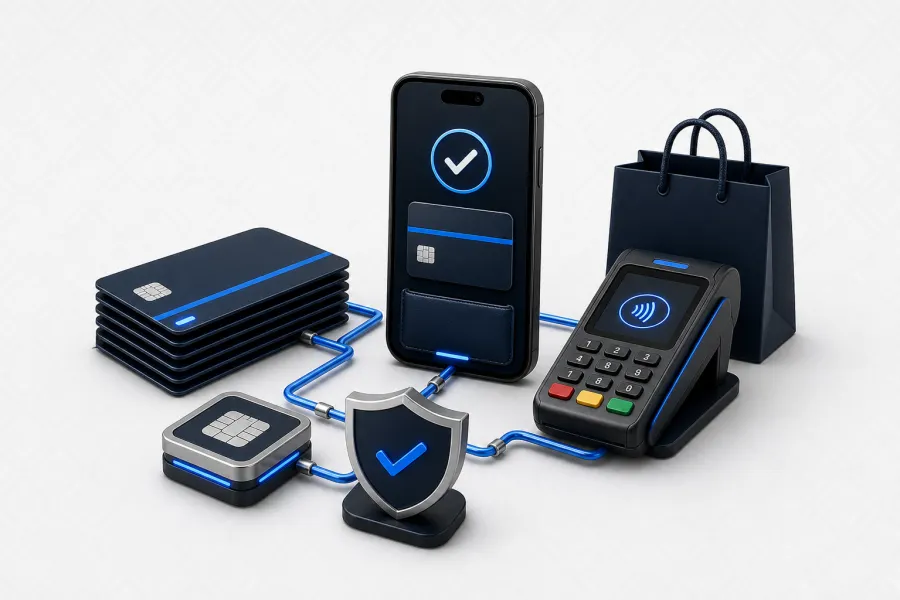
AI payment agents will not replace familiar payment experiences overnight. In many cases, they will sit above cards, wallets, payment apps and tokenized credentials. That is why recent discussion around tokens, biometrics and the possible decline of traditional bank cards is relevant to crypto adoption.
Users do not think in terms of rails. They think in terms of "Can I pay quickly and safely?" If a crypto balance can be connected to a card-like experience, tokenized credential or wallet-based checkout, the user does not need to understand every technical step behind the transaction. The payment can feel familiar even when the value moves through new infrastructure.
This is where crypto cards and payment services can become an important bridge. They translate crypto holdings and wallet balances into spending behavior that merchants already understand. For a user, that could mean paying for a subscription, booking travel, buying digital services or using crypto in a marketplace without manually managing every transaction detail.
The same logic applies to AI agents. An assistant can recommend or prepare a payment, but the merchant still needs a transaction that looks valid, authorized and reconcilable. The front end can become conversational, while the back end still relies on proven payment services, card-like credentials, merchant tools and fraud controls.
For Cryptwerk users, this is practical. The more crypto payments connect to familiar spending categories, the easier it becomes for shoppers to move from holding assets to using them. Directories of shops accepting cryptocurrency become more valuable when the user journey is easier to complete.
Payment Rails Have to Handle the Business Side
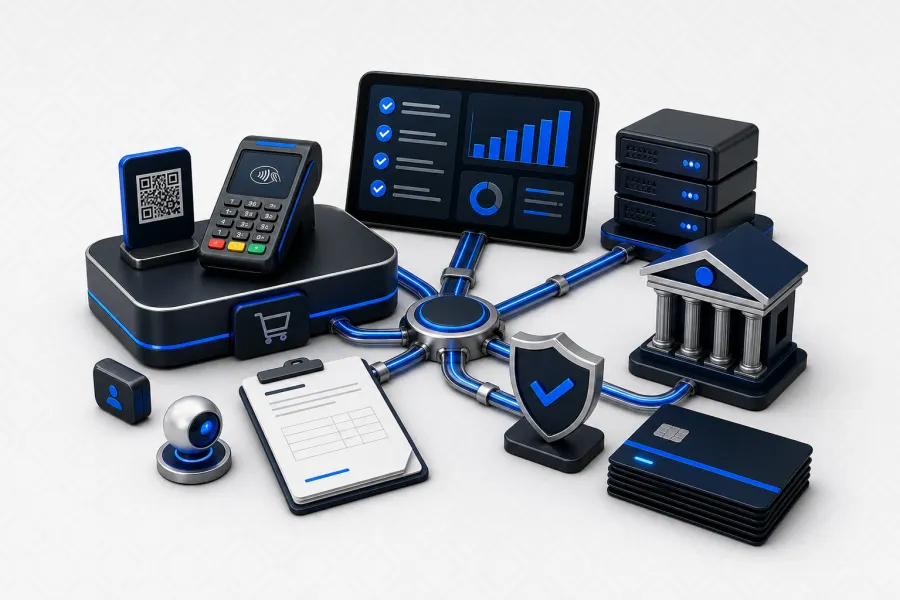
The consumer experience is only half of the story. For merchants and finance teams, the real challenge is operational. A business needs to know how a payment is collected, screened, converted, settled, reported and reconciled. AI can help initiate the journey, but payment infrastructure has to do the hard work after that.
This is why recent news around mass payouts, wallet screening, stablecoin settlement and bank-facing FX rails matters. Payment infrastructure is becoming more complete. Businesses are looking for tools that can support crypto collections, cross-chain payouts, stablecoin liquidity, compliance checks and accounting workflows from one controlled process.
For companies that want to accept crypto payments as a merchant, this is the difference between a novelty and a usable payment channel. It is not enough to display a wallet address. A serious merchant needs a payment flow that can handle customer support, compliance requirements, treasury decisions and reporting.
Modern crypto payment gateways are moving in that direction. They increasingly sit between wallets, settlement networks, bank accounts, stablecoins, merchant dashboards and compliance tools. If AI agents become part of checkout, gateways will need to recognize that context and still produce clean business records.
Stablecoin settlement is especially important here. Businesses care about volatility, timing and accounting. A stable payment asset can make crypto easier to use for payroll, supplier payouts, cross-border invoices and treasury movement. Recent developments around institutional stablecoin settlement and bank-facing FX infrastructure show that stablecoins are not only a retail payment tool. They are becoming part of the payment back office.
What This Means for Crypto Adoption
The strongest adoption story in this news cycle is not a single product. It is the shape of the stack. AI agents can make crypto payments easier to discover and understand. Wallets can keep users in control. Cards and tokenized credentials can make spending feel familiar. Payment rails can give businesses the settlement, screening and reporting they need.
That combination is more realistic than the idea of fully autonomous agents spending freely from a user's wallet. Crypto payments need assistance, not blind automation. The user should still approve the transaction. The wallet should still enforce limits. The merchant should still receive a transaction that can be reconciled. The payment provider should still manage risk.
For users, the result could be a simpler path from intent to payment. For merchants, it could mean fewer abandoned crypto checkouts and more reliable operations. For payment providers, it creates a new role: connecting AI-assisted front ends to controlled wallet and settlement infrastructure.
The next phase of adoption may therefore look less like "crypto replaces payments" and more like "crypto becomes easier to use inside modern payment flows." If AI agents, wallets and rails develop together, crypto payments can become less intimidating for users and more practical for businesses.
