
 English
 Français
 Español
 Português
 BTC
BTC
 ETH
ETH
 LTC
LTC
 BCH
BCH
 USDT
USDT
 DOGE
DOGE
 DASH
DASH
 USDC
USDC
 XRP
XRP
 XMR
XMR
 TRX
TRX
 BNB
BNB
 SHIB
SHIB
 SOL
SOL
 DAI
DAI
 ZEC
ZEC
 ETC
ETC
 POL
POL
 ADA
ADA
 XLM
XLM
In crypto, your image is your first pitch. A blurry logo, a pixelated NFT thumbnail, or an over-compressed banner can make a legitimate project look like a scam before anyone reads a word of your whitepaper - often the fastest fix is running the file through an AI tool to enhance image quality. Here's why image quality works as a trust signal in the first place, and where it typically breaks down.
Why Image Quality Is a Trust Signal in Crypto
Crypto has a credibility problem, and buyers compensate by scanning for red flags before they read a single line of copy. A soft logo, mismatched banner sizes, or a grainy NFT preview read the same way a broken link or typo does: rushed, unprofessional, possibly fake.
Exchanges, marketplaces, and press outlets usually resize your assets automatically. If the source file is already soft or artifact-heavy, every downstream copy gets worse. Quality isn't cosmetic - it's the first data point buyers use to judge legitimacy.
Crypto Brand Assets That Can't Afford to Look Blurry
Your logo shows up everywhere: exchange listings, CoinMarketCap and CoinGecko profiles, Twitter/X avatars, Discord icons, pitch decks. Each platform crops and compresses differently, so a soft original turns unreadable at small sizes.
Common failure points:
Logos exported at screen resolution instead of a high-res master
Banners stretched into new dimensions, introducing blur
Old assets recycled from a Discord screenshot instead of the source file
Press kits shipped with a single small PNG that looks fine on-screen but breaks in print
If your brand kit has drifted this way, unblur your logo before it goes back out to listings or partners - a clean AI pass can restore sharp edges to a soft logo without redrawing anything, sharpening text and edges that stayed muddy through every previous re-export.
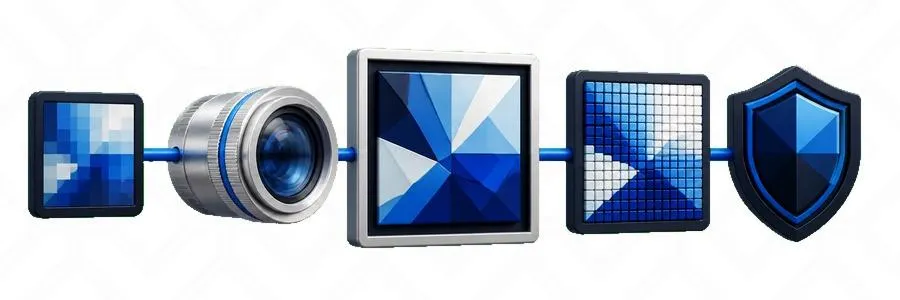
NFT Art: Where Low Resolution Kills Value
NFT buyers can't touch the art - the image is the product. A file that looks fine as a marketplace thumbnail often falls apart at full size: soft edges, muddy color, visible compression blocks.
This matters most when:
A collector wants to print or display the piece physically
A marketplace features your art in a larger preview
You're minting from an older or low-resolution source file
The piece gets picked up by press or a curated gallery drop, where thumbnails aren't enough
Rather than re-minting, you can upscale NFT artwork up to 4x to recover detail before the file goes on-chain or into a print run - the resolution collectors can actually judge.
Fixing It Fast: A Quality Checklist
Before publishing any crypto brand or NFT asset:
Check the source file at 100% zoom, not just the thumbnail
If you spot visible blocking, clean up JPEG compression artifacts first - those blocky squares are a fast tell that a file's been recompressed too many times
Export at the largest resolution each platform allows
Save both a high-res master file and platform-specific exports, so you're never re-compressing an already-compressed copy
Re-check how it renders on mobile, where crops are tightest
Five minutes of quality control now can save a rebrand - or a bad first impression - later.
FAQ
Does image quality really affect NFT sale price? Yes. Buyers routinely skip listings with soft, artifact-heavy previews, since visual quality is one of the only tangible signals of production value.
Can I fix a blurry logo without the original design file? Usually. AI upscaling and enhancement tools can recover sharpness and detail from a compressed JPG or PNG even without the source vector.
Try It on Your Own Assets
Blurry visuals cost crypto brands and NFT creators trust and sales. Upload your logo, banner, or NFT file to our free AI image enhancer and get a publish-ready image in under 30 seconds.
