
 English
 Français
 BTC
BTC
 ETH
ETH
 LTC
LTC
 BCH
BCH
 USDT
USDT
 DOGE
DOGE
 DASH
DASH
 USDC
USDC
 XRP
XRP
 XMR
XMR
 TRX
TRX
 BNB
BNB
 SHIB
SHIB
 SOL
SOL
 DAI
DAI
 ZEC
ZEC
 ETC
ETC
 POL
POL
 ADA
ADA
 XLM
XLM
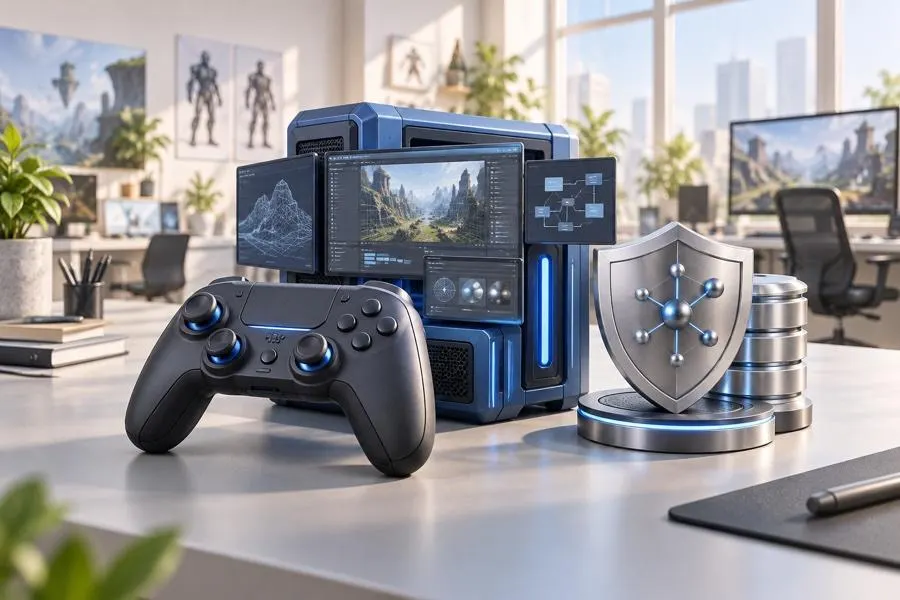
The gaming industry is not an easy hiring market in 2026, but it is technically broader than the stereotype of a programmer building levels alone. GDC’s State of the Game Industry survey collected responses from more than 2,300 professionals and found developers working across engines, handheld platforms, AI tools, publishing systems, and live services. At the same time, 28% of respondents said they had been laid off within the previous two years, so new specialties are developing inside a competitive labor market. The opportunity is real. So is the bar.

Game Engines Still Need Engineers Who Understand What's Underneath
Unreal Engine was the primary engine for 42% of developers in GDC’s 2026 survey, compared with 30% for Unity. Those platforms reduce the need to build rendering, physics, and asset pipelines from zero, but they increase demand for engineers who understand C++, C#, optimization, networking, and engine tooling well enough to solve problems when templates stop working. PC remained the platform executives were most interested in for future development, while 28% of respondents were already building or optimizing for Steam Deck. Hardware knowledge has not disappeared.
UX Work Starts Before the Player Sees the Menu
Games create unusual interface problems because the user may be learning controls, reading a map and reacting to another player at the same time. UX designers test onboarding, HUD density, controller navigation, accessibility, and the number of steps between launching a title and entering a match. Researchers may run usability sessions, product designers build prototypes, and engineers then translate those prototypes into responsive interfaces. A one-second delay can feel enormous in a competitive game, which makes interaction design measurable rather than decorative.
Casino Platforms Need Much More Than Game Art
The technology stack widens again in regulated online gaming. A developer working around Ghana casino games may encounter front-end interfaces, payment integrations, KYC workflows, game-provider APIs, RNG systems, telemetry, and account-security controls inside the same product organization. Data teams can watch failed deposits or session behavior, while cybersecurity teams protect authentication and transaction flows; product managers coordinate those dependencies against release schedules and compliance requirements. The visible game may last 30 seconds, but the software around it can involve dozens of services.
AI Creates Work as Well as Arguments
Generative AI is already inside gaming workflows, although the industry is far from united about it. GDC found 36% of game-industry professionals using generative AI at work, most often for research or brainstorming, daily tasks, code assistance and prototyping; 52% nevertheless said the technology was having a negative impact on the industry. That tension creates demand for people who can evaluate models, build internal tooling, manage data, test outputs, and establish production rules rather than simply pressing a generation button. AI literacy is becoming a technical skill, not a job title by itself.
Live Products Produce Data Every Minute
A released game is increasingly the start of technical work rather than the end. Multiplayer titles generate telemetry on matchmaking, latency, crashes, player progression, and purchase flows, which gives data engineers and analysts a constant stream of operational questions. An online platform such as the MelBet Ghana website adds another layer because sports markets, casino content, payments and account services must remain available while live events are changing. Product managers, backend engineers, analysts and security specialists therefore work on retention and reliability after launch, not merely on shipping day.
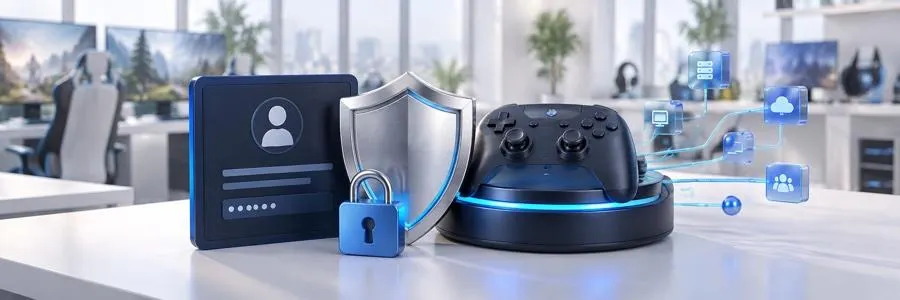
Cybersecurity Has Become Part of Product Quality
Accounts that store purchased items, wallet balances, or payment credentials attract attackers in a way that a 1990s offline game never did. Security engineers now work on authentication, fraud detection, API protection, access controls, and incident response, while developers need secure coding practices that do not break the player experience. The same principle applies to esports, cloud gaming and betting: uptime is only valuable if account integrity survives the traffic. For an IT candidate, gaming now offers paths through software, UX, data, security, and product operations—not one narrow “game developer” lane.
