
 English
 Español
 Français
 Português
 BTC
 ETH
 LTC
 BCH
 USDT
 DOGE
 DASH
 USDC
 XRP
 XMR
 TRX
 BNB
 SHIB
 SOL
 DAI
 ZEC
 ETC
 POL
 ADA
 XLM
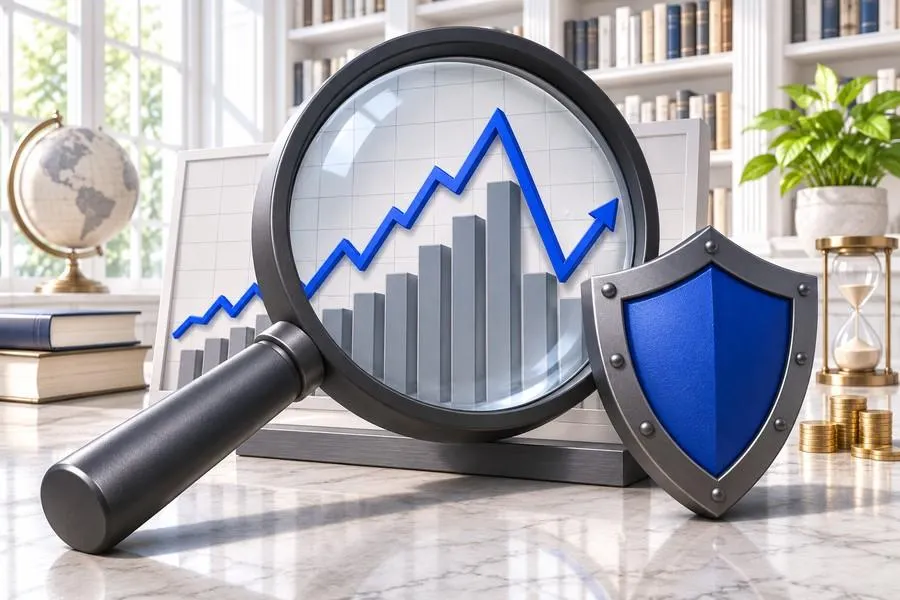
Cryptocurrency markets attract people who are analytical, ambitious and comfortable with technology. They study price charts, compare projects, follow blockchain developments and spend hours researching potential opportunities. For many, crypto is a legitimate investment interest. But for some, the pursuit of the next profitable trade gradually becomes something harder to control.
The danger is that compulsive trading can look remarkably like dedication. Someone checking prices at 3 am may believe they are simply committed to their strategy, even when their sleep, finances and relationships are suffering. When does market research stop being productive and start becoming an obsession?
When Research Becomes a Justification
Traditional gambling is widely recognised as involving chance, even when players try to develop strategies. Cryptocurrency trading, by contrast, can appear more scientific. Candlestick charts, technical indicators, blockchain analytics and detailed whitepapers create the impression that every market movement can be understood if enough time is invested.
Research can certainly improve someone's understanding of a project or its risks. However, it cannot eliminate uncertainty. Crypto prices are influenced by market sentiment, liquidity, regulation, macroeconomic developments and unexpected events. Even experienced traders can be wrong.
This creates an opportunity for cognitive distortion: the belief that more research, more screen time or greater confidence will eventually provide control over an unpredictable market.
After a loss, a trader might convince themselves that they simply need to study harder. After a win, they may interpret the result as proof of exceptional skill, overlooking the role of favourable market conditions or luck. Both reactions can reinforce the urge to continue trading.
The problem is not ambition. It is believing that effort guarantees control.
The High-Functioning Trader Trap
Problematic trading does not always look like a financial crisis from the outside. Someone may maintain a successful career, manage household responsibilities and appear perfectly composed while privately becoming consumed by market movements.
Their professional skills can even make the behaviour harder to recognise. Analytical thinking, confidence and persistence are valuable qualities, but they can also be used to rationalise decisions that are no longer serving them.
A trader might hide losses, borrow money to maintain positions or repeatedly break their own limits. They may struggle to concentrate at work because they are watching prices, or feel irritable whenever they cannot access their exchange account.
In these circumstances, financial knowledge is not necessarily enough to prevent harm. Understanding leverage or market volatility does not automatically protect someone from impulsive decisions, fear of missing out or the desire to recover losses.
A 2025 scoping review published in the Journal of Primary Care & Community Health examined 13 studies involving 11,177 participants and identified associations between cryptocurrency trading and addiction-like behaviours, including compulsive trading despite financial losses. The researchers also highlighted the need for further research. These findings do not mean that most crypto traders have an addiction, but they support taking problematic patterns seriously.

When Trading Starts to Resemble Gambling
There is an important distinction between investing and compulsive trading. Investing generally involves a considered strategy, an understanding of risk and a willingness to accept that returns are uncertain. Compulsive behaviour is more likely when someone repeatedly trades despite harmful consequences and feels unable to stop.
Several warning signs deserve attention:
- Constantly checking prices, including during work, meals or late at night.
- Increasing trade sizes to recover previous losses.
- Feeling unusually euphoric after wins or deeply distressed after losses.
- Hiding trading activity or financial losses from family and friends.
- Neglecting sleep, relationships or responsibilities to monitor markets.
- Feeling restless or anxious when unable to trade.
No single behaviour proves that someone has an addiction. However, when several appear together and continue despite negative consequences, it is worth stepping back and seeking support.
Escaping the Ego Trap
One of the hardest parts of changing compulsive trading behaviour is accepting that intelligence cannot guarantee a profitable outcome. For someone who takes pride in solving complex problems, admitting that a market has become difficult to control can feel like a personal failure.
In reality, recognising uncertainty is a sign of sound judgement.
Practical boundaries can help. Decide in advance how much money you can afford to risk, avoid borrowing to trade and never use essential living expenses as investment capital. Consider disabling price notifications, removing trading apps from your phone and establishing specific times to review your portfolio.
Most importantly, stop treating every loss as a problem that must be solved by making another trade. Sometimes, the healthiest decision is to accept the loss and walk away.
If trading is affecting your mental health, finances or relationships, consider speaking with a qualified mental health professional or a service experienced in gambling-related harm. If you are worried about someone else, learning how to help an addict begins with listening without judgement and encouraging them to access appropriate support.
Success Means Knowing When to Stop
Cryptocurrency can offer genuine opportunities, but no amount of technical knowledge removes market uncertainty. The ability to recognise your limits matters just as much as the ability to interpret a chart.
The most successful decision is not always the one that produces a profit. Sometimes, it is the decision to protect your wellbeing, step away from the screen and recognise that your value as a person is not determined by your portfolio.
The market will keep moving. Your health, relationships and peace of mind deserve protection, too.
