
 English
 Español
 Français
 Português
 BTC
 ETH
 LTC
 BCH
 USDT
 DOGE
 DASH
 USDC
 XRP
 XMR
 TRX
 BNB
 SHIB
 SOL
 DAI
 ZEC
 ETC
 POL
 ADA
 XLM
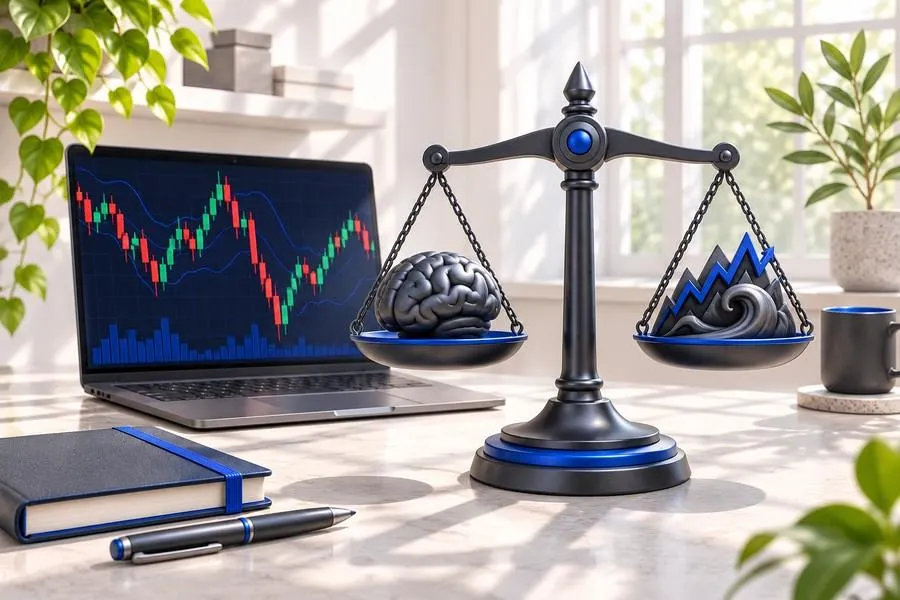
Cryptocurrency markets can be exhilarating when prices rise and unforgiving when they fall. One day, your portfolio might look healthier than expected; the next, a sudden market correction can wipe out a significant portion of its value. For investors who check prices constantly, these swings can affect far more than their finances.
The challenge is not simply knowing when to buy or sell. It is learning to manage the emotions that come with uncertainty. Panic, overconfidence and the desire to recover losses can all lead to decisions that make a difficult situation worse. Building a clear-headed approach can help protect both your money and your wellbeing.
Understand the Emotional Side of Trading
Financial decisions are rarely made in a vacuum. When prices surge, excitement can encourage people to buy without properly considering the risks. When markets crash, fear may prompt them to sell in a panic or take bigger risks in the hope of recovering their losses.
This is particularly relevant to cryptocurrency, where volatility can be substantial and online communities often amplify excitement or pessimism.
A 2025 study published in Public Health examined 700 cryptocurrency traders and found that 33.7% were classified as experiencing problematic gambling according to the study's assessment. This was a selected research sample, not a representative estimate of all crypto traders, and the findings do not mean that trading inevitably leads to gambling problems. However, they highlight why emotional control and awareness of compulsive behaviour matter.
The first step is recognising that feeling anxious or excited about your investments is normal. The warning sign is when those emotions begin controlling your decisions.
Create a Plan Before the Market Moves
One of the simplest ways to reduce impulsive decisions is to establish rules while you are calm, rather than inventing them during a market panic.
Decide in advance how much you can afford to invest, what level of loss you can realistically tolerate and how frequently you will review your portfolio. Avoid using money needed for rent, bills, food or other essential expenses.
Be particularly cautious about leverage and borrowing. Trading with borrowed money can magnify losses and create pressure to make increasingly risky decisions.
A written plan will not guarantee a profit, but it can provide a reference point when emotions start taking over. If your original reasons for investing have changed, reassess them rationally rather than reacting to every price movement.

Know When to Step Away
Constantly refreshing charts can create the illusion that you are doing something productive, even when the habit is increasing your anxiety.
Try setting specific times to review your investments instead of monitoring prices throughout the day. Disable unnecessary notifications, take regular breaks and avoid checking the market immediately before bed.
After a substantial loss or an unexpectedly large gain, consider pausing before making another decision. Strong emotions can distort your perception of risk, and exhaustion makes it harder to think clearly.
It is also worth remembering that you do not have to participate in every market movement. Missing an opportunity is not the same as failing, and stepping away can be a sensible decision.
Avoid Chasing Losses
One of the most dangerous responses to a financial setback is attempting to win everything back quickly.
After losing money, a trader may increase their position size, abandon their strategy or invest in an unfamiliar token because it promises rapid returns. This is often driven by frustration rather than careful analysis.
Chasing losses can create a downward spiral: each unsuccessful attempt increases the financial pressure, making the next decision even more emotionally charged.
If you notice this pattern, stop trading temporarily. Review your finances away from the exchange, avoid borrowing to recover losses and speak to someone you trust. You do not need to repair a loss immediately, and further risk-taking is not a reliable way to undo what has happened.
Protect Yourself From Unhealthy Coping Habits
Financial stress can affect sleep, relationships and mental health. Some people respond by drinking more alcohol, misusing stimulants to stay awake or using other substances to escape anxiety.
These responses can make clear thinking more difficult and introduce additional risks. If you find yourself relying on substances to manage market stress, treat that as a reason to seek support rather than something you simply need to push through.
Similarly, if trading becomes compulsive, consider seeking help from a mental health professional or a service experienced in gambling-related harm. If substance dependence is also present, a qualified healthcare provider can help you identify appropriate treatment options. A detox centre may be relevant for people who need medically supported withdrawal, but detox alone does not address every underlying issue and should be guided by a clinical assessment.
Recovery from harmful habits often involves addressing financial behaviour, emotional triggers and substance use together.
Build a Healthier Relationship With Crypto
A balanced approach to investing includes interests and relationships outside the market. Make time for exercise, sleep, social activities and responsibilities that have nothing to do with your portfolio.
Keep a record of your decisions and the reasons behind them. This can help you distinguish considered choices from emotional reactions. If you repeatedly break your own rules, hide losses or feel unable to stop checking prices, take those signs seriously.
It may also help to discuss your concerns with a trusted friend or financial adviser who is independent of the trading platforms and online communities influencing you.
Remember What Matters Beyond Your Portfolio
Crypto markets will continue to rise and fall. No strategy can remove all risk, and no investor can predict every development.
What you can influence is how you respond. Setting boundaries, accepting uncertainty and recognising when to step away can prevent a difficult market period from becoming a wider personal crisis.
Your financial position matters, but so do your health, relationships and peace of mind. A portfolio can change overnight; protecting your ability to make thoughtful decisions is a longer-term investment in yourself.
