
 English
 Español
 Français
 Português
 BTC
 ETH
 LTC
 BCH
 USDT
 DOGE
 DASH
 USDC
 XRP
 XMR
 TRX
 BNB
 SHIB
 SOL
 DAI
 ZEC
 ETC
 POL
 ADA
 XLM
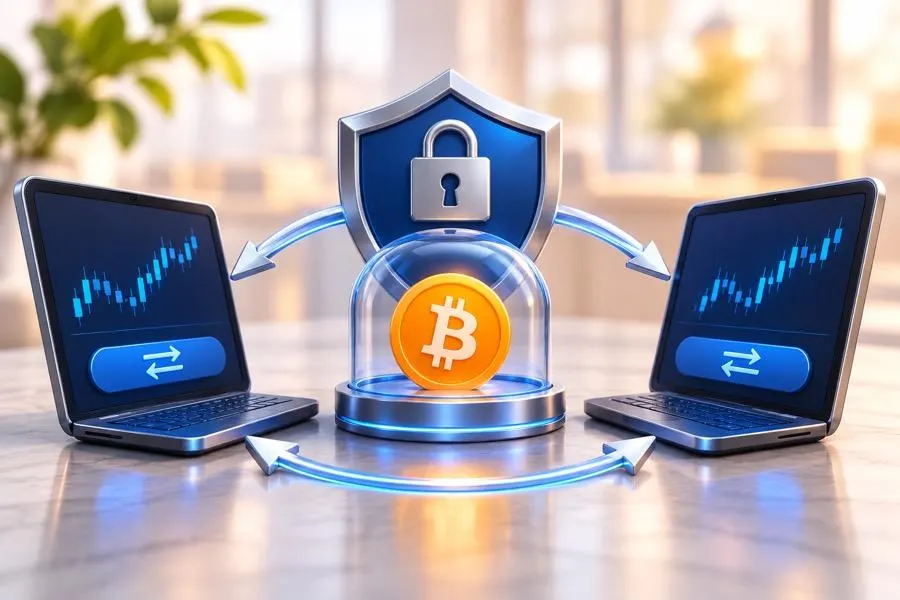
Understanding crypto price forecasts, market cycles and possible losses is only part of learning to trade; you also have to decide how to make the exchange itself. In peer-to-peer trading, the buyer and seller agree on the deal between them, with more choice over who they trade with and how they pay. Many marketplaces still play a role by matching the two people and holding the crypto in escrow until payment is confirmed. Direct trading gives you flexibility, but doesn’t automatically get you a better price.
That choice of person is worth taking seriously. You might be interested in p2p bitcoin trading because you want a particular payment method or more choice over the price, but neither helps much if the other person doesn’t follow the agreement. Let’s look at what you can find out about a potential partner, how to discuss the trade and when to walk away.

Image credits: https://unsplash.com/photos/a-bit-coin-sitting-on-top-of-a-pile-of-coins-gRAS87wSVCs
Look Beyond the Advertised Offer
Before accepting an offer, spend some time on the trader’s profile. How many orders have they completed? What feedback have other people left, and has the account passed the platform’s identity checks? You’re looking for a record that helps you assess this particular person, while remembering that a verified account can still cause problems.
Positive feedback is encouraging, but read it alongside the number of trades behind it. Several favourable comments don’t establish the same history as years of completed orders, and repeated complaints need an explanation. You can also look at community discussions to see whether others describe problems. CryptoSlate’s guide to buying Bitcoin places payment disputes and counterparty behaviour among the things to consider, which is a useful reminder to look beyond the price.

Agree on How You Will Communicate
Good communication matters here for the same reason it matters in any working relationship: both people need to know what the other expects. Discuss the amount, payment method, timing and conditions for releasing crypto before money changes hands. If a question comes up, it’s much easier to settle it now than after you’ve each acted on a different understanding.
Choose somebody who answers relevant questions and explains their side of the trade clearly. Keep that conversation in the platform’s official chat, where it can be reviewed if a dispute arises. You can be open about an order without giving away unrelated personal information, passwords or wallet recovery details. A helpful conversation should make the agreement clearer, not move you into a private message exchange outside the service.
Compare the Payment Arrangements
The way you pay can change how practical an offer is for both of you. A trader may accept several methods, but you need one you can use under the platform’s rules and whose timing, charges and possible reversals you understand. Don’t agree to an unfamiliar arrangement just because the advertised price is appealing.
Find out how the payment provider protects the account and how you will check receipt. If you’re selling, look in your own account for the full payment before releasing crypto; a picture of a receipt or a message saying it was sent can be false. Compare the methods available:
- Digital payment wallets can be convenient, but investigate the provider, account requirements and whether a payment could be reversed.
- Bank transfers create a payment record, while processing delays and fraud risks still need attention. Check the amount and sender details against the order.
- Cash is immediate when it changes hands, but a physical meeting brings personal-safety and counterfeit-note risks.
- Crypto payments vary in speed and need agreement on the asset, network, address and confirmations. Bitcoin records transactions publicly, so don’t confuse using it with being anonymous.
Take Unease Seriously
Don’t brush aside a feeling that something is wrong just to finish the trade. Stop and work out what is bothering you, then hear the explanation before deciding to proceed. Being comfortable with somebody is no reason to skip the checks, either.
The way a person handles the following situations can tell you quite a bit:
- Evasive responses: You ask a straightforward question about the trade, but the answer never comes. Don’t proceed until the point you raised has been addressed.
- Conflicting details: The person’s explanation changes, or a different payment account appears. Go back through the order and verify what happened before taking another step.
- Missing information: You need enough detail to understand the agreement. If somebody won’t explain the terms, look elsewhere; legitimate privacy doesn’t require leaving those terms unclear.
- Pressure to hurry: Somebody who rushes you past checking a payment isn’t helping you trade. Pause, retain the messages and contact official support through the appeal process when necessary.
Where Might You Encounter Counterparties?
If you don’t already know other people who trade, there are several ways to meet them and learn how they approach it. What you learn in those conversations can help you decide who to investigate further:
- Social media: Look at the discussions beneath posts or videos about P2P trading, as well as the accounts taking part. You may find people explaining their methods or answering questions, which gives you something to research beyond a username. Profiles and recommendations can be faked, though, so keep the actual trade and its messages on the official marketplace.
- Online communities: Taking part in a crypto discussion lets you ask about an unfamiliar process and hear how others deal with it. You can share what you know, too; a useful exchange helps both people understand the subject rather than simply introducing a stranger who wants your money. Check advice against the platform’s own instructions before acting on it.
- Forums and events: A discussion board offers ongoing conversations, while a conference or meetup gives you a chance to hear speakers and meet people with similar interests. Both can broaden your contacts. Neither a confident presentation nor a friendly introduction is a substitute for checking somebody’s trading record.
- P2P marketplaces: Here you can usually see offers alongside information about the traders behind them, including completed orders, feedback and sometimes volume. Use those details with the service’s chat and read how its escrow and appeal process work. Access and protections depend on the platform, your eligibility and the rules for the particular order.
Choose With the Whole Trade in View
Choosing a partner comes down to how the evidence, the conversation and the payment arrangement fit together. Check all three before committing funds, and give yourself permission to leave an offer that raises unanswered questions. You’ll then be choosing a trade you understand, instead of trusting somebody solely because their price looks good.
