
 English
 Español
 Français
 Português
 BTC
 ETH
 LTC
 BCH
 USDT
 DOGE
 DASH
 USDC
 XRP
 XMR
 TRX
 BNB
 SHIB
 SOL
 DAI
 ZEC
 ETC
 POL
 ADA
 XLM
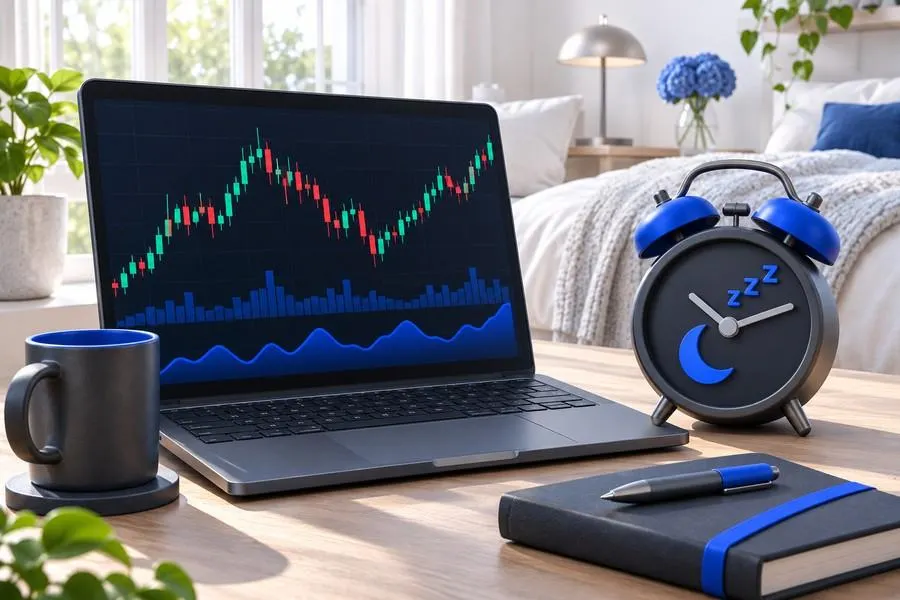
Cryptocurrency markets never really sleep. While traders in one part of the world are finishing their day, others are waking up to fresh price movements, breaking news and sudden market swings. For anyone determined to catch the next opportunity, stepping away from the screen can feel like missing out.
But constantly monitoring a volatile market can take a serious toll on the body and mind. When sleep deprivation, financial anxiety and substance use enter the picture, the consequences can become more complicated. What begins as an attempt to stay alert or manage stress can gradually develop into a cycle that is difficult to break.
Why the Crypto Market Can Encourage Unhealthy Habits
Unlike traditional stock exchanges with defined trading hours, cryptocurrency markets operate around the clock. Prices can move sharply at any time, creating pressure to monitor positions throughout the night.
For some traders, this leads to irregular sleep, skipped meals and difficulty switching off. Others may rely on excessive caffeine to remain alert or misuse prescription stimulants in an attempt to concentrate for longer.
Medications such as Adderall are prescribed for specific medical conditions and should only be taken as directed. Using someone else's prescription or taking stimulants outside medical guidance can create serious risks, including anxiety, elevated heart rate and sleep disruption. Cocaine also carries significant cardiovascular and psychological risks.
These substances do not improve a trader's ability to predict the market. They may instead make it harder to judge risk, manage emotions and recognise when exhaustion is affecting decision-making.

The Physical Cost of Staying Awake
Sleep is essential for attention, memory, emotional regulation and sound judgement. When someone repeatedly sacrifices rest to follow price movements, their ability to assess information can deteriorate.
Sleep deprivation can increase irritability, impair concentration and make emotional reactions more difficult to control. In a fast-moving market, this can mean reacting impulsively to a sudden price drop, abandoning a sensible strategy or taking unnecessary risks in an attempt to recover losses.
Caffeine may temporarily reduce feelings of sleepiness, but it cannot replace restorative sleep. Stimulants can also mask fatigue, creating the impression that someone is functioning well when their performance is already being affected.
The consequences can extend beyond trading. Persistent exhaustion can strain relationships, reduce productivity and contribute to anxiety or low mood. If this becomes a regular pattern, it is worth treating the loss of sleep as a warning sign rather than a badge of commitment.
From Market Anxiety to Self-Medication
Financial losses can trigger powerful emotions, particularly when someone has invested more than they can comfortably afford to lose. Shame, panic and the urge to win money back may lead some traders to look for ways to escape their feelings.
Alcohol or sedating substances may appear to offer temporary relief after a stressful trading session. However, relying on substances to manage anxiety can create another problem, especially when the effects wear off and the original worries remain.
A cycle can develop: stimulants or caffeine are used to stay awake, sleep becomes disrupted, exhaustion increases anxiety, and alcohol or other substances are used to unwind. The following day, the trader may return to the same routine.
This is not inevitable, and not everyone who trades cryptocurrency will misuse substances. Several studies have found that problematic cryptocurrency trading was associated with several psychological and behavioural factors, including substance-use behaviours. The evidence points to a potential overlap, not proof that crypto trading directly causes substance dependence.
Recognising When Two Problems Are Developing
It can be difficult to distinguish a demanding period of trading from a pattern that is becoming harmful. Warning signs include using substances to stay awake or cope with losses, being unable to sleep without drinking, hiding consumption, or continuing despite clear effects on health and relationships.
Other signs include repeatedly increasing substance use, struggling to take breaks from the market and feeling that trading is the only way to escape financial stress.
If you recognise these patterns, you do not need to wait until everything feels out of control before asking for help. A healthcare professional can help assess substance use, sleep problems and anxiety, and recommend appropriate support.
Depending on individual needs, a private drug rehab service may offer structured assessment, medical support and therapy for substance-related problems. It is important to choose qualified providers and remember that treatment should address the whole person, including any underlying stress or compulsive behaviours.
Breaking the Cycle Before It Escalates
Start by restoring basic routines. Set a firm time to stop checking markets, silence non-essential price alerts and protect a consistent sleep schedule. Avoid using stimulants to compensate for lost sleep or alcohol to manage trading-related anxiety.
It can also help to separate financial decisions from emotional reactions. Establish trading limits in advance, avoid making major decisions when exhausted or under the influence, and take a break after significant losses.
If you take prescribed medication, speak with your prescriber before making changes. If you are dependent on alcohol or sedatives, seek medical advice before stopping suddenly, as withdrawal can be dangerous.
Your Health Is Worth More Than a Trade
There will always be another market movement, another token and another opportunity that appears urgent. None is worth sacrificing your health to pursue.
Recognising the relationship between trading habits, sleep and substance use is not an admission of weakness. It is an opportunity to regain control before one difficult pattern becomes several.
A sustainable approach to cryptocurrency starts with clear thinking, realistic boundaries and the ability to step away. No potential return is worth losing your wellbeing in the process.
