
 BTC
BTC
 ETH
ETH
 LTC
LTC
 BCH
BCH
 DOGE
DOGE
 USDT
USDT
 DASH
DASH
 USDC
USDC
 XRP
XRP
 XMR
XMR
 TRX
TRX
 BNB
BNB
 SHIB
SHIB
 SOL
SOL
 DAI
DAI
 ZEC
ZEC
 ETC
ETC
 POL
POL
 ADA
ADA
 XLM
XLM
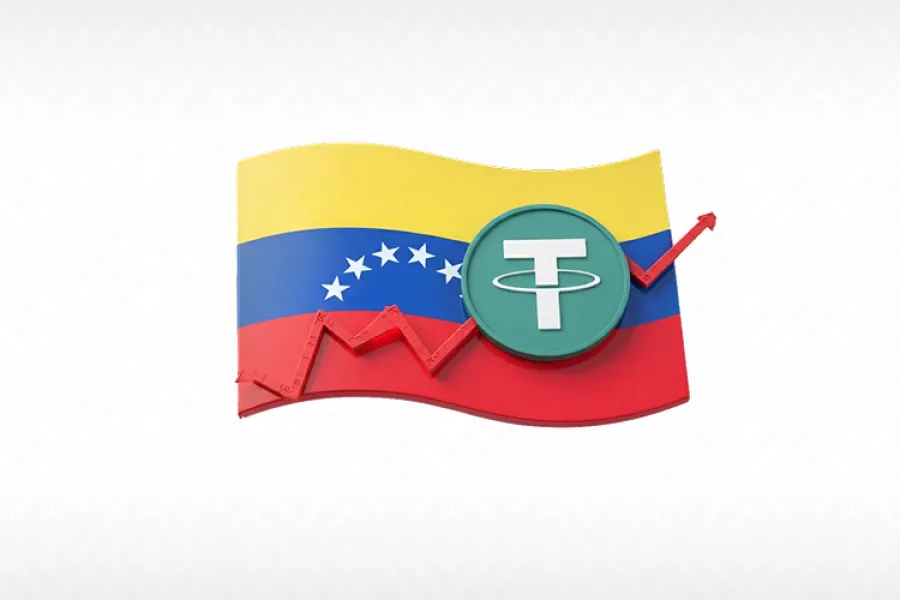
Venezuela is undergoing a unique economic transformation: with inflation soaring to 229% as of May 2025, the local bolívar (VES) has effectively lost its role as a unit of account. In response, the country has organically shifted toward a form of crypto-dollarization, where the stablecoin USDT — colloquially known as “Binance dollars” — has taken center stage.
Why USDT Replaced the Bolívar and Physical USD
The accelerating inflation has rendered pricing in bolívars impractical. To avoid constantly rewriting price tags and invoices, merchants and freelancers switched to USD-based pricing — but with a digital twist. Instead of relying on scarce physical dollars, they turned to stablecoins for liquidity and payment infrastructure.
- A broken bolívar: Daily inflation forced businesses to find a more reliable unit of account.
- Cash shortage: Sanctions and limited oil revenue led to an acute shortage of physical USD banknotes, particularly for small and frequent payments.
- Digital convenience: USDT — primarily on the Tron (TRC-20) network — became the most accessible and cost-efficient way to store, receive, and transfer digital dollars, thanks to ultra-low fees and widespread wallet adoption.
The Role of Binance P2P
Venezuela now operates under a triple exchange rate system: the official Central Bank rate (BCV), the informal “black market” rate (dólar negro), and the P2P rate. The latter — particularly the one derived from Binance P2P — has become the dominant benchmark for commercial activity.
In daily life, this plays out seamlessly:
- Prices in shops are often displayed in USD.
- Payments are made in USDT, calculated against the live P2P exchange rate merchants track on their phones.
- Transactions occur via a TRC-20 QR code, with confirmations taking just seconds.
Thus, the term “Binance dollars” has become shorthand for USDT, whose value and liquidity are effectively defined by decentralized P2P markets — functioning as Venezuela’s primary reference rate and payment medium.
Widespread Adoption Across Society
Venezuela ranks among the global leaders in everyday crypto usage. Stablecoins dominate small-scale transactions, replacing cash for most practical purposes:
- Households use USDT to buy groceries, pay rent and utilities, and even settle P2P debts — protecting their purchasing power from the bolívar’s volatility.
- Small and medium-sized businesses (SMEs) rely on USDT for imports, USD-based accounting, and partial salary payments to staff as a hedge against inflation.
While the government hasn’t formally legalized dollarization, it has shown tacit tolerance toward USD-pegged crypto use in the private sector — recognizing it as a pragmatic means of keeping the economy functional.
Risks and Challenges
The rise of digital dollars hasn’t come without its share of obstacles:
- Exchange rate volatility: P2P rates can fluctuate intraday, requiring constant monitoring.
- Security concerns: Phone theft and seed phrase loss remain real threats.
- Platform dependency: In August 2024, Venezuela’s state ISP CANTV temporarily blocked access to Binance, exposing the risks of over-reliance on centralized platforms.
- Fraud exposure: P2P trading outside of escrow still carries risks, which users mitigate by sticking to verified traders and escrow-secured platforms.
Despite these challenges, digital dollars have emerged as the path of least resistance — providing Venezuelan households and enterprises with a stable unit of account and a functional medium of exchange in an otherwise broken monetary system.
A Broader Look: Crypto Adoption on the Rise
Venezuela’s experience reflects a larger global trend toward mass crypto adoption, especially in emerging economies suffering from currency instability. From Nigeria to Turkey, millions are turning to stablecoins as a practical tool for cross-border trade, remittances, and inflation hedging.
Platforms like Cryptwerk.com
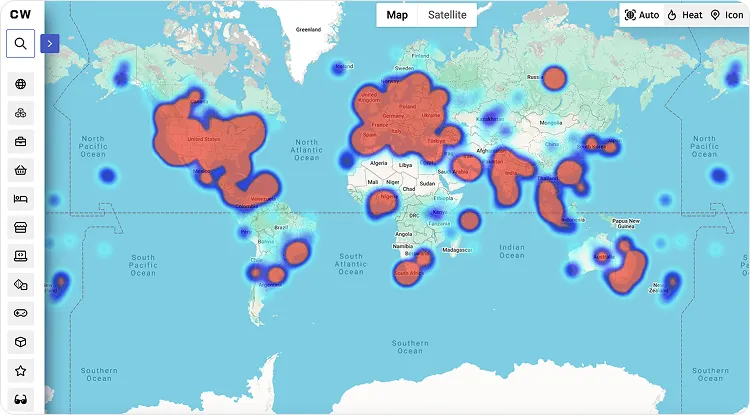
— the world’s largest aggregator of crypto-friendly businesses and merchants — highlight this momentum. With over 10,000 stores and service providers accepting crypto worldwide, Cryptwerk demonstrates how real-world commerce is increasingly integrating digital assets, from online retailers to physical shops across Latin America and Asia.
The Venezuelan case is more than an anomaly; it’s a preview of what happens when traditional financial systems fail to serve the people — and blockchain-based alternatives rise to fill the gap.