
 English
 Français
 Español
 Português
 BTC
BTC
 ETH
ETH
 LTC
LTC
 BCH
BCH
 USDT
USDT
 DOGE
DOGE
 DASH
DASH
 USDC
USDC
 XRP
XRP
 XMR
XMR
 TRX
TRX
 BNB
BNB
 SHIB
SHIB
 SOL
SOL
 DAI
DAI
 ZEC
ZEC
 ETC
ETC
 POL
POL
 ADA
ADA
 XLM
XLM
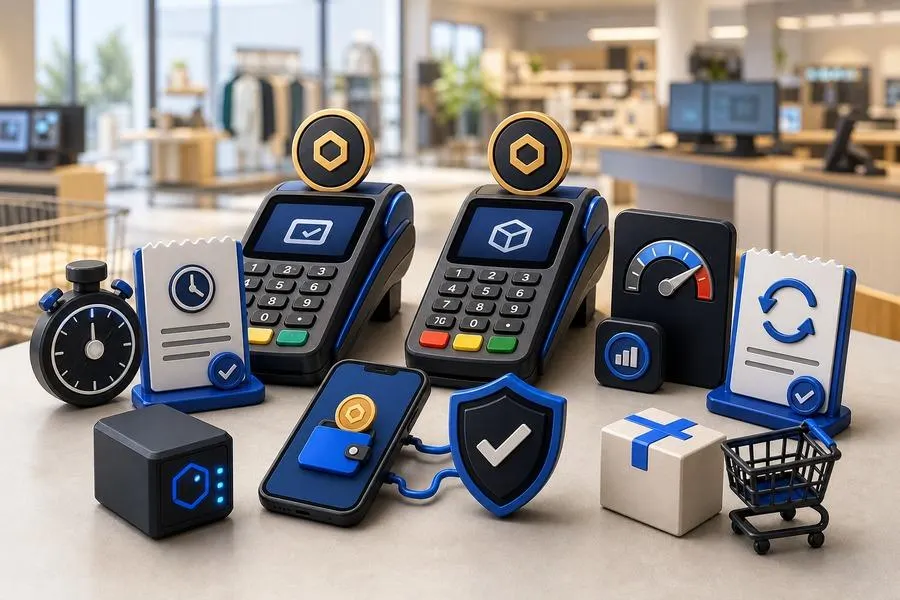
Two stores can accept the same coin and still give you a very different payment experience. One may accept Bitcoin with no extra steps. Another may ask for a fixed payment window, a minimum order, or a special invoice. A third may use a payment processor with its own rules.
Coin Support Is Only the First Step
Seeing your coin listed on a merchant page feels helpful. But coin support only tells you that payment may be possible. It does not tell you how easy, fast, or flexible the payment will be. Some merchants accept crypto directly into their own wallet. Others use payment processors. Some create invoices with a timer. Some casino online games only accept crypto for certain products. A few may accept it online, but not for refunds.
Check the Minimum and Maximum Payment Amount
Many merchants set limits for crypto payments. A small item may not qualify if the minimum payment is too high. A large order may also require additional checks if the amount exceeds a certain threshold. You may add something cheap to the cart, choose crypto, and then find out the store does not accept small crypto payments. Or you may try to buy an expensive item and get asked for manual approval.
Payment Windows Can Be Short
Crypto prices move. As a result, many merchants use timed invoices. The price may be locked for ten minutes, fifteen minutes, or another short period. This sounds simple until you are the one trying to pay. Maybe your wallet is slow. Maybe the network is busy. Maybe you need to confirm the address carefully. Maybe the app asks for extra approval. A short timer can create pressure.
Compare Refund Rules Before Paying
Refunds are not always simple with crypto. Some merchants refund in the same coin. Some refund the fiat value of the order. Some offer store credit. Others may not allow crypto refunds in certain cases. Price changes can also create confusion. If you pay in crypto and the coin price moves, what happens if the order is canceled? Do you receive the same coin amount back? Or the same dollar value? There is no single rule that every merchant follows.
Refund Questions Worth Asking
Will the refund come in crypto or store credit?
Will it be based on coin amount or fiat value?
Who pays the return network fee?
Are some products excluded?
These answers should be easy to find. If they are not, contact support before paying.
Check Order Confirmation Rules
Some merchants treat a crypto payment as complete after one network confirmation. Others wait for more. Some may mark the order as paid right away but delay shipping until confirmations are complete. For digital products, the difference may be noticeable. One site may release a download within minutes. Another may wait longer. For physical goods, the delay may not matter as much, but it still helps to know. Fast confirmation is nice. Clear confirmation is better. A buyer should know what happens after payment is sent.
Watch for Product Restrictions
Some merchants accept crypto, but not for everything. Crypto may be allowed for digital goods but not for subscriptions. It may work for one-time purchases but not preorders. Some stores may block crypto payments for gift cards, high-risk items, or items that need later billing. This is easy to miss if the site simply says it accepts crypto. Before checkout, check whether your item qualifies. If the rule is unclear, ask for support. It is better to know early than to rebuild your cart later.
Simple Comparison Checklist
Use a quick checklist before choosing between two merchants that accept the same coin.
Do they support the exact coin and network you want?
Are there payment limits?
Who pays the network fee?
How long is the invoice timer?
What happens if payment is late or underpaid?
How many confirmations are needed?
Are refunds clear?
Does support understand crypto payments?
Are any products excluded?
