
 English
 Français
 Español
 BTC
BTC
 ETH
ETH
 LTC
LTC
 BCH
BCH
 USDT
USDT
 DOGE
DOGE
 DASH
DASH
 USDC
USDC
 XRP
XRP
 XMR
XMR
 TRX
TRX
 BNB
BNB
 SHIB
SHIB
 SOL
SOL
 DAI
DAI
 ZEC
ZEC
 ETC
ETC
 POL
POL
 ADA
ADA
 XLM
XLM

AI agents are becoming a new payment user, forcing wallets, stablecoin rails and legal systems to support autonomous commerce.
AI Agents Are Becoming a New Type of Payment User
Crypto payments are entering a new phase. Until now, most payment adoption has focused on people and merchants: a user opens a wallet, chooses an asset and pays a business that accepts crypto. The next layer is more complex. AI agents may soon search, compare, order, subscribe, negotiate, renew and pay on behalf of users or companies. That creates a new kind of payment user: software that can make commercial decisions inside rules set by a human or business.
Recent developments around an AI marketplace for autonomous agents, a USDC-focused machine-payment specification and legal guardrails for agentic commerce point toward the same trend. AI agents need more than intelligence. They need wallets, permissions, payment rails, receipts, dispute rules and compliance checks. Without those pieces, autonomous commerce remains an experiment. With them, it can become part of practical crypto payment infrastructure.
For Cryptwerk's audience, this matters because the next generation of crypto payment gateways may not only process checkout clicks from humans. They may also process approved actions from agents acting inside a user's wallet, a merchant's operations stack or a business procurement workflow.
Agent Marketplaces Need Real Payment Rails
An AI marketplace for autonomous agents is not only a discovery layer. If agents can offer services, execute tasks or coordinate with other software, payment becomes part of the product. Agents may need to pay for API calls, data access, compute, subscriptions, travel bookings, supplier orders or digital services. Those payments must be fast, programmable and auditable.
This is where crypto rails become relevant. A card network can work for many consumer purchases, but agent-to-agent commerce often needs smaller transactions, more automation and stronger permission logic. A wallet may need to approve what an agent can spend, how often it can pay, which merchants are allowed and what happens when a payment fails.
The rise of agent marketplaces also changes how we think about AI crypto services. AI is not just another category of crypto software. It can become a source of payment demand. If agents buy services, reserve resources and trigger commercial actions, they need payment methods designed for machine execution.
USDC Machine Payments Show Why Stablecoins Matter
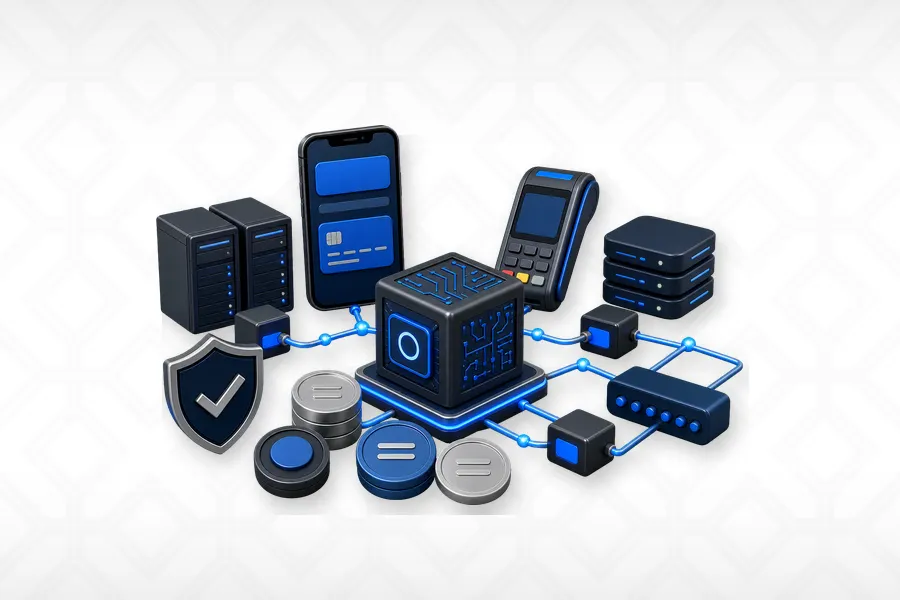
Circle's USDC machine-payment specification points to a practical answer: stablecoins can serve as a settlement layer for autonomous transactions. For agentic commerce, the advantage is not speculation. The advantage is predictable value, programmable transfer and faster settlement between wallets, applications and services.
Stablecoins are useful because they reduce one of the biggest problems in automated payments: price uncertainty. A human may accept volatility when choosing to hold crypto, but an AI agent paying for a service needs a clearer unit of account. Businesses also need records that make sense in accounting systems. That is why assets such as USDC and USDT remain central to the payment conversation.
Machine payments also require interoperability. An agent may operate in one app, the merchant may use another service, and settlement may happen through a different network. If stablecoin payment standards can connect those layers, crypto becomes more useful for software-driven commerce. This is especially relevant for crypto wallets that want to move beyond storage and become permission managers for user-approved transactions.
The key point is that AI agents do not make payments simpler by themselves. They make payment infrastructure more important. The wallet, gateway, stablecoin rail and merchant system must work together so the user can trust the agent's activity.
Legal Guardrails Are Part of the Payment Stack
Agentic commerce also needs legal infrastructure. When a human clicks a checkout button, the intent is usually clear. When an agent acts on behalf of a user, the system must answer harder questions. Was the agent authorized? Did it stay within spending limits? What happens if the product is wrong, the service fails or the agent chooses a bad vendor? Who can resolve the dispute?
This is why legal guardrails for AI agents matter for crypto payments. Payments are not only about moving value. They also involve consent, liability, records, fraud controls and dispute resolution. If agent payments become common, merchants and payment providers will need rules that make those transactions acceptable in normal commerce.
For businesses that want to accept crypto payments as a merchant, this matters because autonomous payments could bring new customers and new risks at the same time. An agent may be efficient, but merchants still need proof of authorization and a clean settlement process. Payment providers that can combine stablecoin rails with permission controls and dispute workflows will have an advantage.
Wallets Will Become Permission Engines
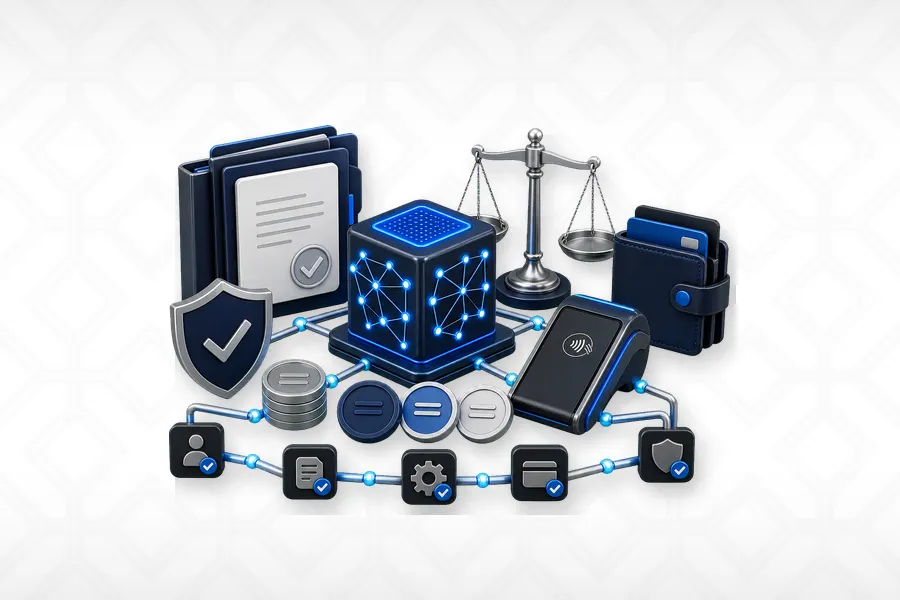
In an AI-agent payment world, wallets become more than places to hold assets. They become permission engines. A user may allow an agent to spend up to a specific amount, pay only approved merchants, use only certain stablecoins or require confirmation for larger purchases. A business may allow agents to pay suppliers under a procurement policy or renew software services within a monthly budget.
That changes the role of wallet design. A wallet must show not only balances, but also rules, approvals, limits, merchant identities and payment history. It must help users understand what their agents can do. For crypto adoption, this is important because trust is the main barrier. People will not allow software to spend money unless the wallet makes control visible and reversible.
This is also where shops accepting cryptocurrency and service providers may benefit. If AI agents can discover crypto-friendly merchants, compare services and execute approved purchases, merchants that already support crypto payments could become easier for automated commerce to use.
What This Means for Crypto Payment Adoption
AI-agent payments are still early, but the direction is becoming clearer. Agent marketplaces create demand. Stablecoin machine-payment protocols create rails. Legal guardrails create trust. Wallets and gateways turn all of that into a practical user experience.
For users, the benefit could be convenience: agents handling routine purchases, subscriptions and service decisions. For merchants, the benefit could be new automated demand and smoother settlement. For payment providers, the opportunity is to build infrastructure that handles both human and machine-initiated transactions.
The next stage of crypto payments may not be only about where people can pay with Bitcoin and other cryptocurrencies. It may also be about which wallets, gateways and merchants are ready for approved autonomous transactions. AI agents could become the next payment user, but only if crypto infrastructure makes those payments controlled, stable and commercially trustworthy.
