
 English
 Français
 Español
 Português
 BTC
BTC
 ETH
ETH
 LTC
LTC
 BCH
BCH
 USDT
USDT
 DOGE
DOGE
 DASH
DASH
 USDC
USDC
 XRP
XRP
 XMR
XMR
 TRX
TRX
 BNB
BNB
 SHIB
SHIB
 SOL
SOL
 DAI
DAI
 ZEC
ZEC
 ETC
ETC
 POL
POL
 ADA
ADA
 XLM
XLM
Cryptocurrency was once only of interest to tech enthusiasts, but now millions of people use it as a form of payment every day. In 2025, more people will use cryptocurrencies for entertainment, travel, everyday needs, and even pricey purchases. Keeping coins in a digital wallet for investment purposes is no longer as important as real-world application. This article explores the most popular applications of cryptocurrencies today and discusses their importance for the future financial system.
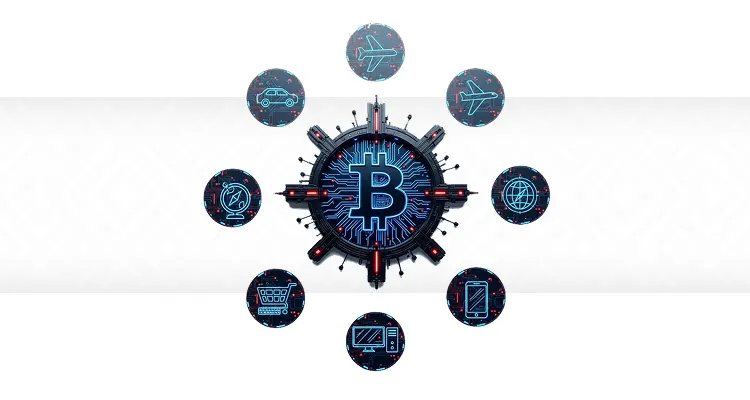
Digital Entertainment and Everyday Purchases
One of the biggest changes is the increasing use of cryptocurrencies for regular transactions. These days, coffee shops, restaurants, and online retailers list Bitcoin, Ethereum, and even stablecoins as payment options. Apps and debit cards linked to digital wallets have made using cryptocurrencies as easy as tapping a card. By 2025, the list of companies that accept cryptocurrency has grown internationally, with Starbucks and PayPal being the first in the US.
The entertainment sector is also one where cryptocurrencies shine. On digital marketplaces, streaming services, and video game platforms, users can now make direct payments using digital currency. Gamers commonly use cryptocurrency to buy add-ons or to trade digital assets with one another. Compared to using a credit card, it feels faster and more flexible for modern users who are used to using digital currency.
Within this digital entertainment ecosystem, crypto gambling has also grown. Many new crypto casinos now offer more seamless experiences than traditional websites. The top ones provide greater security, bigger bonuses, and simple access to well-liked games. Although casinos are only one element, they serve as an example of how digital currency can expedite and elevate payments for digital entertainment.
Travel and Tourism
Travellers are increasingly using cryptocurrency to pay for experiences, lodging, and airfare. By allowing travellers to pay with QR codes and exchange Bitcoin or Ethereum into local currency, government-backed pilot programs in countries like Thailand have removed exchange hassles. Thanks to the involvement of airlines and booking platforms, travellers can now choose to pay with stablecoins or Bitcoin directly.
For frequent travellers, this resolves a persistent problem. Instead of paying bank fees for international transfers or running the risk of losing money due to exchange rates, they can carry out secure transactions right away. Many hotels also provide small discounts for cryptocurrency payments because it saves them money on processing fees.
Compensation and Wages for Independent Contractors
Another area where cryptocurrency spending is common is payroll, where remote work has contributed to the trend. More platforms for employers and freelancers are taking Bitcoin or stablecoin payments. In places where traditional banking systems can be expensive or slow, this is especially popular.
Workers appreciate that they can get paid more often and instantly than they would with traditional wire transfers. Freelancers also avoid the lengthy wait times that come with international transfers. Businesses can now more easily access talent from around the globe without worrying about bank restrictions thanks to cryptocurrency payments.
Donations to Charities
Crypto donations are being accepted by charities and nonprofits, and this sector has grown significantly since 2025. Bitcoin, Ethereum, and other coins are now directly accepted by large organisations. Some even create emergency relief wallets, which enable money to get to impacted areas in a matter of hours as opposed to days.
The transparency of blockchain payments benefits donors as well. Trust is increased because anyone can see where money is going. Giving in this way has grown in popularity among younger donors who place a high importance on accountability.
Large Investments and Real Estate
The real estate market has also been affected by cryptocurrency. Developers now accept Bitcoin for down payments or even full home purchases in the US, Europe, and some parts of Asia with easy-to-use crypto conversion platforms. The option is becoming more accessible, even though banks and regulators continue to impose stringent regulations.
Additionally, investors use cryptocurrency to purchase jewellery, artwork, and expensive cars. Because the transaction is quick and safe, sellers sometimes favour cryptocurrency. These expensive acquisitions demonstrate that digital assets are no longer viewed as a niche market but rather as a legitimate means of exchanging value.
Conclusion
By 2025, using cryptocurrency is a commonplace occurrence rather than a sci-fi fantasy. Digital currencies are being used for shopping, entertainment, travel, salary payments, charitable donations, and even home purchases. In addition to these applications, new cryptocurrency casinos demonstrate how the entertainment industry is developing with increased security, greater payouts, and more seamless gaming experiences.
