
 BTC
BTC
 ETH
ETH
 LTC
LTC
 BCH
BCH
 DOGE
DOGE
 USDT
USDT
 DASH
DASH
 XRP
XRP
 USDC
USDC
 XMR
XMR
 BNB
BNB
 TRX
TRX
 SHIB
SHIB
 DAI
DAI
 ZEC
ZEC
 SOL
SOL
 ETC
ETC
 POL
POL
 XLM
XLM
 ADA
ADA
Digital entertainment has become more than just games and streaming. It’s now a space where blockchain technology plays a big role in how users pay, play, and interact. If you’ve ever wondered what makes crypto payments different — especially when comparing on-chain and off-chain transactions — this is where it becomes clear.
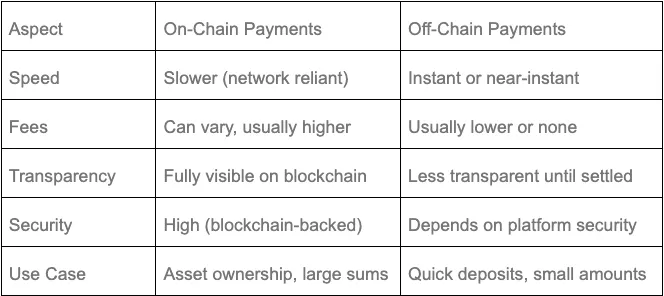
These two methods represent how blockchain handles transactions, but they serve very different purposes. On-chain transactions happen directly on the blockchain and require network confirmations. This makes them secure, transparent, and permanent. However, they can sometimes be slower or carry higher fees, depending on the network load.
Off-chain transactions, meanwhile, take place outside of the blockchain. These might happen through internal databases between platforms or by using payment channels designed to settle later on-chain. The result is faster processing and lower fees, but with less transparency until they are finalized.
How On-Chain and Off-Chain Payments Support Crypto Entertainment
In the world of crypto entertainment, flexibility is key. Platforms that offer both on-chain and off-chain solutions give users a choice: speed or transparency. For example, when playing blockchain-based games or using decentralized apps (dApps), on-chain payments might be preferred to secure ownership of digital assets or in-game currencies.
Off-chain, on the other hand, is all about convenience. If a platform supports fast-moving games or services where waiting for confirmations disrupts the experience, off-chain transactions smooth the process. This is especially true for casino entertainment platforms using crypto.
Many digital gaming sites have embraced this technology not just for speed, but for security and privacy too. One area where this shines is with crypto-based slot games. The popularity of Bitcoin slots reflects how users enjoy fast, secure gameplay without the friction of traditional payment methods. These Bitcoin slots often benefit from blockchain’s ability to verify fairness, while off-chain options keep the experience smooth and responsive.
Following this, those new to the space often seek more guidance on how crypto fits into digital entertainment. A helpful starting point is this guide on what is crypto, which explains blockchain basics from a player’s perspective. It’s a useful resource for anyone trying to understand how digital currencies intersect with online gaming environments.
The Practical Differences Between On-Chain and Off-Chain
Why does this distinction matter for players and platforms alike? It comes down to efficiency and user experience. On-chain transactions are great when users want records etched on the blockchain forever. This makes them ideal for larger sums, purchases of unique digital assets, or anything where verification matters.
Off-chain shines in scenarios where speed trumps everything else. In digital entertainment, this might mean funding your account instantly, participating in live gaming experiences, or moving smaller amounts frequently. Both serve their place. Knowing when to use each allows users to make smarter decisions — whether they’re gaming, streaming, or interacting with NFTs.

Why This Matters for Casinos and Players
Casinos that accept crypto are a strong example of how this technology is reshaping entertainment. Offering both on-chain and off-chain payment methods allows them to cater to a wide range of player preferences. Some players prioritize privacy and fast deposits or withdrawals, favoring off-chain. Others want the reassurance of blockchain confirmations.
Within this ecosystem, Bitcoin slots provide a familiar yet modern gaming option. Players benefit from blockchain-backed fairness while enjoying the convenience of crypto transactions. It’s this balance of security and speed that keeps these platforms appealing to a broad audience.
The adoption of blockchain in entertainment is more than a passing trend. It’s helping shape a future where users have more control over their payments, data, and experiences. By understanding how both on-chain and off-chain work, players can make choices that fit their habits and expectations.
A Simple Comparison of On-Chain vs Off-Chain for Entertainment
Understanding On-Chain vs. Off-Chain
As digital entertainment keeps evolving, crypto continues to shape how users interact with platforms. From blockchain games to Bitcoin slots, the shift toward decentralized payments reflects a demand for more freedom and flexibility. Understanding on-chain and off-chain is part of this journey. It helps users navigate choices with confidence, whether they’re exploring new platforms or simply enjoying familiar games with a modern twist.
Ultimately, the right method depends on your needs — speed, security, or a balance of both. Knowing the difference puts the power back in your hands.
How to Choose Between On-Chain and Off-Chain for Your Needs
When deciding between on-chain and off-chain transactions, it helps to assess your specific goals. If you prioritize transparency, security, and permanent records — especially for larger sums or valuable digital assets — on-chain is usually the smarter option. However, if your focus is on fast, convenient, and frictionless experiences, off-chain solutions often fit better.
Understanding the benefits of both methods gives users more confidence when choosing what aligns with their habits and expectations. In the end, whether you’re spinning reels, collecting NFTs, or interacting with blockchain games, knowing how your payments work helps ensure a safer and more enjoyable experience.