
 BTC
BTC
 ETH
ETH
 LTC
LTC
 BCH
BCH
 DOGE
DOGE
 USDT
USDT
 DASH
DASH
 XRP
XRP
 USDC
USDC
 XMR
XMR
 TRX
TRX
 BNB
BNB
 SHIB
SHIB
 DAI
DAI
 ZEC
ZEC
 SOL
SOL
 ETC
ETC
 POL
POL
 XLM
XLM
 ADA
ADA
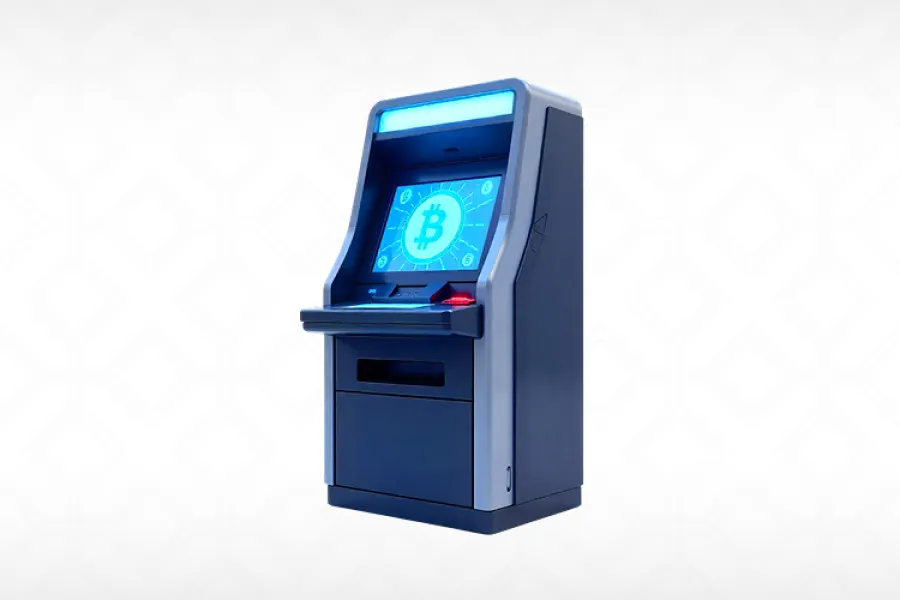
Buying cryptocurrency feels complicated. Identity verification. Linked bank accounts. Elaborate wallet setups. Endless apps and security fears paralyze curiosity. New users are overwhelmed by the complex and detached process. It’s time-consuming. As such, many people hesitate before they can even make their first transaction.
A simple kiosk removes those barriers. With a crypto ATM, the process is quicker and more familiar. A small screen becomes your guide. There’s no steep learning curve. It doesn’t say a word. It teaches core principles of crypto without jargon and delay. This becomes a silent mentor.
How ATMs Can Teach Users the Basics of Crypto
Interaction is at the core of crypto ATMs. Its interface provides immediate lessons. There are no long sign-ups and wallet setups. Instead, simple and familiar steps confront users.
The procedures can be slightly different, depending on the ATM you’re using. In most cases, it starts with identity verification. You may provide your mobile number, and a verification code is sent before you can proceed.
Next, you’ll provide a destination address. It defines self-custody. Scan a QR code from your phone. This acts as a bridge, connecting your digital wallet to the physical world. Machines can’t proceed without your directive.
The screen displays clear numbers as you go through the next step. The exchange rate is displayed. You can see the network fee and the final amount you will receive. This is a lesson in transparency. All items are visible upfront. No hidden costs. The system is open and verifiable.
You’ll insert cash, and the machine waits for your final command. Confirm the transaction by pressing a button. This moment teaches finality. You can't cancel it. This demonstrates blockchain’s immutability. Your action is permanent at that point.
The machine then prints a receipt with the transaction ID. This becomes your proof and key to the public record. You can use a blockchain explorer to look up the ID. This curiosity leads to discovery.
ATM networks like ByteFederal.com make educating users possible. They provide physical touchpoints for digital assets. Their machines teach without words. More than making crypto more accessible, these ATMs eliminate hesitation while leaving valuable lessons about how crypto works.
Why a Silent Teaching Model Works for Beginners
You can watch videos and online tutorials to learn a thing or two about crypto. It overwhelms beginners. New users face information overload. Complex terms create barriers. A silent teaching model changes the game. It focuses on action. The learning-by-doing model builds understanding naturally. It turns anxiety into ability.
Reduces Cognitive Overload
The machine presents one step at a time. A focused sequence prevents confusion. There is no lengthy lecture. The interface guides without complications. A minimalist approach respects a beginner’s mental space. Visuals translate blockchain activity into easy-to-understand concepts.
Builds Confidence Through Action
Users perform the process themselves. Each step completed reinforces a person’s capabilities. The machine provides immediate visual confirmation. This direct experience is more powerful than any video tutorial. Beginners gain confidence and control as uncertainty is eliminated.
Leverages a Familiar Action
A crypto ATM is basically a cash machine. People already understand how ATMs work. They know how to insert cash. The interface is familiar, which builds trust in the new technology. A hands-on process demystifies digital assets. It increases adoption as well.
Encourages Active Learning
Active participation deepens understanding. A user must touch the screen, insert cash, and press the confirmation button. Doing builds memory faster than reading. The machine turns abstract ideas into physical actions.
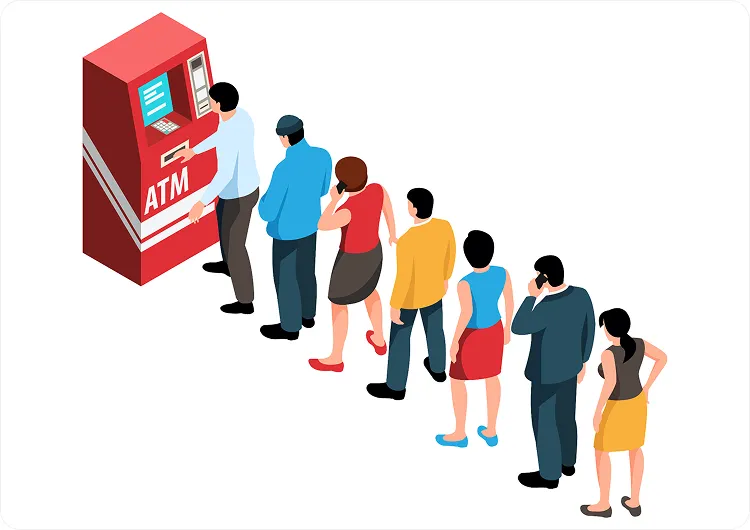
Critical Features of a Crypto ATM
How can ATMs become more effective in teaching crypto? The features are crucial. They should do more than just allow users to buy crypto conveniently. Here are some must-haves:
- Reliable Customer Support: Problems happen. And they can be frustrating when support is nonexistent. Operators must provide support representatives ready to lend a hand. It’s nice to have a website that educates users on the features and procedures.
- High-Quality Infrastructure: Top-notch software and hardware make transactions smoother. They encourage repeat interactions.
- Intuitive Interface: While users are already familiar with how cash machines work, their experience can be ruined by a clunky interface. Clear icons and prompts allow users to learn faster.
- Real-Time Feedback: Instant visual and audio responses guide users. They assure users are on the right path. They help explain what their actions mean.
Challenges and Considerations
ATMs are silent teachers. But that way of educating learners comes with hurdles. Addressing these problems is essential to make the process seamless.
Price Volatility During Transactions
A shifting exchange rate confuses beginners. The price on the screen may change before transaction confirmation. This delay creates confusion. Worse, it results in a financial loss. Users need clear and upfront warnings about potential fluctuation during transactions.
Regulatory Requirements
Operators of crypto ATMs must emphasize regulatory compliance. Identity verification and reporting rules must be followed. Doing so should be done while balancing user convenience. Machines should prioritize seamless and intuitive experiences while adhering to legal requirements.
Limited Educational Scope
Crypto ATMs can teach basic crypto concepts. But it cannot serve everything on a silver platter. Some broader ideas require a more technical understanding. A user might leave with false confidence, believing they understand the entire crypto ecosystem.
Physical Security Concerns
A poorly-lit kiosk in a shady location undermines the lesson on self-custody. Users worry about personal safety. This makes the ATM fail in educating people. Security concerns shift attention from the digital process to the physical environment.
Dependence on User Initiative
The teaching model requires user curiosity. A passive participant might just push buttons. They complete the purchase but miss the underlying principles. The quality and effectiveness of education depend on the initiative of the user. Operators must find a way to engage them.
Wrapping Up
ATMs are redefining what it means to make crypto more accessible. But beyond convenience, they are also changing the way people are educated. These machines provide tangible tools that bring overwhelming concepts to life.
Many people learn about crypto through articles and videos. This is passive consumption. A physical kiosk, on the other hand, demands active participation. The transition from observer to participant cements knowledge.
