
 BTC
BTC
 ETH
ETH
 LTC
LTC
 BCH
BCH
 DOGE
DOGE
 USDT
USDT
 DASH
DASH
 XRP
XRP
 USDC
USDC
 XMR
XMR
 TRX
TRX
 BNB
BNB
 SHIB
SHIB
 DAI
DAI
 ZEC
ZEC
 SOL
SOL
 ETC
ETC
 POL
POL
 XLM
XLM
 ADA
ADA
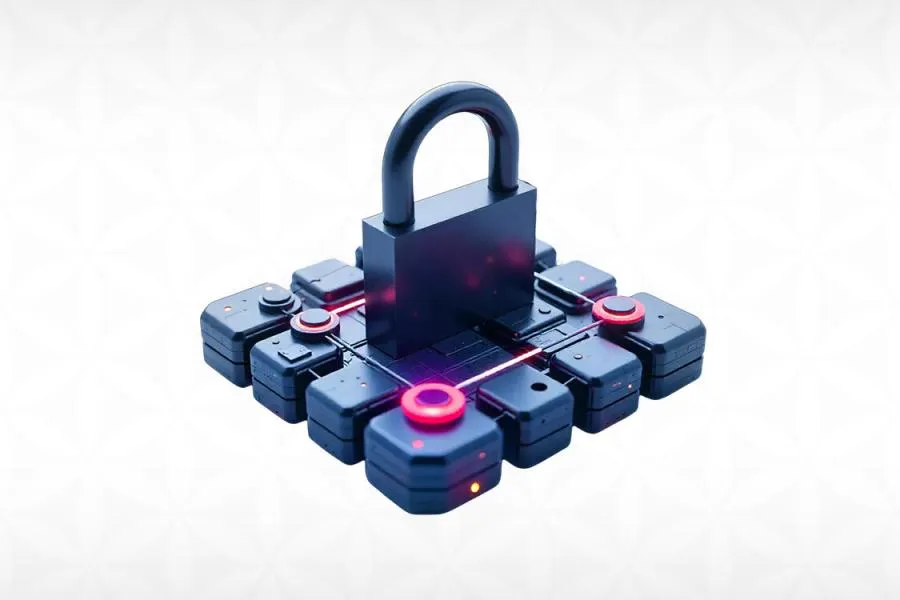
If you’ve ever waited for an international bank transfer to clear or worried about whether your payment details were safe online, you’re not alone. Traditional systems work, but they’re far from perfect. Transactions can take days, fees add up, and the risk of data breaches is always present. That’s where blockchain comes in.
What’s Wrong with the Old Way?
Before we get into blockchain, let’s look at the pain points in the systems we rely on today. Banks and payment processors act as intermediaries. They check balances, authorise transfers, and record everything in central databases.
The problems with this model are:
- Delays – Cross-border payments often pass through multiple banks, each adding time.
- Costs – Every intermediary charges fees, eating into the money being sent.
- Security risks – Centralised databases are prime targets for hackers.
- Transparency issues – Users can’t always see where their money is in the process.
Blockchain was built to tackle exactly these issues.
The Blockchain Model Explained
Blockchain is a digital ledger shared across a network of computers. Every transaction is recorded in blocks, and those blocks are chained together in a permanent history.
Here’s what makes it secure:
- Decentralisation – No single bank or server controls the ledger.
- Encryption – Transactions are locked with cryptography that’s extremely hard to break.
- Consensus rules – The network has to agree before anything new is added.
- Immutability – Once a block is added, it can’t be altered without rewriting the chain.
This design means fraud is harder to pull off, errors are easier to spot, and everyone in the network has the same version of the truth.

Where It’s Already Being Used
The most visible example is cryptocurrency. Every Bitcoin transaction, for instance, is verified and recorded on its blockchain. But that’s just the start.
- Cross-border payments – Companies now move funds in minutes instead of days.
- Smart contracts – Agreements coded into the blockchain execute automatically.
- Identity management – Digital IDs reduce the need to store personal details in vulnerable databases.
- Trading – A modern cryptocurrency trading platform wouldn’t function without blockchain to validate ownership and secure transfers.
Even outside finance, supply chains, healthcare records, and voting systems are starting to adopt blockchain for its transparency and security.
Why Businesses Care
For companies, blockchain addresses two big pain points: cost and trust.
- Lower costs – By cutting out middlemen, fees drop.
- Faster processing – Payments settle in real time or near-real time.
- Global reach – Businesses can serve customers in markets where banking infrastructure is weak.
- Audit trails – Transactions are transparent and traceable, making compliance easier.
For small businesses, this can level the playing field, giving them access to the same secure and efficient systems as larger corporations.
How It Improves Trading
For traders, security is a necessity. Fraud, price manipulation, and poor execution can wipe out gains quickly. Blockchain strengthens trading environments by ensuring that:
- Trades are verified instantly.
- Records are transparent and tamper-proof.
- Settlements are faster, reducing counterparty risk.
Even tools outside crypto markets are adapting. A CFD trading platform may use blockchain data to improve price feeds and enhance risk controls, giving traders a clearer picture of the market they’re operating in.
Everyday Scenarios
To make this less abstract, let’s walk through a couple of situations where blockchain makes a difference.
Sending money abroad – Instead of waiting three days and losing 5% in fees, a blockchain-based transfer arrives in minutes with far lower costs.
Running a small business online – Customers pay with digital assets, and the payment is locked into the blockchain ledger. There’s no dispute over whether the funds arrived.
Trading crypto – A trader buys Ethereum on a blockchain-based platform. The ownership transfer is instant, recorded, and secure. There’s no middleman holding the funds in between.
Each of these examples shows the same principle: less reliance on central authorities, more trust in the system itself.
Blockchain is the Future
Blockchain isn’t hype anymore. It’s a practical solution to some of the biggest flaws in traditional finance: delays, high costs, and weak transparency. As adoption grows, the gap between old systems and blockchain-based finance will only get wider. The question isn’t whether blockchain will shape the future of financial transactions; it already is.
FAQs
Is blockchain really unhackable?
Not completely, but it’s far harder to compromise than traditional databases. To hack a blockchain, someone would need control of most of the network at once, which is extremely difficult and expensive.
Can small businesses actually use blockchain?
Yes. Many payment providers and platforms now integrate blockchain behind the scenes, so businesses don’t need to build their own systems to benefit.
How does it cut costs?
By reducing intermediaries. Instead of multiple banks handling a transfer, the blockchain verifies and records it directly.
Does it only matter for crypto?
No. While it powers crypto, blockchain is being applied in banking, supply chains, healthcare, and more.
Will regulation slow it down?
Regulation is more likely to shape blockchain’s future than stop it. Clearer rules can actually build trust and encourage adoption.
