
 English
 Français
 Español
 Português
 BTC
BTC
 ETH
ETH
 LTC
LTC
 BCH
BCH
 USDT
USDT
 DOGE
DOGE
 DASH
DASH
 USDC
USDC
 XRP
XRP
 XMR
XMR
 TRX
TRX
 BNB
BNB
 SHIB
SHIB
 SOL
SOL
 DAI
DAI
 ZEC
ZEC
 ETC
ETC
 POL
POL
 ADA
ADA
 XLM
XLM

Sweepstakes casinos have grown fast over the past few years, but plenty of players still approach them with a raised eyebrow. Part of that comes down to how the model works. Because instead of cash these casinos use sweeps coins alongside a separate play-money currency, some newcomers assume the whole setup is a workaround rather than a legitimate form of entertainment.
Independent review site have been tracking online gaming operators for years, breaking down exactly how that dual-currency structure holds up under US law, which helps explain why the model isn't the loophole it might first appear to be. Regulators keep a close eye on the sector too, and questions about how the random number generators behind the reels actually function rarely go away for long. A handful of platforms are now testing whether blockchain technology can do something the fine print never quite manages: prove fairness rather than just claim it.
A Familiar Problem in a New Industry
None of this is a new idea in gambling more broadly. Land-based casinos went through their own version of this shift decades ago, when independent auditors started certifying slot machine payout percentages after years of players assuming the odds were quietly stacked against them. Blockchain advocates argue their version does the same job faster and without needing to trust a third-party auditor's word for it. Whether that argument holds up depends heavily on which part of the process actually gets put on a blockchain, since the technology solves some problems far better than others.
Provably Fair Gaming and What It Actually Verifies
The idea behind provably fair systems is not new to online gambling, but it works differently once cryptographic hashing gets involved. A game outcome is generated, hashed, and published before a round begins, so a player could theoretically check afterward that the result was not altered. Some operators have started working with outside crypto services to build these hash chains, mostly because building the infrastructure in-house takes specialised knowledge most gaming studios simply do not have on staff. It does not eliminate every source of doubt. A hash proves a number was not tampered with after the fact, not that the underlying algorithm generating it was fair to begin with, and that distinction gets lost in a lot of marketing copy.
Smart Contracts and the Redemption Question
Prize redemption is where sweepstakes casinos tend to draw the most criticism, usually because payout timelines and verification steps can feel opaque from the player's side. Smart contracts offer a way to automate that process so redemption terms are written into code rather than buried in a terms-of-service document nobody reads. A handful of smaller operators have partnered with blockchain services to pilot this, releasing funds automatically once identity checks clear rather than leaving the timeline to a support queue. The catch is that smart contracts only enforce what they are told to enforce. If the underlying rules still favour the house in ways players cannot see, moving those rules onto a blockchain does not make them any fairer, just harder to quietly change without anyone noticing.
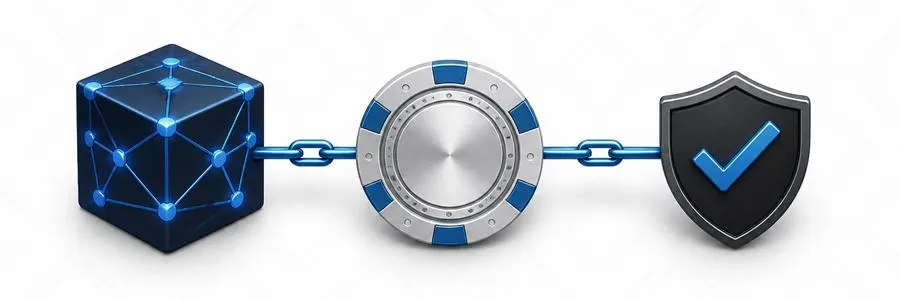
Tracking Money Without Losing the Trail
Immutable transaction records solve a narrower but genuinely useful problem, which is proving that money moved the way an operator says it did. Traditional sweepstakes platforms rely on internal ledgers that players simply have to trust, and that trust has occasionally been misplaced across the wider gaming industry. Distributed ledgers make it far harder to alter records after the fact, since the same distributed ledger technology already powers currencies such as Bitcoin, where transaction histories are effectively permanent. Loyalty programs and digital reward platforms outside the iGaming space have started experimenting with similar tracking for much the same reason.
Identity Checks Without Handing Over Everything
Decentralized identity verification tackles a different piece of the puzzle: fraud prevention without forcing players to surrender more personal data than necessary. A verified credential can sit with the user, functioning a bit like a digital wallet for proof of age or location, and get checked against a platform without the platform storing a full copy of every document submitted. That reduces how much sensitive information sits on a casino's servers waiting to be breached.
Adoption remains patchy, and there is a decent chance it stays that way for a few more years. Most sweepstakes operators still run standard identity checks through third-party vendors, and building decentralized verification into an existing compliance system is not a quick swap. It usually means rebuilding onboarding flows that already work well enough, which is a hard sell to a compliance department that would rather not fix something unbroken. Whether the trust these tools promise ever fully replaces the trust players currently place in regulators and reputation remains an open question, and probably will for a while yet.
