English
 Français
 BTC
BTC
 ETH
ETH
 LTC
LTC
 BCH
BCH
 USDT
USDT
 DOGE
DOGE
 DASH
DASH
 USDC
USDC
 XRP
XRP
 XMR
XMR
 TRX
TRX
 BNB
BNB
 SHIB
SHIB
 SOL
SOL
 DAI
DAI
 ZEC
ZEC
 ETC
ETC
 POL
POL
 ADA
ADA
 XLM
XLM
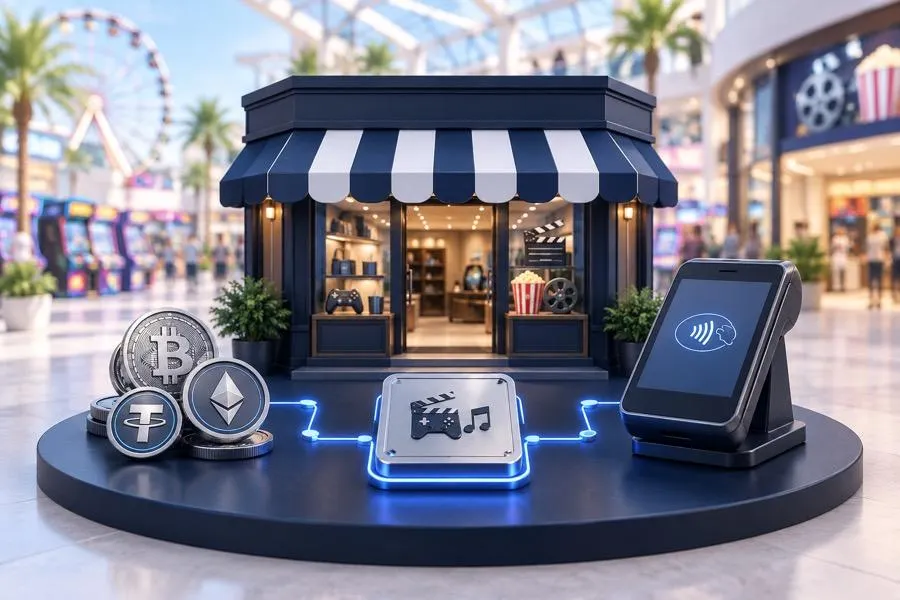
For a growing number of merchants, accepting Bitcoin and altcoins stopped being an experiment a while ago. A coffee roaster takes USDT at the counter, a web host bills clients in Ethereum, and a boutique clothing shop lists Litecoin alongside its card terminal. Once a business gets comfortable settling everyday transactions in digital coins, a curious thing happens: the same wallet used to send an invoice starts getting used for leisure too. The line between spending crypto on goods and spending it on Bitcoin casinos, sports betting sites, and other crypto-friendly entertainment grows thin, and that's where a lot of the momentum ends up flowing.
That drift toward digital play has a natural landing spot. The crypto casinos reviewed and ranked for 2026 are judged on the exact factors a crypto-native merchant already cares about: which coins they accept, how quickly winnings settle, the size and terms of their bonuses, and whether identity checks are light or heavy. These reviews also break down how such sites actually function under the hood u2014 how blockchain records keep gameplay verifiable, how random number generation stays provably fair, and where the real trade-offs sit between privacy and convenience. For someone who has spent months learning the ins and outs of accepting crypto, that kind of coin-by-coin, payout-by-payout breakdown reads like familiar territory rather than a foreign world.Why Merchants Are the Natural Crossover Crowd
Merchants who accept crypto have already done the hard homework. They know the difference between an on-chain confirmation and a Lightning transaction. They understand gas fees, stablecoin depegs, and why a Monero payment behaves differently from a Bitcoin one. That knowledge doesn't switch off at closing time. So when a shop owner who processes crypto payments all day wants to unwind, the friction that stops most people simply isn't there. No new payment rail to learn, no card to dig out, no bank hold to wait on. The coins are sitting in a wallet, ready to move. Entertainment sites that speak the same language u2014 accepting the same tokens, settling to the same addresses u2014 feel like an extension of the business day rather than a departure from it.The Payment Rails Everyone Already Shares
The technology underneath is the real connective tissue. A merchant who added Lightning to speed up small in-store purchases discovers that the same network is quietly reshaping how winnings move online. Coverage of how Lightning is transforming iGaming payouts describes exactly the kind of near-instant, low-fee settlement that made Lightning attractive at the point of sale in the first place. That overlap matters. The gateways, wallets, and coin support cataloged across a crypto spending directory are the same building blocks entertainment operators rely on. When a business already trusts a particular stablecoin for invoicing, sending that stablecoin to a gaming cashier involves zero new trust u2014 it's the identical rail, just pointed at a different destination. The learning curve that keeps newcomers cautious has already been climbed.Big Venues Are Blurring the Line Too
This crossover isn't confined to online-only operators. Established physical venues have started bolting crypto acceptance onto their existing operations, which sends a strong signal to merchants watching adoption trends. One widely reported example saw a tribal casino roll out an industry-first cryptocurrency system, letting guests move between digital coins and gaming credit on-site.