
 English
 Français
 BTC
BTC
 ETH
ETH
 LTC
LTC
 BCH
BCH
 USDT
USDT
 DOGE
DOGE
 DASH
DASH
 USDC
USDC
 XRP
XRP
 XMR
XMR
 TRX
TRX
 BNB
BNB
 SHIB
SHIB
 SOL
SOL
 DAI
DAI
 ZEC
ZEC
 ETC
ETC
 POL
POL
 ADA
ADA
 XLM
XLM
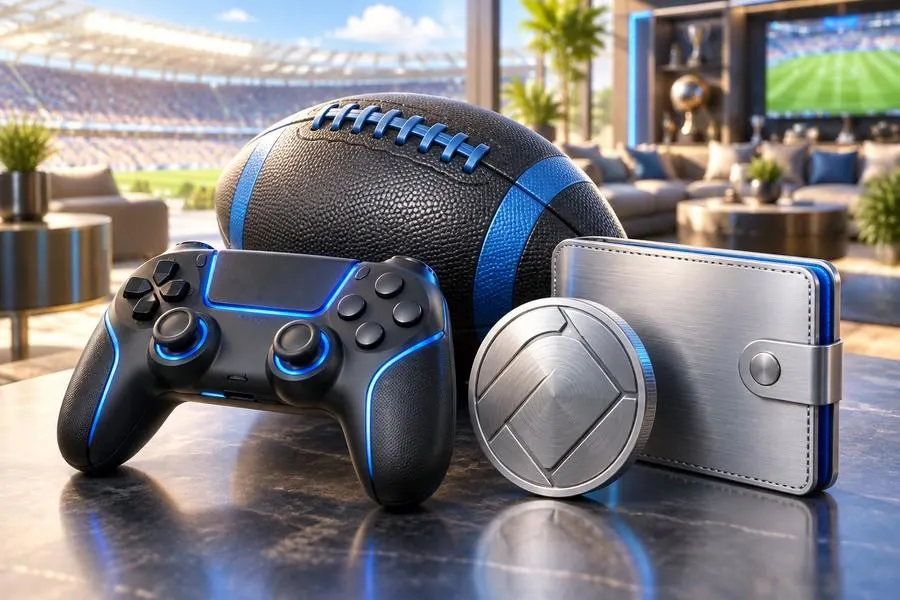
A football supporter can now spend part of an evening in a club Discord, switch to a football game, check a token tied to a sports project and then watch highlights without leaving the same small group of apps. None of those activities is especially unusual on its own. What is changing is how often the same people move between them.
The overlap is easy to see in gaming communities, where people often move between different forms of entertainment during the same session. A user might open spino, switch to a live sports stream, check a Discord chat and then return to a game without treating any of those activities as separate worlds.or all of them.
Sports communities are starting to behave more like gaming communities
Gaming has spent years building spaces where people talk between sessions, share clips, compare results and follow creators. Sports communities increasingly work the same way.
A fan Discord may be busy long before kick-off. Supporters discuss line-ups, post memes, react to transfer news and stay after the match to argue about one decision. The match gives the group something to talk about, but the community exists all week.
That makes the experience much closer to a game server than an old message board. The conversation is continuous, fast and often organised around live events.
Fan tokens gave clubs a new digital experiment
Crypto entered sport partly through sponsorships, while fan tokens created a more direct link. Some clubs have used them for polls, digital rewards or access to selected experiences, giving supporters another way to interact beyond tickets and merchandise.
The harder part is keeping the technology simple. Many fans care about the club more than learning how wallets work, so the most accessible projects keep that technical side largely in the background.
Gaming provides the easiest bridge
Sports games already connect fans with digital competition. Football, basketball and racing titles let players build squads, follow real athletes and recreate fixtures shortly after they happen.
Crypto projects have tried to enter that space through digital collectibles, tradable items and blockchain-based ownership. The results vary, but the idea is easy to understand: a digital item is tied to a player, team or game and can move between users. The overlap usually appears in a few familiar places:
Fantasy-style competitions linked to real results.
Digital player cards and collectibles.
Club or league community channels.
Creator streams covering both games and sport.
Wallet-based rewards connected to events.
These formats work because they start with interests people already have. A football fan does not need to become a crypto enthusiast first if the product is built around the club, player or competition they already follow.
Creators are carrying audiences across categories
A streamer who starts with football commentary may later cover a football game, a digital collectible launch or a sports-related crypto project. The audience often follows because the creator is the familiar part, not the category.
This is one reason the lines between communities are getting harder to draw. Fans may enter through sport, stay for gaming content and occasionally explore crypto-related features without seeing those interests as separate hobbies.
The reverse happens too. Someone interested in gaming may start following a real team because a title, esports event or creator introduced them to it.
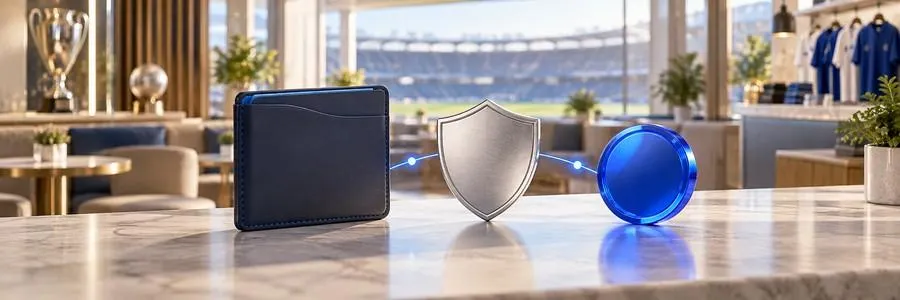
Digital wallets could become more ordinary than the crypto label
The strongest overlap may come from technology users barely notice. If tickets, collectibles or in-game items work without complicated setup, people can use blockchain-based systems without thinking about the infrastructure behind them.
That is already how many digital services succeed: users care that something works quickly and has a clear purpose. In crypto, gaming and sport, communities, digital items and live events are increasingly providing that connection.
