
 English
 Français
 Español
 BTC
BTC
 ETH
ETH
 LTC
LTC
 BCH
BCH
 USDT
USDT
 DOGE
DOGE
 DASH
DASH
 USDC
USDC
 XRP
XRP
 XMR
XMR
 TRX
TRX
 BNB
BNB
 SHIB
SHIB
 SOL
SOL
 DAI
DAI
 ZEC
ZEC
 ETC
ETC
 POL
POL
 ADA
ADA
 XLM
XLM
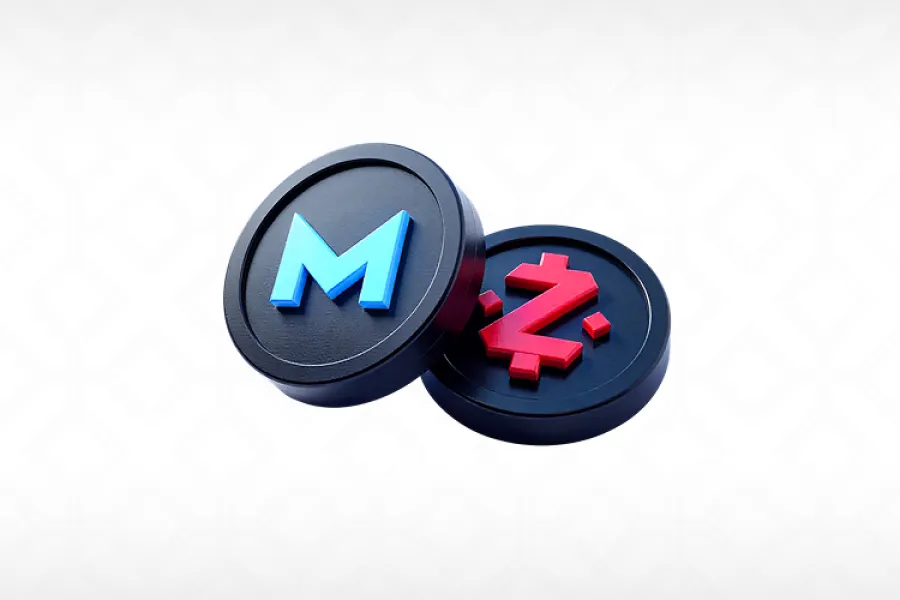
In today's digital world, where every transaction leaves a trail, people are turning to cryptocurrencies that promise real anonymity. Monero and Zcash stand out as beacons for those worried about governments and corporations peeking into their finances.
With global surveillance ramping up, these privacy-focused coins have seen explosive growth, drawing in investors who value discretion over transparency. The fear of constant monitoring, from data breaches to strict regulations, fuels this trend, making privacy not just a feature but a necessity.
As more folks enter the crypto space, navigating legal hurdles becomes key. If you're setting up a business here, firms like LegalBison at https://legalbison.com/ specialize in helping you secure VASP and FinTech licenses without the usual headaches. They guide through paperwork and compliance, letting you focus on innovation rather than red tape.
Monero's Meteoric Rise
Monero has been on a tear lately, smashing through its previous highs amid heightened privacy demands. Back in 2021, it peaked at around five hundred seventeen dollars, but fast forward to January 2026, and it hit a stunning all-time high of over six hundred forty-nine dollars. This surge came hot on the heels of a twenty-one percent jump in a single day, pushing past six hundred eleven bucks. Analysts point to a silver-like breakout pattern, where the coin's untraceable nature attracts users fleeing traceable blockchains. With aggressive know-your-customer rules tightening worldwide, Monero's ring signatures and stealth addresses make it a go-to for secure, hidden transfers. No wonder its market cap swelled as investors bet on sustained demand.
Zcash's Shielded Strength
Zcash, another heavyweight in the privacy arena, uses zero-knowledge proofs to let users shield transactions while optionally revealing details for audits. Launched in 2016, it skyrocketed to over three thousand dollars early on, driven by hype around its tech. Though it dipped in the years after, 2025 brought a revival with a hundred percent price explosion in October, climbing to around four hundred dollars by early 2026. This rebound ties into broader worries about financial traceability, especially in Europe under new MiCA regs. Despite some developer drama shaking confidence, Zcash's flexible privacy—where not every deal has to be hidden—appeals to those balancing secrecy with compliance needs. It's like having a curtain you can draw when you want, unlike fully opaque alternatives.
Growing Appetite for Hidden Assets
Demand for privacy tokens like these isn't just hype; it's rooted in real-world pressures. In 2025, these coins outperformed Bitcoin and Ethereum by wide margins—Zcash up eight hundred twenty percent, Monero one hundred thirty percent—while the market as a whole stuttered. Why? Surveillance has evolved from abstract threat to everyday reality. Think about blockchain analytics firms tracking wallets or exchanges delisting coins over monitoring woes. Users, from everyday holders to institutions, seek refuge in assets that resist such prying. This shift gained steam with global events, like data privacy scandals and regulatory crackdowns, pushing volumes higher. Even as Bitcoin cycles through booms and busts, privacy coins show resilience, acting as safe havens in uncertain times.
Innovations Beyond the Basics
The privacy wave extends past Monero and Zcash, with updates in other ecosystems highlighting the trend. Take Stellar's X-Ray upgrade, part of Protocol 25, which rolled out on testnet in late 2025 and hits mainnet January twenty-second, 2026. This adds zero-knowledge tools and cryptographic enhancements, letting developers build apps that protect data while staying compliant. It's not full anonymity like Monero, but configurable privacy for payments and proofs, blending secrecy with verifiable trust. Such moves signal a broader industry pivot: blockchains are beefing up defenses against surveillance without sacrificing usability. For Stellar, focused on cross-border transfers, X-Ray could draw in banks needing discreet yet auditable flows, further boosting the privacy narrative.
