
 BTC
BTC
 ETH
ETH
 LTC
LTC
 BCH
BCH
 DOGE
DOGE
 USDT
USDT
 DASH
DASH
 XRP
XRP
 USDC
USDC
 XMR
XMR
 BNB
BNB
 TRX
TRX
 SHIB
SHIB
 DAI
DAI
 ZEC
ZEC
 SOL
SOL
 ETC
ETC
 POL
POL
 XLM
XLM
 ADA
ADA
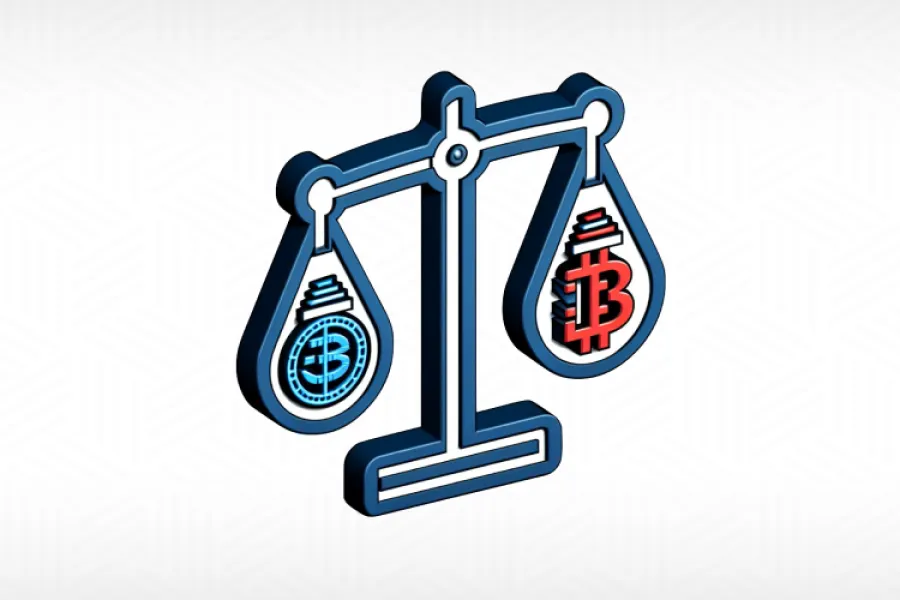
As the crypto market evolves, the ongoing discussion about whether to invest in newly launched or established cryptocurrencies persists. New cryptocurrencies have the potential for explosive growth, whereas established tokens offer stability and trust. This debate is at the forefront of many investment strategies, as new projects frequently emerge, promising innovative technologies and high returns.
According to Michael Graw from Techopedia, a new cryptocurrency popping up frequently is a trend that is met with doubt from investors. He says that despite the initial skepticism, recently launched crypto projects have the potential to grow and provide significant returns. Established coins like Bitcoin and Ethereum, on the other hand, provide a sense of security due to their proven track records and widespread adoption. Yet they may lack the growth potential of new cryptocurrencies. While some advocate for new cryptocurrencies, others swear by established tokens. This article weighs the pros and cons of both categories, equipping investors with the insights needed to make an informed decision.

New vs. Established Cryptocurrencies
The choice between investing in new or established crypto depends on your individual risk tolerance, investment goals, and desire for innovation versus stability:
Market Position and Perception
Established tokens like Bitcoin, Litecoin, and Ethereum are widely viewed as stable and secure investments due to their history and market dominance. With years of performance data and a substantial market cap, these assets have the confidence and trust of investors. The mainstream adoption of these tokens by institutional investors, payment platforms, and retail users contributes to the perception of reliability and trustworthiness.
New cryptocurrencies are often seen as high-risk, high-reward opportunities. While they may offer innovative solutions and rapid growth potential, their lack of a proven track record makes them speculative investments. An example of a new crypto project that is gaining traction is PlayDoge ($PLAY). This project has garnered significant attention since its presale launch, raising more than $3.7 million within a few months. This example illustrates how new cryptocurrencies can successfully transition from presale to having a market presence. It also highlights how drawn to the next big thing investors are.
Adoption and Trust
The widespread adoption of established crypt leads to greater liquidity and lower volatility. Bitcoin, for instance, is accepted by a growing number of merchants, including online casinos, e-commerce platforms, and real estate companies. This solidifies its status as a digital asset, which in turn means that trust in an established coin allows for smoother transactions and fewer price fluctuations.
In contrast, newer cryptocurrencies often struggle with adoption, since they are competing for attention in a crowded market. However, these tokens can attract early adopters, eager to capitalize on innovative ideas and technologies. These early supporters can help build momentum, but the challenge remains to achieve broader acceptance and trust among mainstream users.
Technological Innovation
Established cryptocurrencies may be slower to adopt new technologies due to their large user base and existing infrastructure. Changes to these systems require careful consideration to avoid disrupting the services that millions rely on. While they continue to innovate, the pace may not match that of newer projects.
New cryptocurrencies, on the other hand, often introduce cutting-edge features or improvements that appeal to investors interested in technological advancements. This technological innovation can include enhanced privacy features, faster transaction speeds, or unique consensus mechanisms. For investors seeking to stay at the forefront of blockchain technology, new cryptocurrencies present exciting opportunities, albeit with the understanding that they come with higher risks and uncertainties.

The Pros and Cons of New Cryptocurrencies
Pros
- Highest growth potential: Investing in new cryptocurrencies can offer exciting opportunities for rapid price growth. If a project gains popularity, early investors stand to gain significant returns, similar to the success stories of projects that have surged in value shortly after their launch.
- Innovative features and technologies: Many new cryptocurrencies introduce cutting-edge technologies and unique features to the table, setting them apart from established coins. These advancements attract investors looking for the next big cryptocurrency, whether it's faster transactions, enhanced privacy measures, or groundbreaking consensus methods.
- Community engagement opportunities: New crypto projects often foster strong communities of early supporters and enthusiasts who are deeply passionate about the technology and vision. This active community involvement can spur development efforts, boost visibility, and instill a sense of ownership among investors, all factors that could contribute to the project's overall success.
Cons
- Extreme volatility: The high volatility of newer cryptocurrencies can result in significant price fluctuations potentially causing financial losses for investors. While this volatility offers opportunities for gains it also comes with substantial risks making these investments unsuitable, for those seeking stable returns.
- Lack of historical data: New projects lack a proven track record unlike established cryptocurrencies making it difficult for investors to evaluate their long-term sustainability. The absence of historical data further adds to the uncertainty surrounding these investments.
- Higher risk of scams and fraud: There is a higher risk of encountering scams, poorly developed projects, and fraudulent activities. Investors need to be cautious and conduct research to avoid falling prey to potential crypto scams that take advantage of the hype surrounding new launches
- Regulatory uncertainty: In the crypto market, there is a higher risk of encountering scams, poorly developed projects, and fraudulent activities. Investors need to be cautious and conduct research to avoid falling prey to scams that take advantage of the hype surrounding new launches.
The Pros and Cons of Long-Established Cryptocurrencies
Pros
- Stability and trust: Established cryptocurrencies such as Bitcoin and Ethereum have a solid reputation and a track record that investors can trust. Their popularity and widespread recognition make them seem like safer investment options compared to newer alternatives.
- Higher liquidity: Established cryptocurrencies usually have higher trading volumes, making it much easier for investors to buy or sell without causing significant price fluctuations. This liquidity is beneficial for those who want to enter or exit the market quickly.
- Widespread Adoption: Popular cryptocurrencies are widely accepted across platforms and industries. This wide usage not only improves their usefulness for transactions but also strengthens their position in the market making them more resilient to market changes.
- Lower transaction fees: Transactions with established cryptocurrencies often come with lower fees than traditional banking systems. This is especially helpful for cross-border transactions, which can be expedited more affordably without costly intermediaries.
- Inflation protection: Many established cryptocurrencies, like Bitcoin are seen as a hedge against inflation because of their limited supply. Bitcoin has a supply of 21 million coins, which can help preserve its value over time as fiat currencies experience inflationary pressures.
Cons
- Limited growth potential: Established cryptocurrencies, though generally more stable, may have restricted growth potential compared to newer projects. Those looking for quick profits might not find these assets as attractive, since they have already reached a significant market cap.
- Market saturation: The cryptocurrency market can get crowded with established coins making it quite challenging for them to offer newer innovations or attract new market segments. This saturation can result in competition and a smaller market share.
- Regulatory scrutiny: Established cryptocurrencies often face increased regulatory scrutiny, leading to significant price fluctuations and uncertainties. Changes in regulations could affect their value and usability posing risks for investors.
Conclusion
When deciding between new or established cryptocurrencies, always consider your risk tolerance and investment goals. While established tokens have a proven track record, they do come with significant risks. New cryptocurrencies can provide high growth potential but are prone to shared risks and volatility. Instead, consider diversifying your portfolio to balance stability with the potential of high returns.
