
 BTC
BTC
 ETH
ETH
 LTC
LTC
 BCH
BCH
 DOGE
DOGE
 USDT
USDT
 DASH
DASH
 XRP
XRP
 USDC
USDC
 XMR
XMR
 BNB
BNB
 TRX
TRX
 SHIB
SHIB
 DAI
DAI
 ZEC
ZEC
 SOL
SOL
 ETC
ETC
 POL
POL
 XLM
XLM
 ADA
ADA
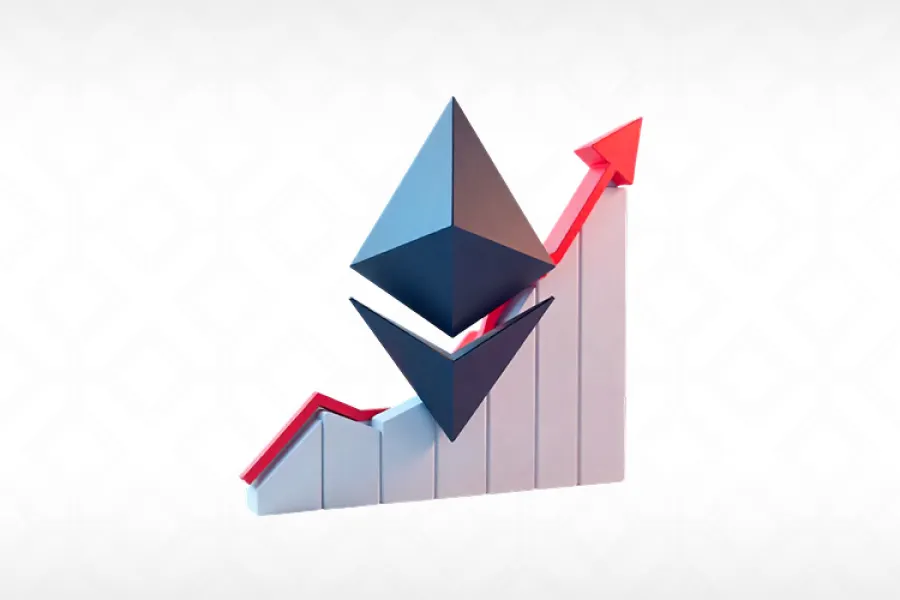
Ethereum is known for its capacity and penchant for innovation, and the ecosystem continues to change, as it has since its earliest days. The fact that it has shifted so much and pioneered the introduction of so many new developments to the crypto world, such as decentralized finance and applications or non-fungible tokens, is one of the reasons why it has remained set as the second most popular crypto coin in the world, second only to Bitcoin in terms of market capitalization.
Now, with 2025 almost over, investors have the power of hindsight and can discuss the intricacies of the market in greater detail.
The prices have fluctuated, but that isn’t a cause for concern in the crypto world, where volatility is the rule and the reason why many joined the market in the first place, since although the possibility for losses is high, that for gains is similarly elevated. Pairs such as ETH USDT are looked at for more comprehensive performance metrics as well, while the two major upgrades, Pectra and Fusaka, are still analyzed, and investors expect their results to continue to unfold in the upcoming months. It remains to be seen how much scalability and cost reductions will be achieved in Layer 2 networks.
Regulatory uncertainties remain an issue that will continue to affect the market in the upcoming year, especially when it comes to staking, but the considerable shifts in macroeconomics must be taken into account as well.
The transaction speed
Starting in January, Ethereum could see a significant increase in transaction speed as developers consider raising the gas limit to 80 million. The throughput on the network will be boosted again in the following months. The Ethereum Foundation said that two client-level optimization work is needed before further increases can take place, meaning that investors shouldn’t be so excited about the prospects in case they end up disappointed.
The partial blob responses on the execution layer and the max blobs flags on the consensus layer are the ones that are considered in this equation. Raising the gas limits will boost the number of transactions and smart contract operations that are able to fit in each block as well, meaning that output increases while the fees decrease. This doesn’t mean that the speed or low costs will be the same as those of layer 1, but the appeal and reputation of Ethereum as a secure asset and its potential for safe settlements will become clearer and even more tangible without decentralization (the core feature of any blockchain) being compromised and minimized.
The integration of such a feature might end up being the greatest advantage Ethereum has over its competitors in the upcoming years, as the marketplace continues to evolve.
Trustlessness
Ethereum co-founder Vitalik Buterin has had a lot to say about the future of the crypto ecosystem over the years. He has also provided insights into what comes next for ETH, what some of the challenges that the ecosystem still has to deal with are, and what strategies it plans to utilize in order to keep up with the competition, which is expanding and becoming fiercer every year as well. Recently, he has also explained how Ethereum must increase the number of people who understand the entire blockchain and can make the protocol simpler and more accessible.
According to him, if the users understand the features in their entirety, true trustlessness can be achieved. This goal has remained elusive throughout the blockchain world, so reaching it would definitely be noteworthy as well as lay a path for a new chapter in the environment’s evolution. The concept of trustlessness refers to the ability to operate in a fully decentralized system that doesn’t need the participants to rely on each other or a third party in order to conduct their transactions. Security and validation features take care of those aspects instead, with cryptographic algorithms and distributed nodes being the way in which they’re achieved.
Ethereum is already trustless to a certain degree since the smart contracts and transactions alike are enforced through open-source codes and as a result of a decentralized network of validators. However, Vitalik Buterin believes that the ecosystem still has room for improvement when it comes to the understanding of its ecosystem. The solution would be to simplify the protocol, but some have questioned whether that is realistic. Buterin hasn’t denied that the endeavor would be challenging, but said that having fewer features should be expected sometimes.
Better user experience
Making sure protocols are easy to understand involves dealing with jargon that is incredibly dense with tech-related terms, something analysts say can feel like a full-time job in some cases. Mixing this with a better user experience overall can sound close to impossible, but it’s not as impossible to achieve as it might seem at first glance. The only thing to remember is that change will probably not be immediate, something that can be difficult to accept in the fast-paced crypto world.
The roadmap acknowledges that Ethereum is certainly too complex to be used in this manner by the average trader, but the barriers will be lowered in the upcoming years, with the goal being to have Ethereum feel exactly like a Web2 app. Some of the flagged upgrades aim to improve the user experience in order to include smart contract wallets so that the most complex blockchain details are more streamlined. Key management areas and issues with gas fees will also be dealt with in order to make the running of nodes more accessible on devices of all kinds, regardless of what you use to trade.
The Ethereum Foundation is known for the funding it provides to numerous educational courses and programs that can help people learn more about the development of the blockchain as well as the ways in which both it and related technologies operate.
While Ethereum has definitely had an eventful 2025, investors shouldn’t expect things to slow down in 2026. In fact, more developments and innovations are on the way and will continue to change the marketplace and bring it to new heights.
