
 BTC
BTC
 ETH
ETH
 LTC
LTC
 BCH
BCH
 DOGE
DOGE
 USDT
USDT
 DASH
DASH
 XRP
XRP
 USDC
USDC
 XMR
XMR
 TRX
TRX
 BNB
BNB
 SHIB
SHIB
 DAI
DAI
 ZEC
ZEC
 SOL
SOL
 ETC
ETC
 POL
POL
 XLM
XLM
 ADA
ADA

For businesses looking to accept virtual assets, integrating a reliable solution is paramount to ensure seamless processing in 2025. Adopting advanced protocols can enhance user experience and build trust among customers. Consider using APIs from established platforms that specialize in facilitating transfers with minimal latency.
Prioritize security features such as multi-signature wallets and encryption mechanisms to safeguard assets and sensitive information. A robust integration should also support various asset types to accommodate diverse consumer preferences. Monitoring tools will be critical for real-time analytics and to adjust strategies based on transaction patterns.
Additionally, clarity in transaction fees is essential. Transparent structures not only foster user trust but also aid in financial forecasting. Exploring partnerships with fintech innovators can provide access to cutting-edge technologies, enhancing the overall payment experience. Thus, implementing a state-of-the-art infrastructure is key for businesses aiming to thrive in the competitive landscape of virtual finance.
How to Integrate Ethereum Payment Gateway into Your E-commerce Platform
First, select a reliable cryptocurrency gateway that specializes in handling digital currency payments. Look for features like automatic transaction confirmations, user-friendly interfaces, and strong security protocols. Popular options include Coinbase Commerce and BitPay. Evaluate transaction fees and supported currencies before making a decision.
Next, register for an account with your chosen provider. During this process, you will need to verify your identity and link your business bank account to facilitate withdrawals. Make sure to follow the necessary compliance procedures.
Once your account is set up, gather the API keys provided by the service. These keys will allow you to connect your existing platform with the payments handler. Most platforms, such as WooCommerce or Shopify, provide plugins or extensions that can simplify this integration. Install the appropriate plugin to enhance compatibility.
Then, configure the settings in your e-commerce dashboard. Enter your API credentials, and choose the preferred options for accepting coins. Ensure that your website can provide real-time payment tracking and notifications to customers to improve their experience.
Test the integration thoroughly. Conduct a series of transactions using test keys to confirm that everything functions smoothly. Check for proper updates on order status and payment confirmations. This step is crucial for identifying any issues before going live.
After successful testing, promote the option to your customers. Display buttons or banners to highlight that they can make purchases using digital assets. Provide guidelines on how to make payments securely, which can enhance user confidence.
Finally, monitor transaction performance once live. Use analytics tools to track payment metrics like conversion rates and transaction times. Regularly review feedback from customers to identify areas for improvement, ensuring a seamless experience.
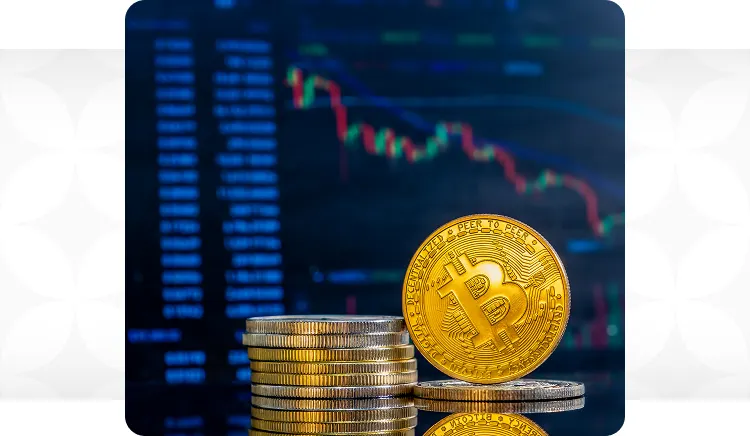
Understanding Transaction Fees and Process Times for Ethereum Payments
For 2025, monitor gas fees closely, as they directly affect the costs of sending or receiving funds. Average fees can fluctuate significantly based on network demand; during peak hours, expect higher charges. Utilize gas trackers to predict and time your operations, aiming for low-fee windows. Choosing a reliable ethereum payment gateway can also help optimize transaction efficiency and manage fee-related challenges more effectively.
The process time varies considerably from a few seconds to several minutes, depending on network congestion and the gas price set. By choosing a higher gas price, you can prioritize your transaction, allowing it to be processed faster. Conversely, opting for a lower fee may delay the operation during busy periods.
In 2025, the introduction of Layer 2 solutions has the potential to lower fees and enhance processing speeds, enabling more cost-effective and quicker payments. Consider integrating such options into your strategy, as they can significantly influence your overall user experience.
Keep informed about any changes in the protocol or network upgrades that might impact these fees and times. Staying updated allows for better planning and execution of financial agreements.
Security Measures for Protecting Ethereum Transactions in Payment Gateways
Implement multi-signature wallets to enhance security. This approach requires multiple private keys to authorize a transfer, significantly reducing the risk of unauthorized access.
Regular Security Audits
Conduct regular security assessments of your system. Engage third-party security firms to identify vulnerabilities and recommend improvements, ensuring robust defenses against potential threats.
Cold Storage Solutions
Utilize cold storage for holding substantial amounts of assets. Isolate these funds from the internet to protect against hacking incidents. Deploy hot wallets only for day-to-day operations to minimize exposure.
Incorporate two-factor authentication (2FA) for all accounts involved in asset management. This adds an additional layer of protection, requiring users to verify their identity through a secondary device or method.
Implement anti-phishing measures. Provide user education on recognizing phishing attempts and invest in software that filters out suspicious communications to safeguard sensitive information.
Utilize secure coding practices during development. Adhere to industry standards such as OWASP Top Ten to mitigate common vulnerabilities that could be exploited by attackers.
Establish clear withdrawal procedures. Require multiple approvals for large withdrawals and maintain a whitelist of addresses to prevent unauthorized transfers.
Keep software up to date. Regularly apply patches and updates to systems and libraries to close vulnerabilities that could be exploited.
Monitor transaction patterns using automated systems. Set thresholds for alerts when unusual activities occur, allowing for rapid response to potential security breaches.
In 2025, adopting these measures can significantly enhance the security of transactions processed through your platform, creating a safer environment for users and minimizing potential losses.
