
 BTC
BTC
 ETH
ETH
 LTC
LTC
 BCH
BCH
 DOGE
DOGE
 USDT
USDT
 DASH
DASH
 XRP
XRP
 USDC
USDC
 XMR
XMR
 BNB
BNB
 TRX
TRX
 SHIB
SHIB
 DAI
DAI
 ZEC
ZEC
 SOL
SOL
 ETC
ETC
 POL
POL
 XLM
XLM
 ADA
ADA

The cannabis industry has experienced tremendous growth over the past decade, evolving from a largely illicit market into a mainstream, regulated sector with immense potential. As this industry continues to expand, innovative financial instruments and investment strategies are emerging to capitalize on its growth. One such innovation is the tokenization of cannabis assets. This transformative approach is reshaping the way investors can participate in the cannabis market, offering numerous benefits and opportunities. In this article, we explore the concept of tokenizing cannabis assets and how it represents the future of investment.
Understanding Tokenization
Tokenization refers to the process of converting physical or digital assets into digital tokens on a blockchain. Each token represents a share or fraction of the underlying asset. Blockchain technology ensures the security, transparency, and immutability of these tokens, making them a reliable means of representing ownership and value.
How Tokenization Works
In the context of cannabis assets, tokenization involves creating digital tokens that represent ownership stakes in various assets within the cannabis industry. These assets can include equity in cannabis companies, real estate holdings, intellectual property, and even cannabis crops. Once tokenized, these assets can be bought, sold, and traded on blockchain-based platforms, providing investors with unprecedented access and liquidity.
Advantages of Tokenizing Cannabis Assets
Increased Liquidity
One of the most significant benefits of tokenizing cannabis assets is increased liquidity. Traditional investments in cannabis often involve illiquid assets, such as private equity or real estate, which can be challenging to buy or sell quickly. Tokenization enables fractional ownership, allowing investors to trade smaller portions of the asset, thereby enhancing liquidity and making it easier to enter or exit positions.
Accessibility for a Broader Audience
Tokenization democratizes investment opportunities by making cannabis assets accessible to a broader audience. Traditionally, investing in cannabis required substantial capital and was often limited to accredited investors or institutions. With tokenization, individuals can invest in fractional shares, lowering the barrier to entry and enabling more people to participate in the market.
Enhanced Transparency and Security
Blockchain technology underpins the tokenization process, ensuring enhanced transparency and security. Every transaction is recorded on a decentralized ledger, providing a verifiable and immutable record of ownership. This transparency reduces the risk of fraud and enhances investor confidence, making tokenized assets a more secure investment option.
Efficient and Cost-Effective Transactions
Tokenization streamlines the process of buying, selling, and trading cannabis assets, reducing the need for intermediaries and associated costs. Transactions can be executed quickly and efficiently on blockchain platforms, eliminating the delays and fees typically associated with traditional financial markets.
Tokenizing Different Cannabis Seeds Assets
Cannabis Seeds
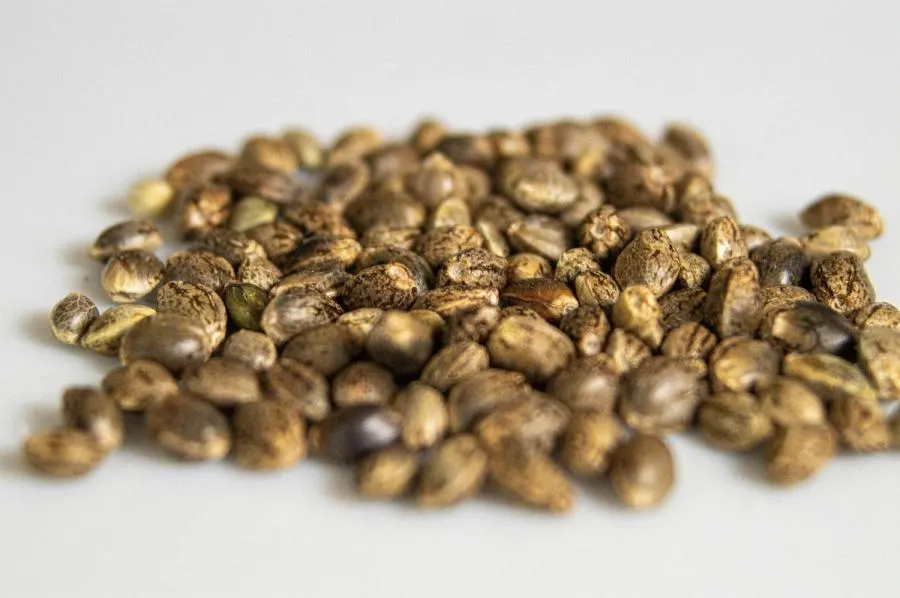
Another promising area for tokenization is cannabis seeds. These are the starting points for all cannabis cultivation and hold significant value. By tokenizing cannabis seeds, producers can offer investors a stake in the early stages of production. This approach allows investors to benefit from the entire lifecycle of cannabis growth, from seed to harvest. Tokenized seeds can be traded on blockchain platforms, providing a unique investment opportunity and helping to fund the initial stages of cultivation. For more information on cannabis seeds, you can visit https://fastbuds.com/us/.
Equity in Cannabis Companies
One of the most popular applications of tokenization in the cannabis industry is the tokenization of equity. Cannabis companies can issue digital tokens representing shares of their business, allowing investors to buy and trade these tokens on blockchain exchanges. This approach provides companies with an innovative way to raise capital while offering investors liquidity and flexibility.
Real Estate and Facilities
Cannabis cultivation and production facilities require significant real estate investments. Tokenizing these assets allows investors to own fractional shares of properties, such as greenhouses or processing plants. This approach not only provides liquidity but also enables smaller investors to participate in large-scale real estate ventures that were previously inaccessible.
Intellectual Property and Licensing
The cannabis industry is ripe with intellectual property, including patents, trademarks, and proprietary technologies. Tokenizing these intangible assets allows investors to own a stake in valuable IP portfolios. This can be particularly appealing in a rapidly evolving industry where technological advancements and innovation play a crucial role.
Cannabis Crops and Inventory
Innovative approaches to tokenization also extend to cannabis crops and inventory. By tokenizing a crop, producers can sell future yields to investors, providing them with a stake in the harvest. This method offers farmers a way to secure funding upfront while giving investors exposure to the actual production process and potential returns from the sale of the final product.
Last Note
Tokenizing cannabis assets represents a significant leap forward in the evolution of investment strategies within the cannabis industry. By leveraging blockchain technology, tokenization enhances liquidity, accessibility, transparency, and security, offering investors a more efficient and diversified way to participate in this rapidly growing market. As regulatory frameworks evolve and blockchain adoption continues to rise, the future of cannabis investment looks bright, with tokenization leading the way toward a more inclusive and dynamic financial landscape.
